

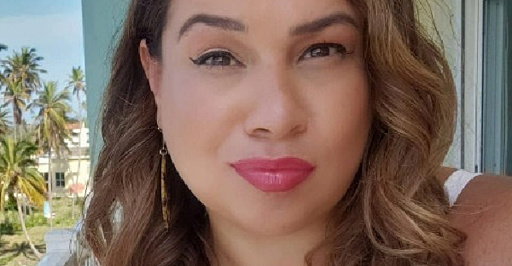
Janine Jackson interviewed Free Press’s Vanessa Maria Graber about the Delaney Hall protests for the June 12, 2026, episode of CounterSpin*. This is a lightly edited transcript.*
https://media.blubrry.com/counterspin/content.blubrry.com/counterspin/CounterSpin260612Graber.mp3
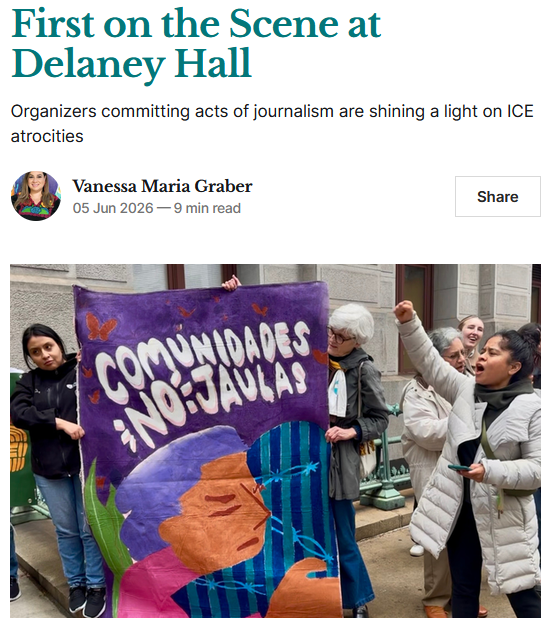
Free Press (6/5/26)
Janine Jackson: Many ideas are being tested right now in the US; what the First Amendment actually means and does is one of them.
There is a horror show happening at—but not only at—Delaney Hall, a prison labeled “detention center” in New Jersey, where, as CounterSpin listeners likely know, hundreds of people have been on hunger strike to protest the conditions they’re subjected to, as they presumably await adjudication, and where reporters and protesters seeking to shed light on the situation have been met, not with legal arguments or explanation, but with pepper spray and rubber bullets.
The story isn’t about the failure of journalism itself; it’s more about the actual nature and meaning of the job, and why it needed a constitutional amendment to protect it.
Vanessa Maria Graber is the senior director of journalism and media education at the group Free Press. She joins us now by phone from Philadelphia. Welcome to CounterSpin, Vanessa Maria Graber.
Vanessa Maria Graber: Thank you so much for having me here.
JJ: I really just wanted to ask you to tell us about what you’ve been seeing at Delaney Hall that’s important about reporting and organizing, and that relationship. What can we be taking away from this absolute nightmare about the role of frontline journalism?

Free Press (1/26/26)
VMG: So at Free Press, because we care very much about defending First Amendment rights, and press freedom of journalists, we’ve had our eye on places like Delaney Hall, and Minneapolis, Chicago, Los Angeles, and many of the protests that are happening outside detention centers across the US. And, unfortunately, we’ve had to pay close attention, because many journalists and protesters’ First Amendment rights are being violated.
Protesters have a right to assemble in public places—peacefully, nonviolently, which they have been doing—and they have been met with violence, and not allowed to protest. Their right to draw attention to some of the abuses that are happening in these detention centers has been violated.
The press also has a right to cover these issues, to cover these stories, to find out where detainees are being taken, and what’s happening inside the center. And they’ve also been met with violence and arrest.
And so we’ve been incredibly concerned about what has been happening at Delaney Hall in Newark, New Jersey. We have been working in New Jersey for more than 10 years, trying to get more access to the media, but especially for communities that don’t have a lot of access to information, like immigrant communities and Spanish-speaking communities.
And so what we’ve been seeing in the course of more than a year is immigrant journalists really be on the front lines of the story, not just reporting on these protests, but really trying to amplify the larger story of the human rights abuses happening inside Delaney Hall. So drawing attention to the medical neglect; for detainees being forced to work for a dollar a day; being inside there under overcrowded, unsanitary conditions; being forced to eat rotten food.
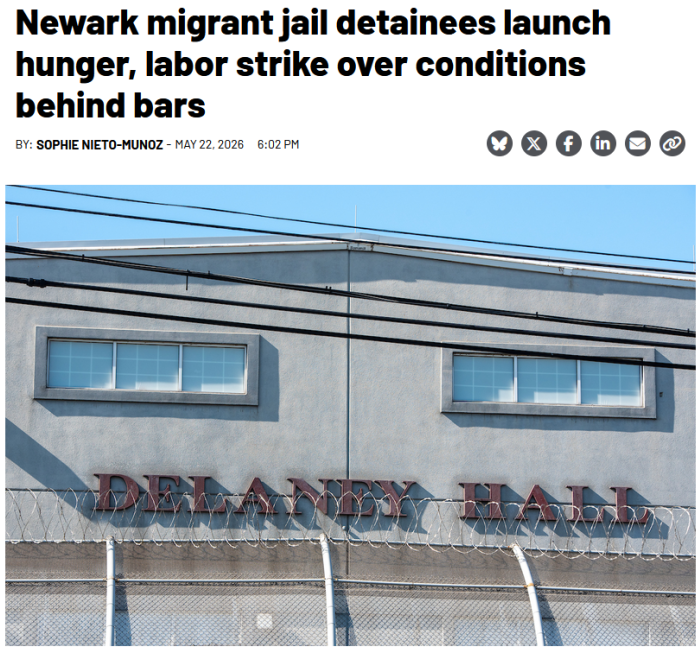
New Jersey Monitor (5/22/26)
They have been being arrested, they’ve been put under curfew, they’ve been put in a “protest zone,” in a public area where they’re allowed to protest, and journalists who have been clearly identified, some of whom are with major media networks, not that should make any difference, but they’ve also been brutally attacked by the New Jersey State Police and by ICE agents, and some of them were detained under the same brutal conditions that many immigrants are facing.
And so once they got detained, that’s finally when they were able to get access, and see what it’s like for the many immigrant families that are inside detention centers like that. And so it is incredibly concerning to see those protesters, legal observers and journalists be hit with rubber bullets, tear gas, smoke grenades, pepper-sprayed. And some of the pictures and video and reports that we’re seeing are very, very alarming.
JJ: It’s beyond alarming. And then I guess, you know, some of the reporters who are trying to shed light there are from major media organizations, but I would say, this is a four-alarm fire that you would hope that any media organization would be talking about, would be screaming about, would be fighting for things to change.
What we’re seeing, instead—and this is part of the story—is folks who are saying, “Well, I didn’t think I was a journalist, but it turns out I am, because I’m trying to shed light on this. ” And so we’re kind of seeing a defining of what it means to commit acts of journalism, and it turns out it doesn’t mean that you have to come from a well-funded legacy organization. You just have to have a particular kind of job in mind.
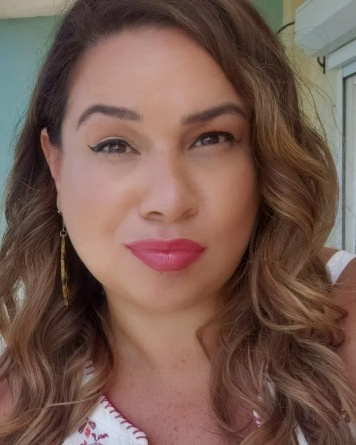
Vanessa Maria Graber: “To provide the critical information that’s necessary to keep people safe, organizers and citizen journalists have assumed the role of journalists.”
VMG: Yeah. What people need to understand, especially in immigrant communities, Spanish-speaking communities, is that these corporate media outlets do not serve them. Their messages do not reach these communities.
And so in order to fill the gaps, in order to provide the critical information that’s necessary to keep people safe, organizers and citizen journalists have assumed the role of journalists, to be able to bring that information to these communities that are not being served.
And so that’s why you see so many people affiliated with organizing groups or immigrants rights organizations be doing these livestreams, and using social media and using apps like WhatsApp, in order to tell people what’s happening, and to be able to try to bring news about family members that are inside that detention center.
And, really, they’ve been raising the alarm about these conditions way before corporate media got a hold of the story. Violence had to break out at Delaney Hall before that story rose to the national level. But for many, many months before that, this was a crisis point among immigrants across New Jersey, who not only were trying to advocate on behalf of the families, by raising awareness about this, but also trying to provide information to keep people out of there, as the ICE raids continue across states like New Jersey.
These folks are not just covering the protests outside there, but they’re also having to give people information about how to know their rights, how to exert their rights, how to stay safe in their communities and how to access legal resources. And that’s a job that mainstream corporate media have never done.
JJ: Let me ask you, finally, these folks need help. They need public support, they need more eyes, they need more people paying attention. How can people plug in to the work that’s happening? I know there’s a call from organizers to say, “Hey, help us do this work that we’re doing.” What can folks do?
VMG: I think the biggest thing they can do is repost, reshare some of these livestreams and photographs and videos that are being reported. I think it’s fine to repost “legitimate journalists,” although they’re under some real editorial constraints. So I think it’s even more important to amplify the truthtellers, many of whom are immigrants’ rights organizers and people from other social justice groups who are livestreaming daily.
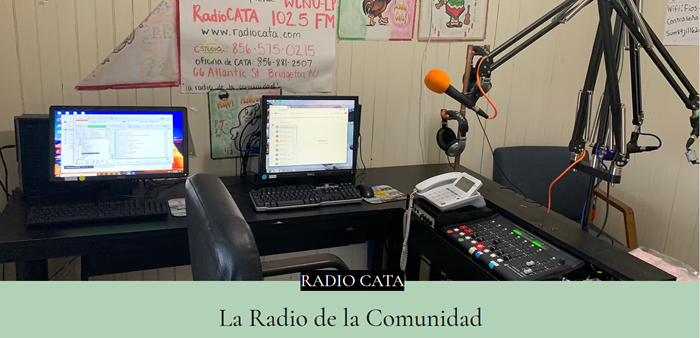
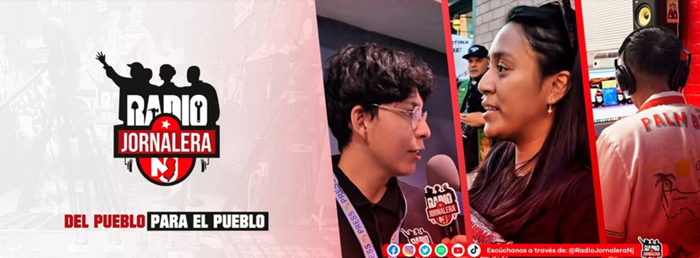
And there’s actually a network of immigrants rights groups working together to share livestreams in order to reach the most people. So groups like El Pueblo Unido de Atlantic City, CATA, Cosecha, Radio Jornalera, South Jersey Solidarity Collective—they’re all working really hard to let people know what’s going on, and urging people to contact the governor. Certainly, if you don’t have social media, and you’re listening to the radio right now, tune in to their radio station; CATA has a low-power FM station. And certainly you can volunteer, you can give money and you can make your voice heard through the legislators who are responsible with oversight for places like these.
JJ: We’ve been speaking with Vanessa Maria Graber. You can find her piece, “First on the Scene at Delaney Hall,” at PressingIssues.org. Vanessa Maria Graber, thank you so much for joining us this week on CounterSpin.
VMG: It’s been a pleasure. Thanks, Janine.
From FAIR via This RSS Feed.