

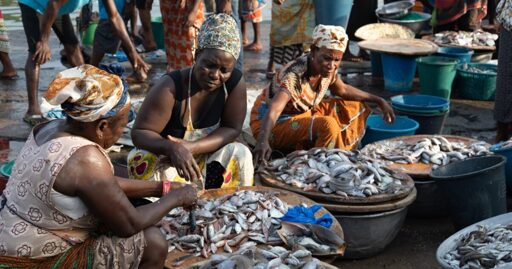
Speaking at a gathering of ocean conservation groups and development practitioners in Watamu, Kenya, Lovin Kobusingye had a simple message: The women who catch, process and sell fish are still largely missing from conversations about Africa’s growing blue economy. For Kobusingye, the challenges facing women in fisheries are part of her everyday life. “My reality every day is that I wake up to an industrial person taking over my landing place, taking over my fishing zone,” she told the audience, describing how tourism developments and other coastal investments increasingly compete with traditional fishing communities for access to the sea. Kobusingye said many women face dangers in the fisheries sector, poor working conditions and growing pressure from developments that compete for access to the coast. In some communities, traditional rights are overlooked by the government; while rising seas, erosion and declining fish catches are making an already difficult livelihood even harder, she told the attendees of the meeting organized by the Ocean Resilience Climate Alliance (ORCA). Despite these challenges, Kobusingye said women remain central to sustaining fisheries and coastal economies. They process fish, trade seafood and support households, including paying school fees, from the income they earn. Yet despite their role in the sector, many women still have little say in how fisheries are managed. Lovin Kobusingye is also the founder and CEO of Kati Farms Ltd, an agro-processing firm. Image courtesy of Kati Farms Ltd. “If you are invisible, you receive invisible budgets. If you are invisible, you receive invisible…This article was originally published on Mongabay
From Conservation news via This RSS Feed.