

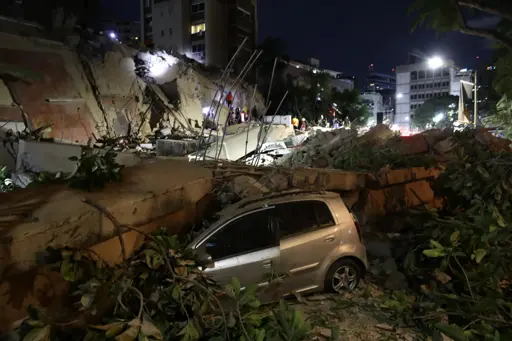
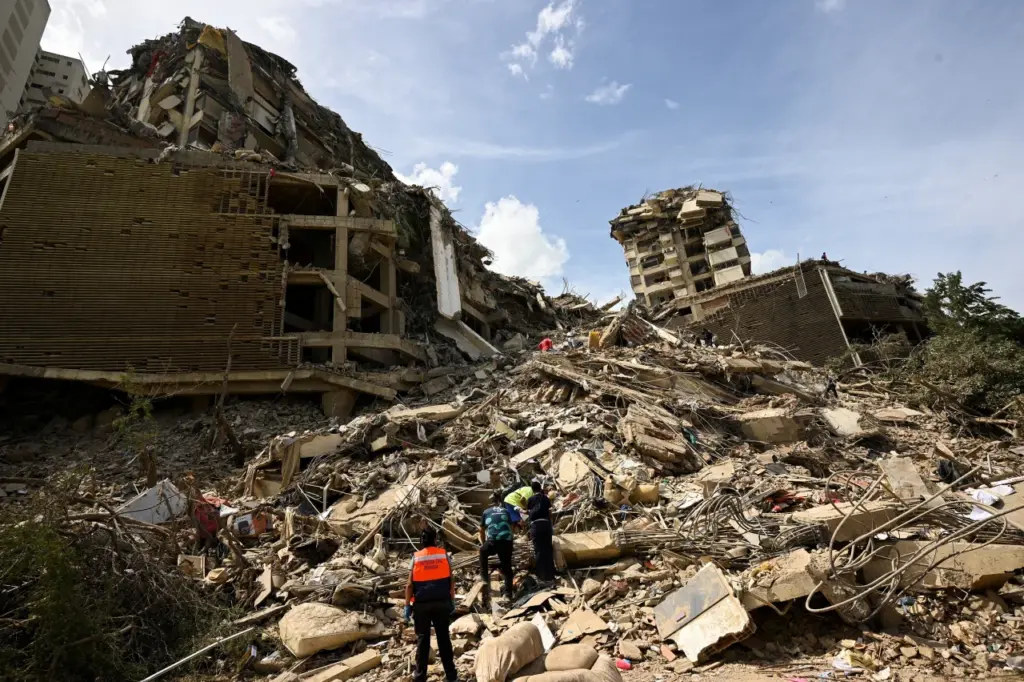
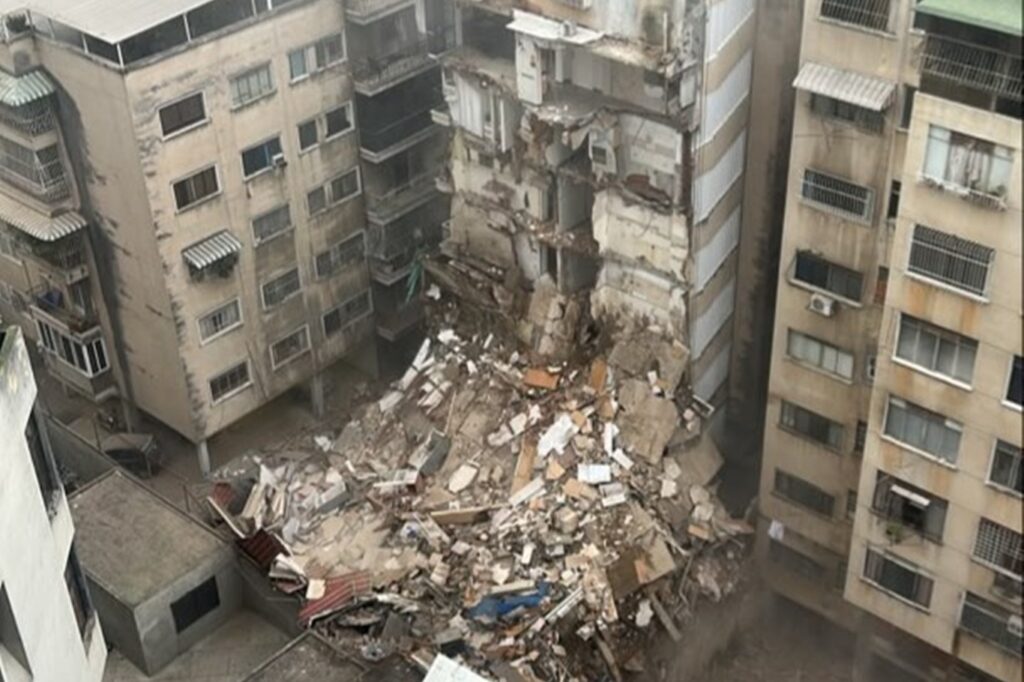
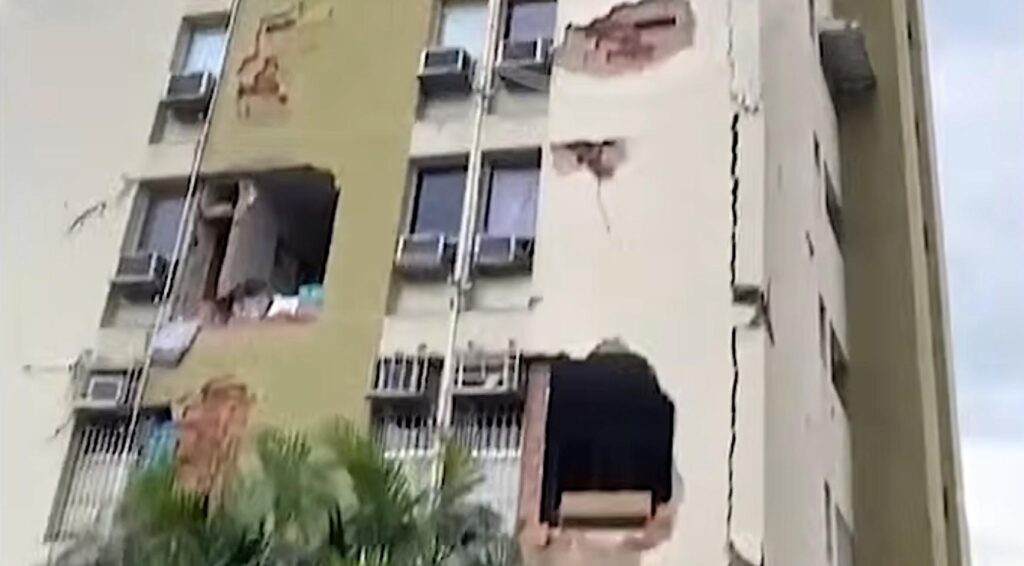
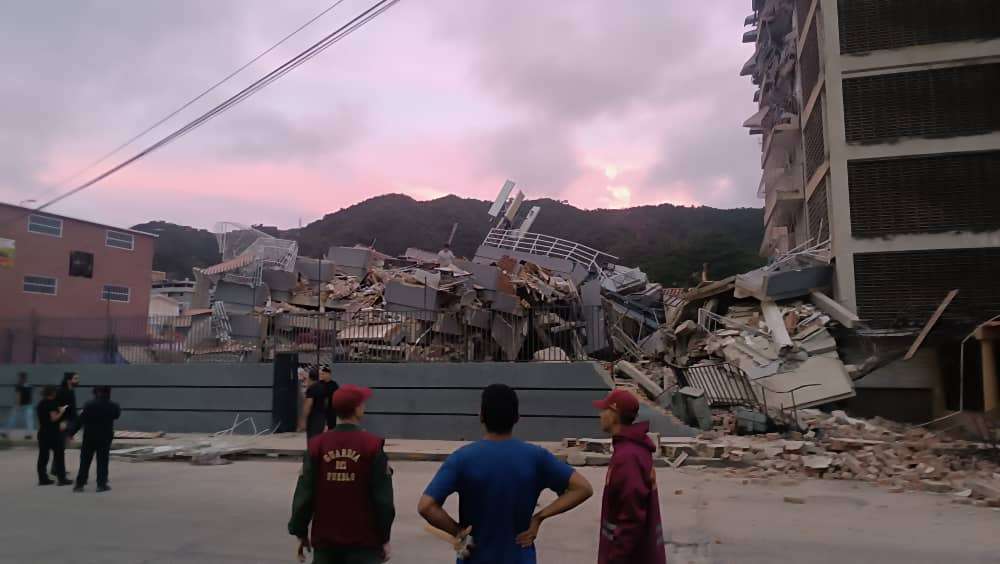
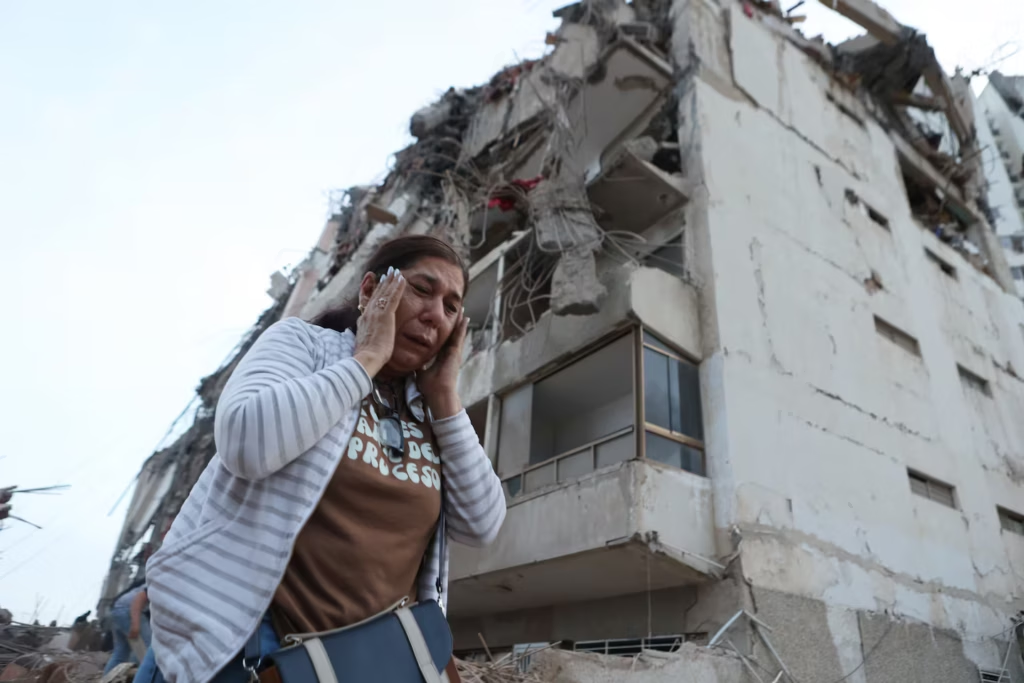
Caracas (OrinocoTribune.com)—At least 188 people have been confirmed dead and more than 1,520 injured following a devastating double earthquake that struck north-central Venezuela on Wednesday afternoon. National Assembly President Jorge Rodríguez provided the updated casualty figures on Thursday at 1:20 p.m., noting that the number of missing persons has reached 157.
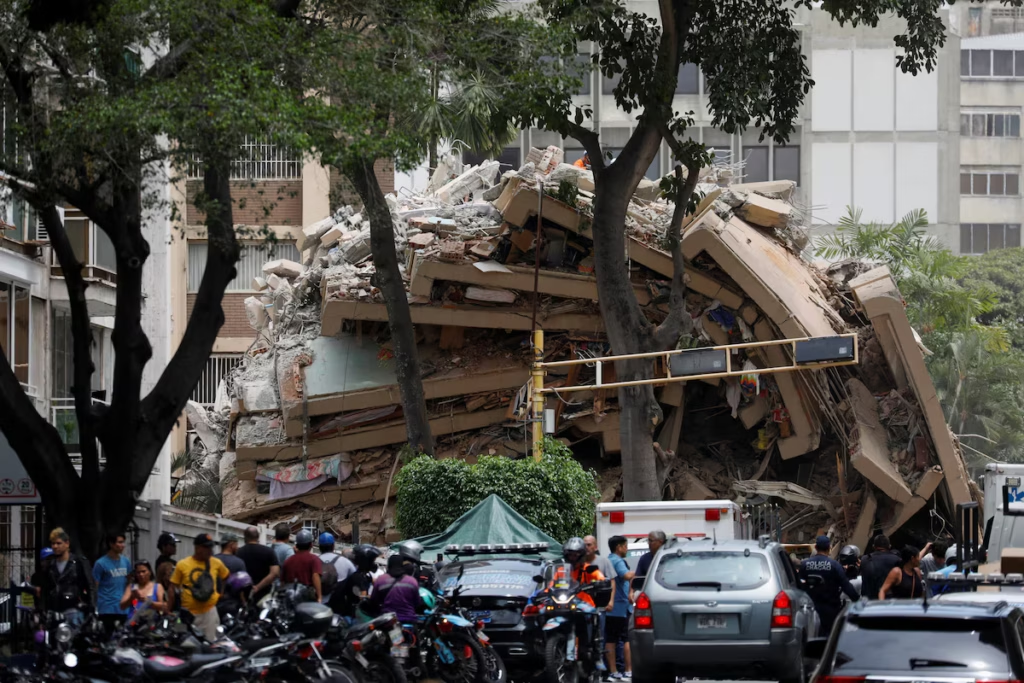
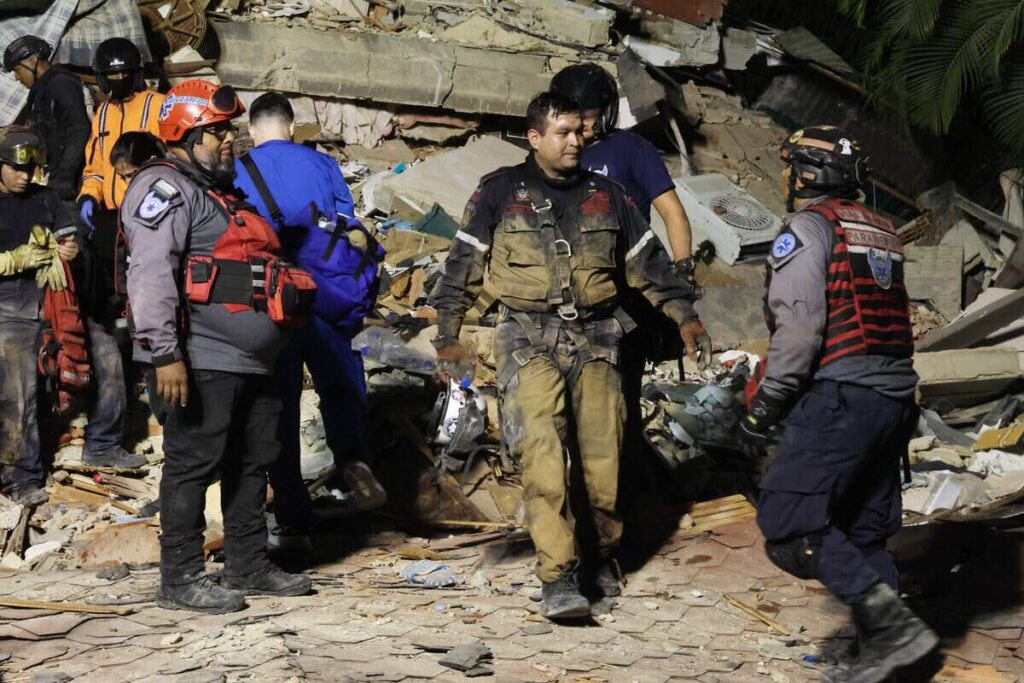
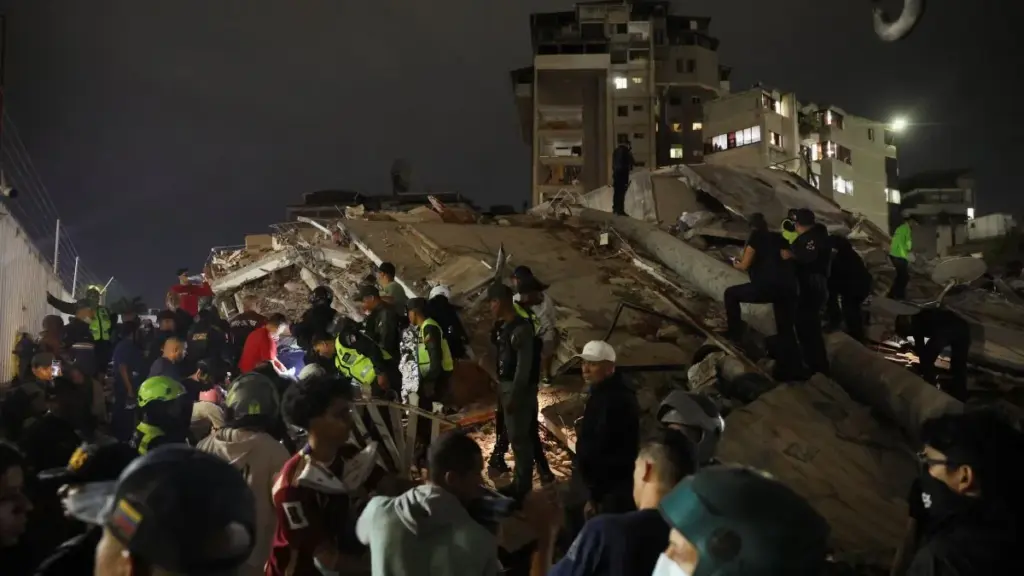
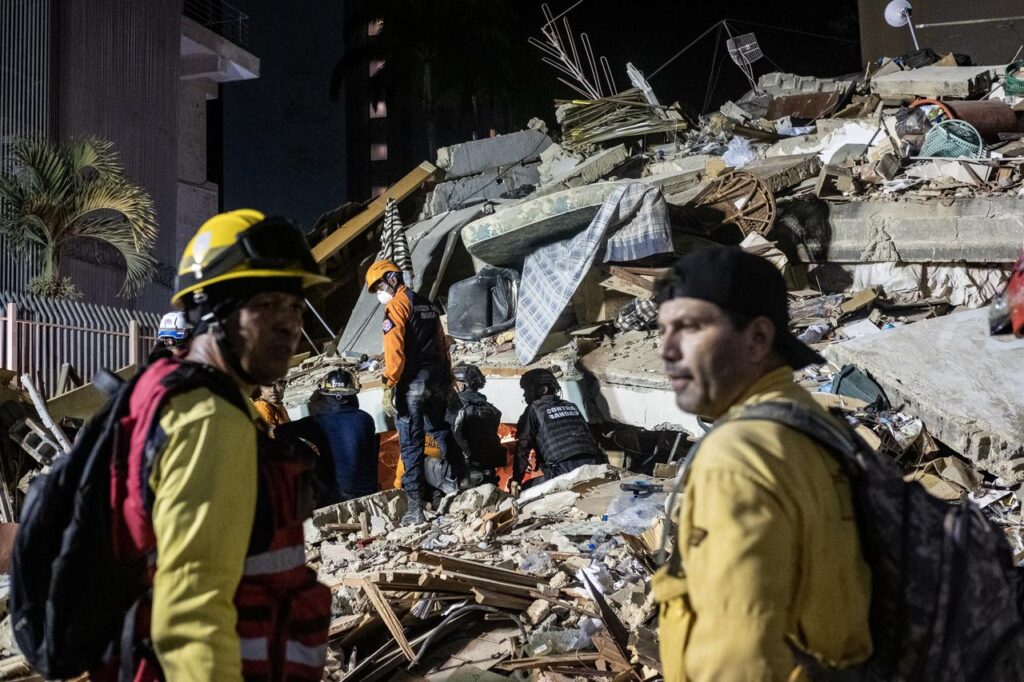
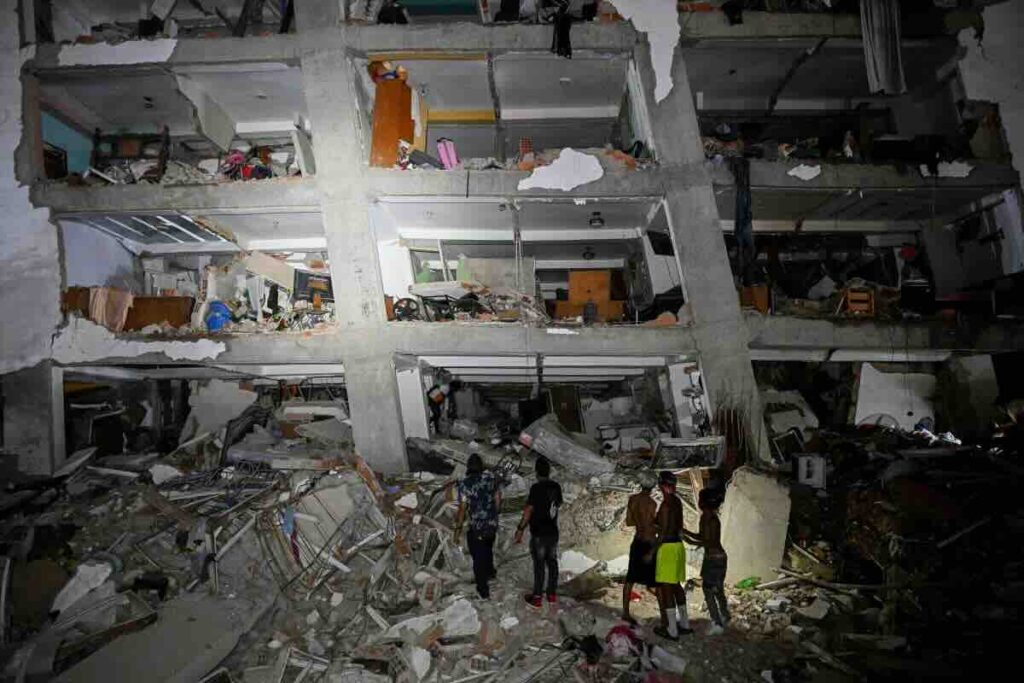
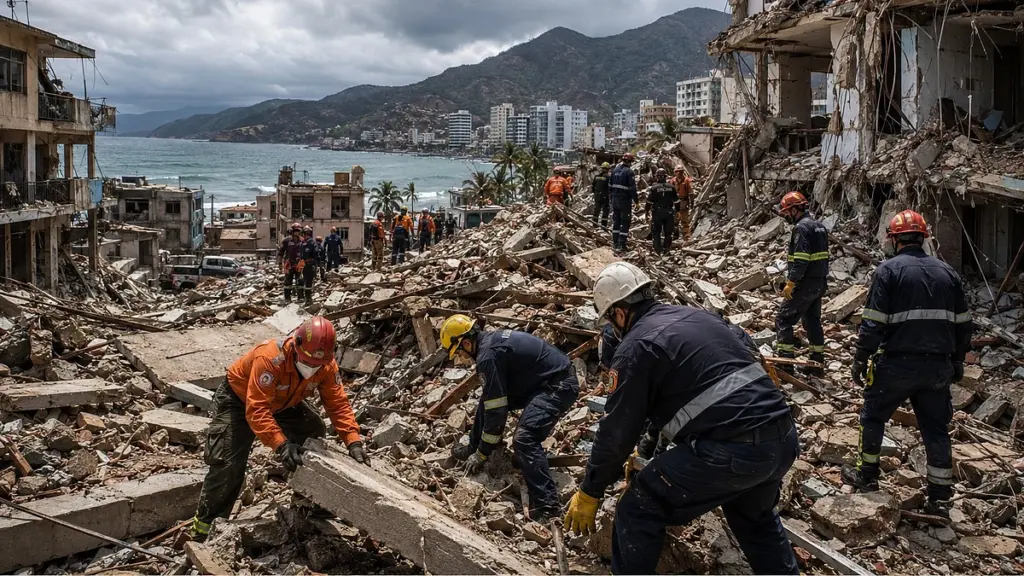
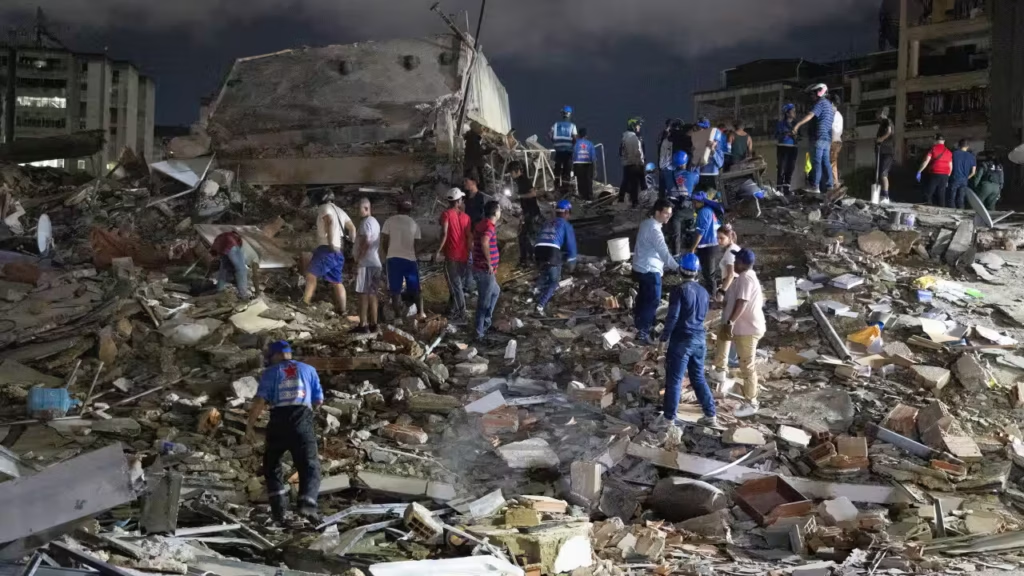
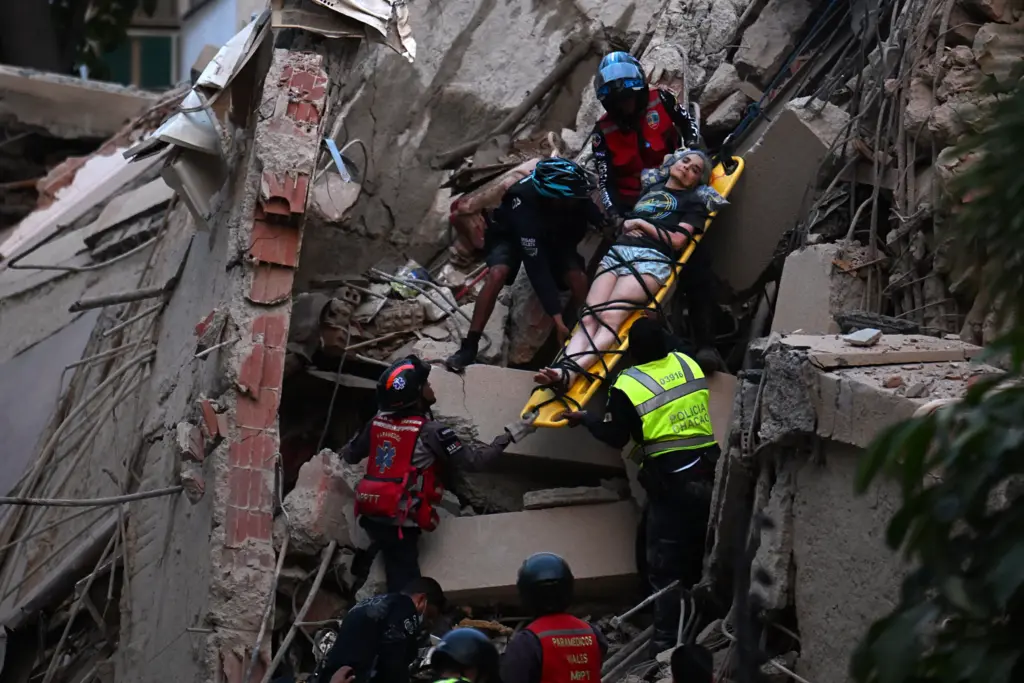
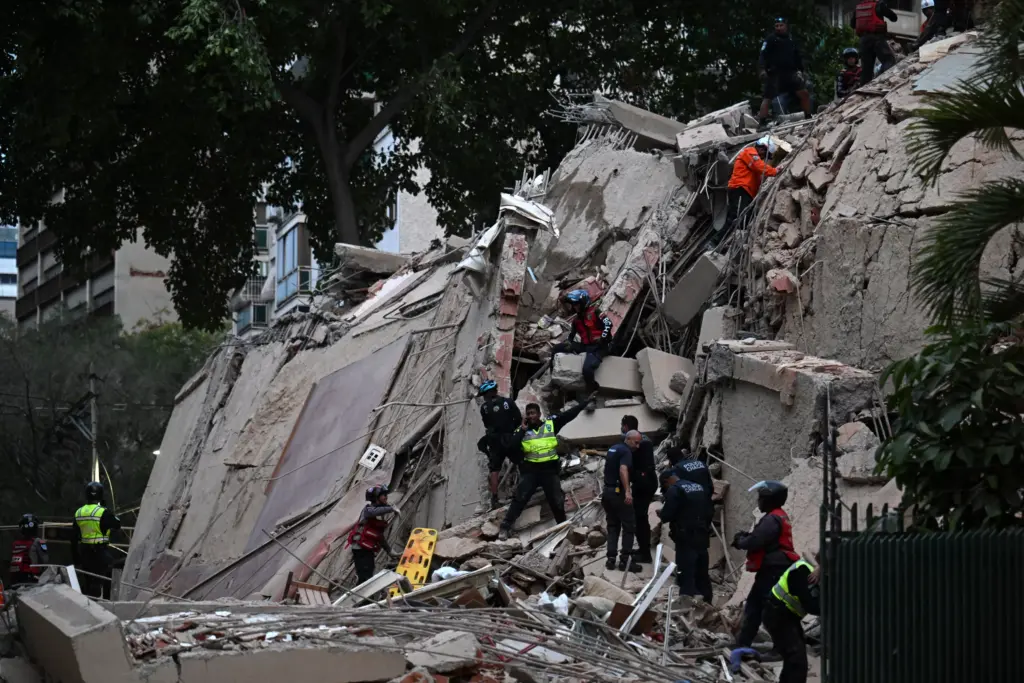
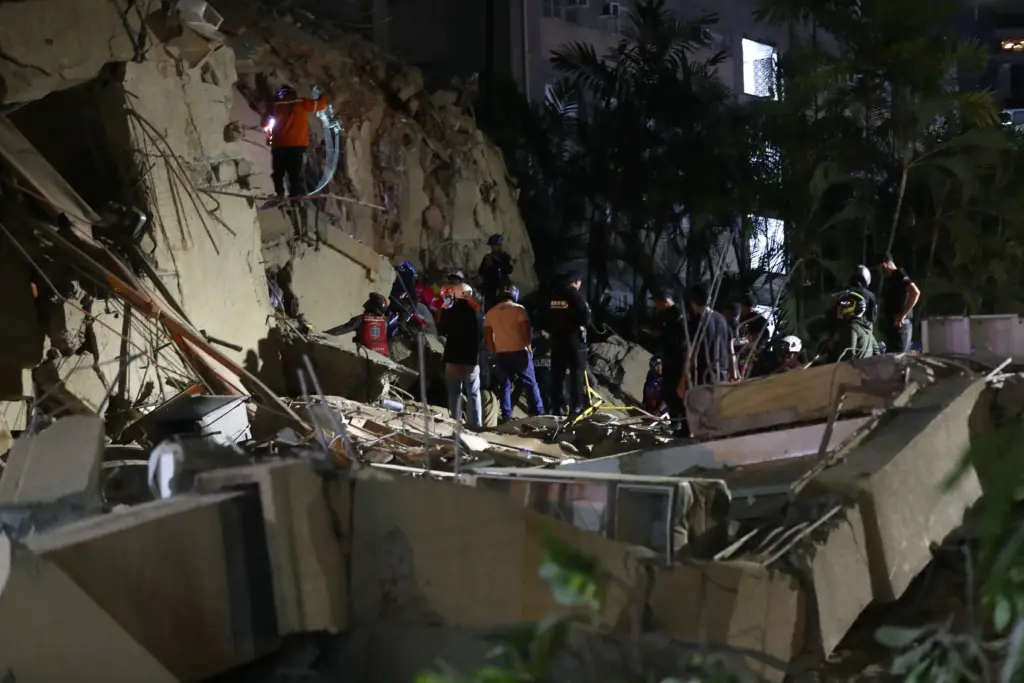
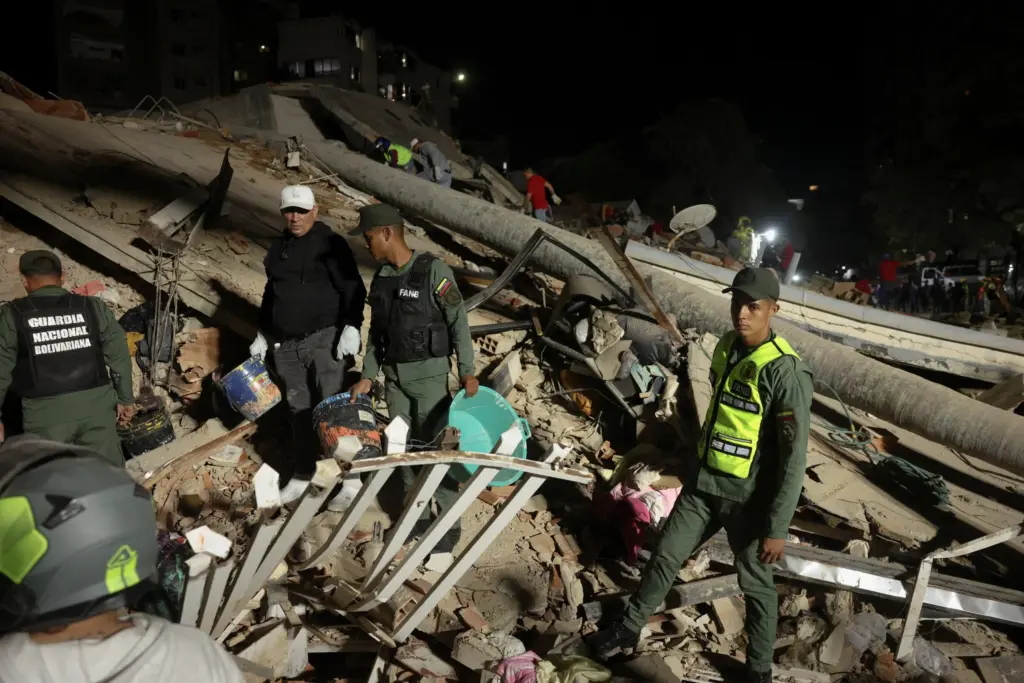
Rodríguez informed that emergency response teams are working around the clock in a desperate race against time to rescue more than 200 people identified as trapped under the rubble of collapsed buildings.
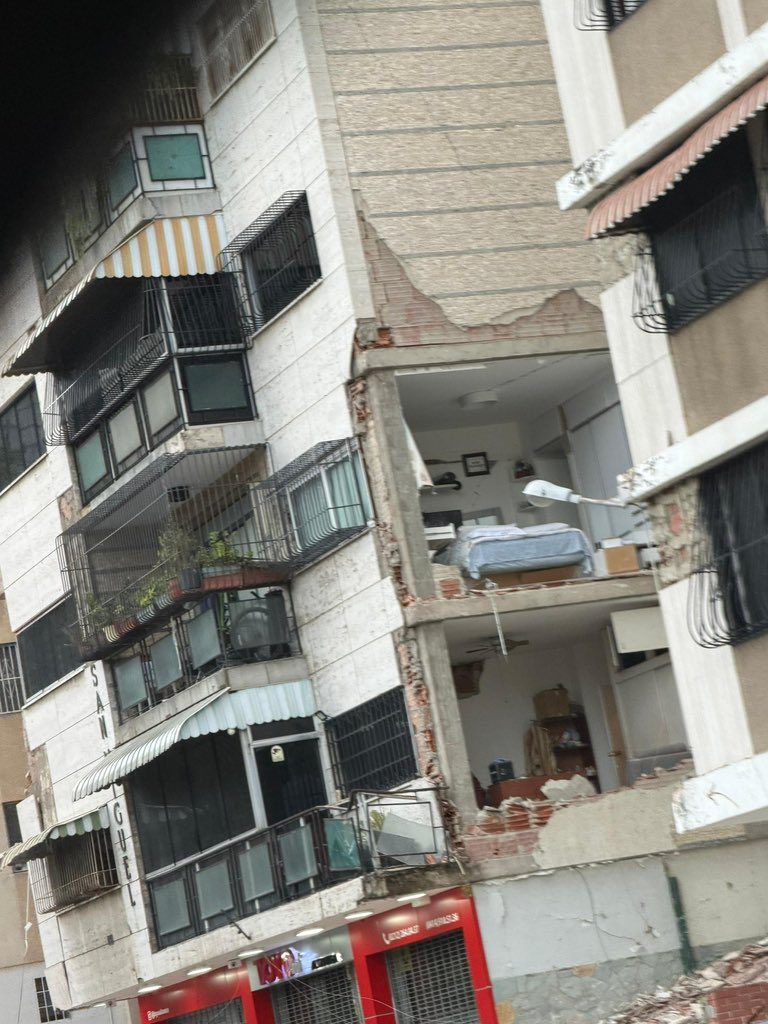
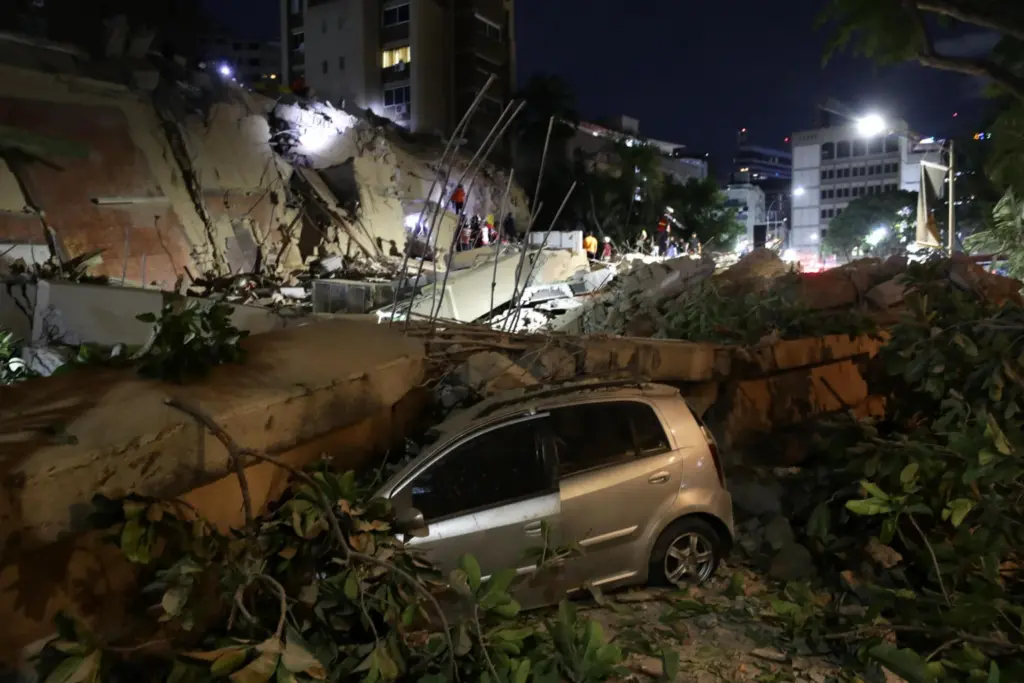
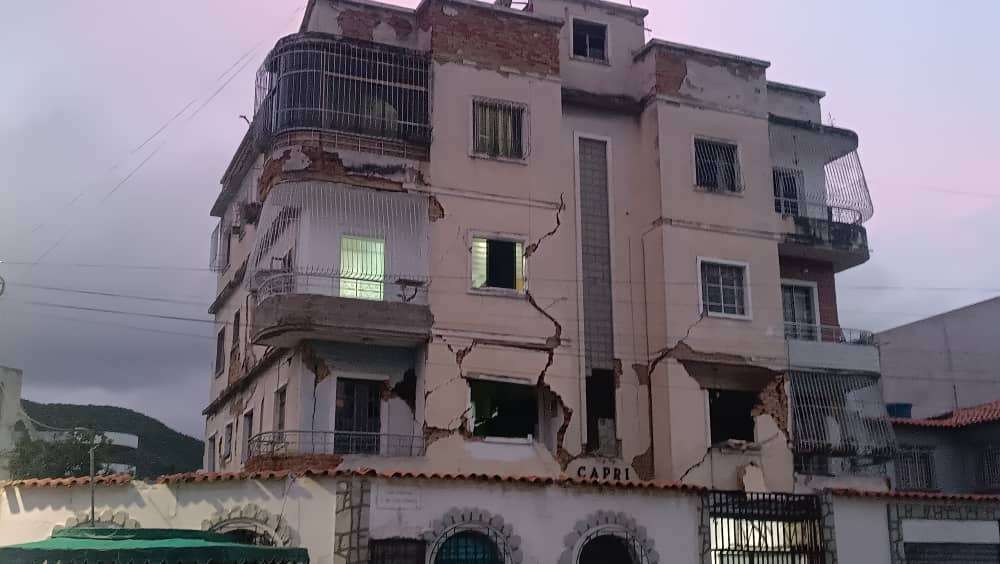
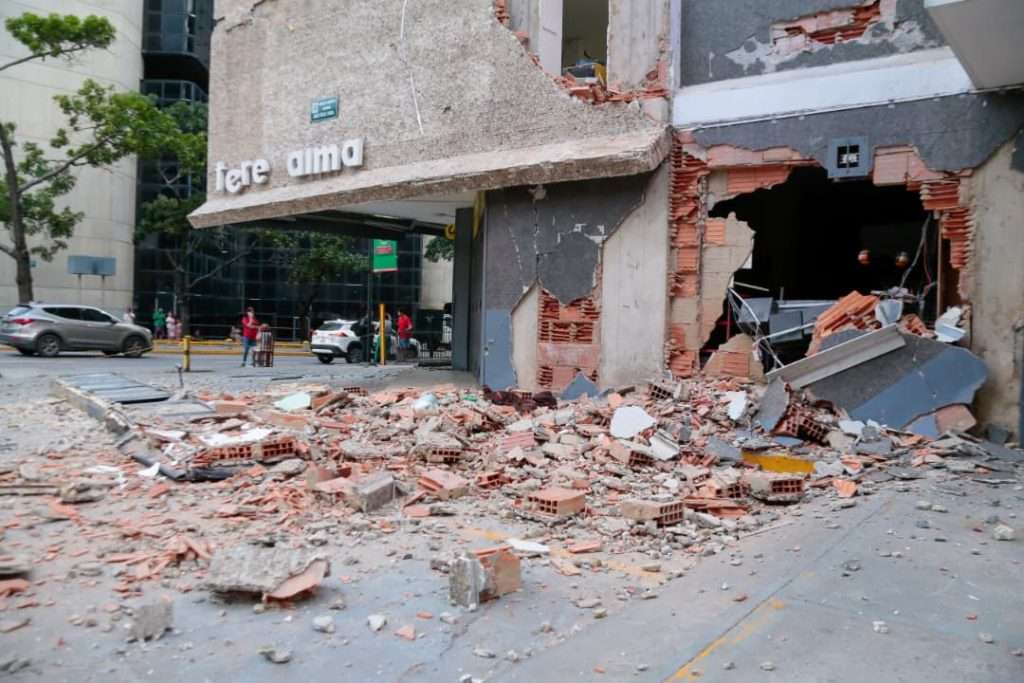
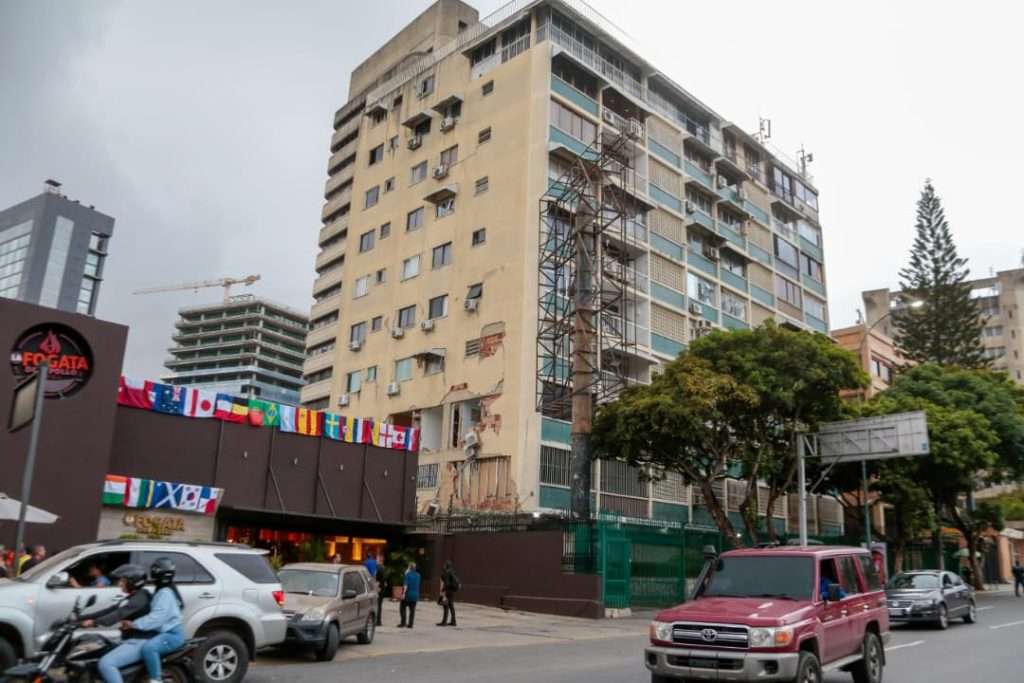
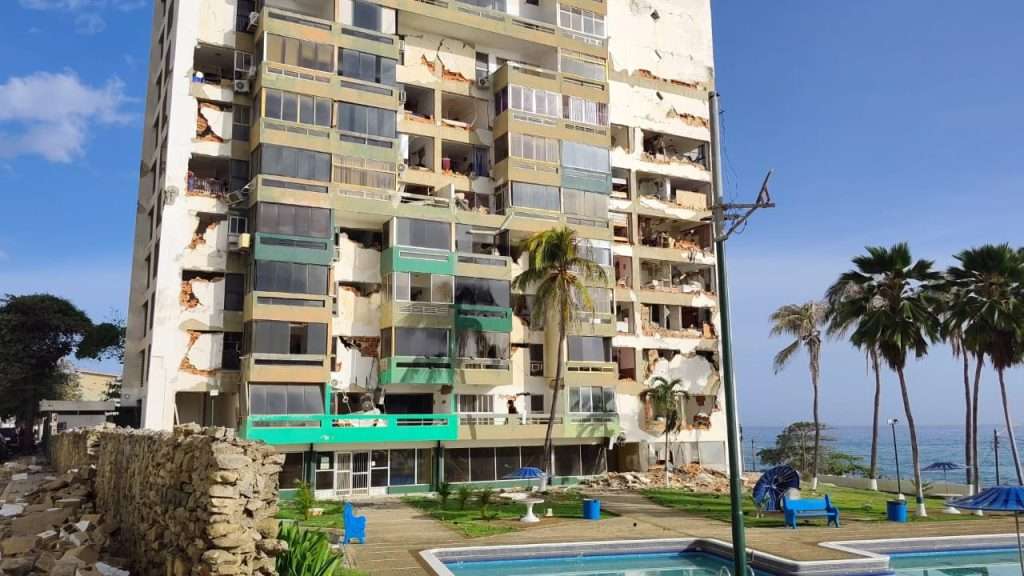
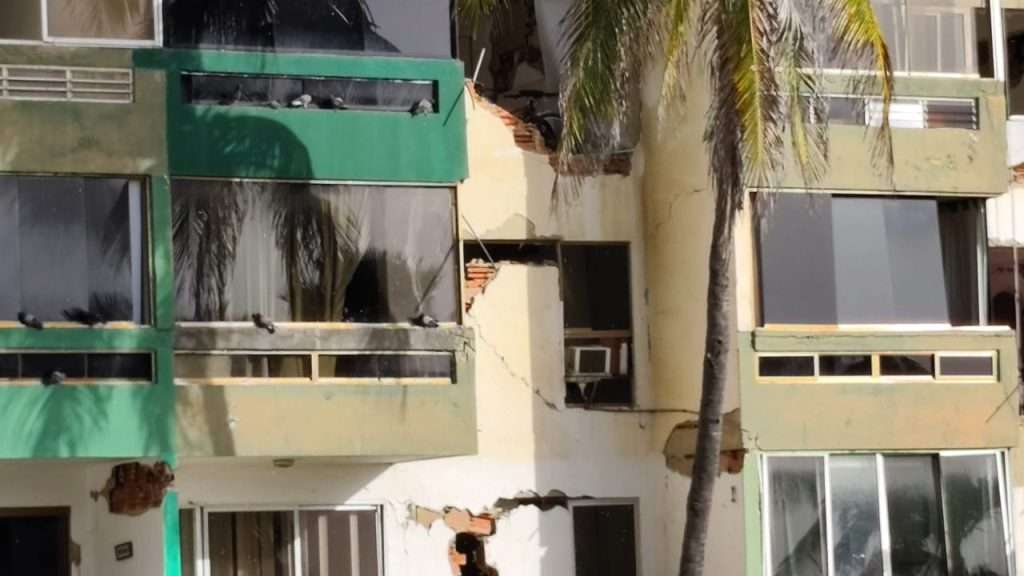
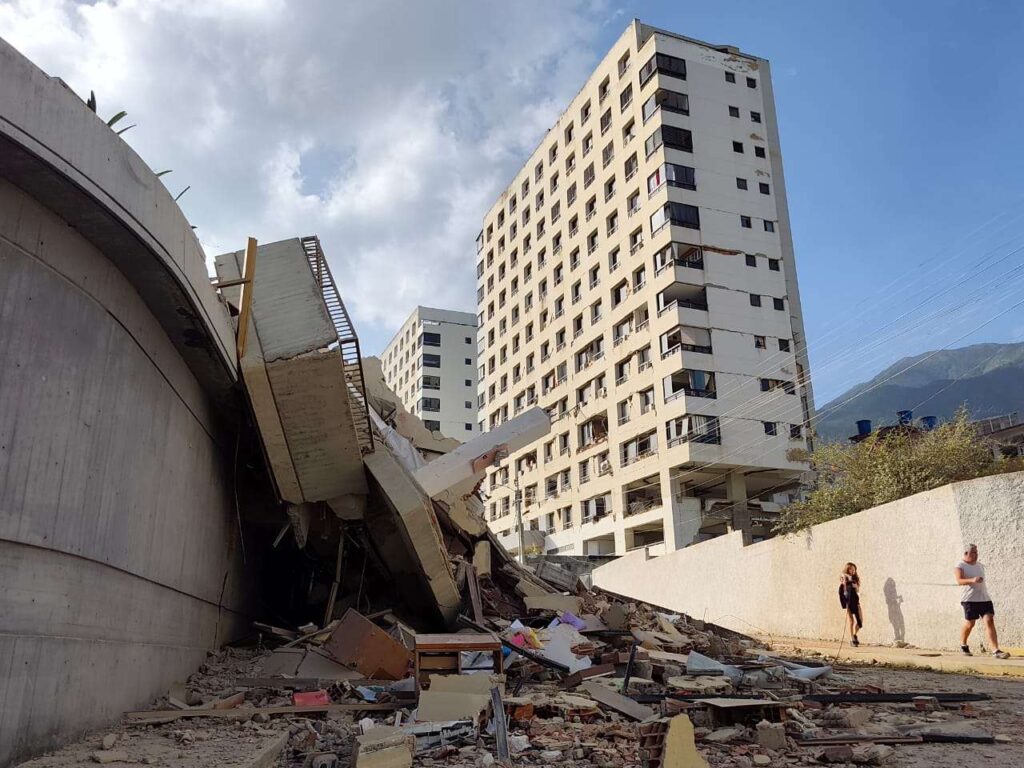
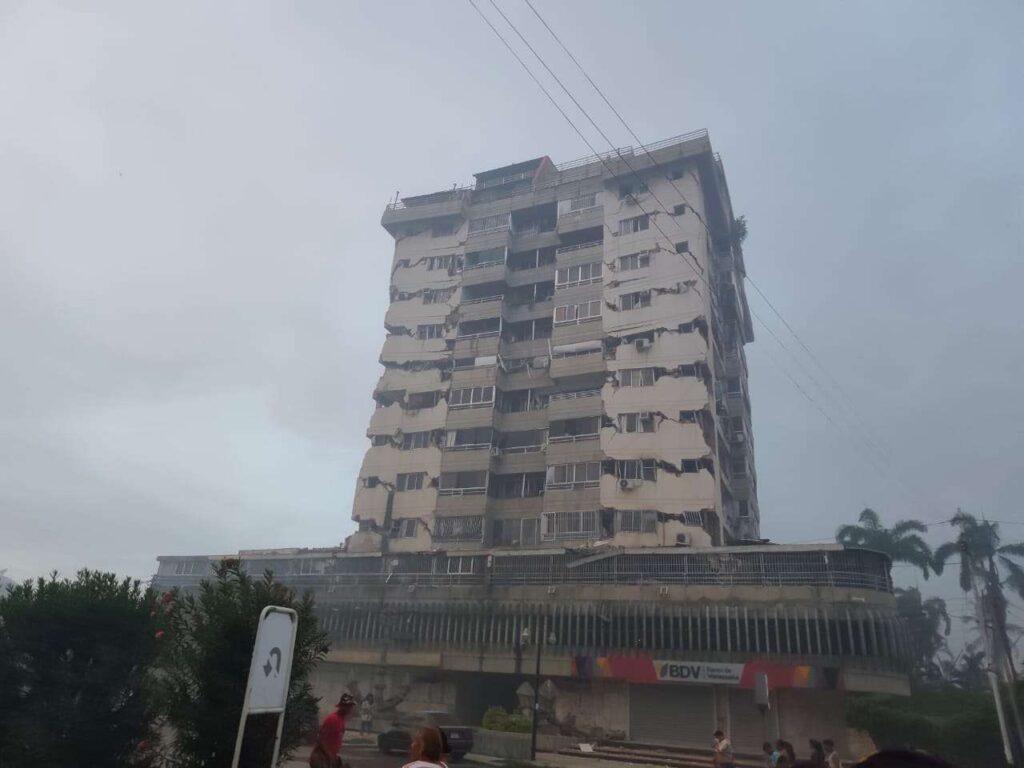
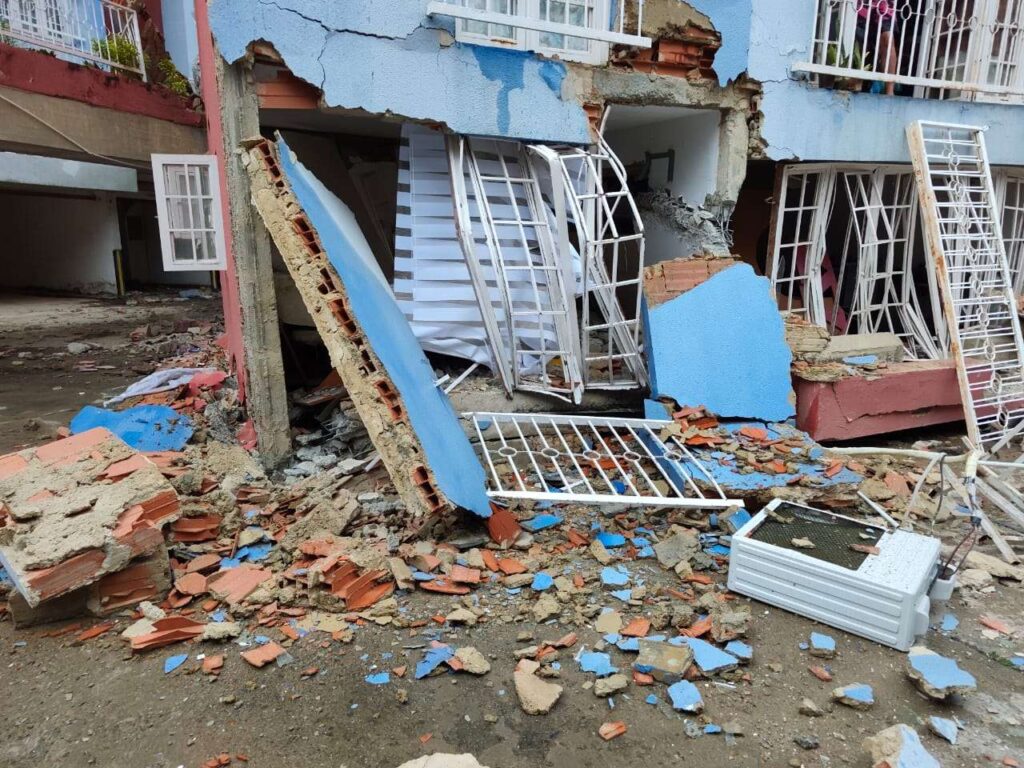
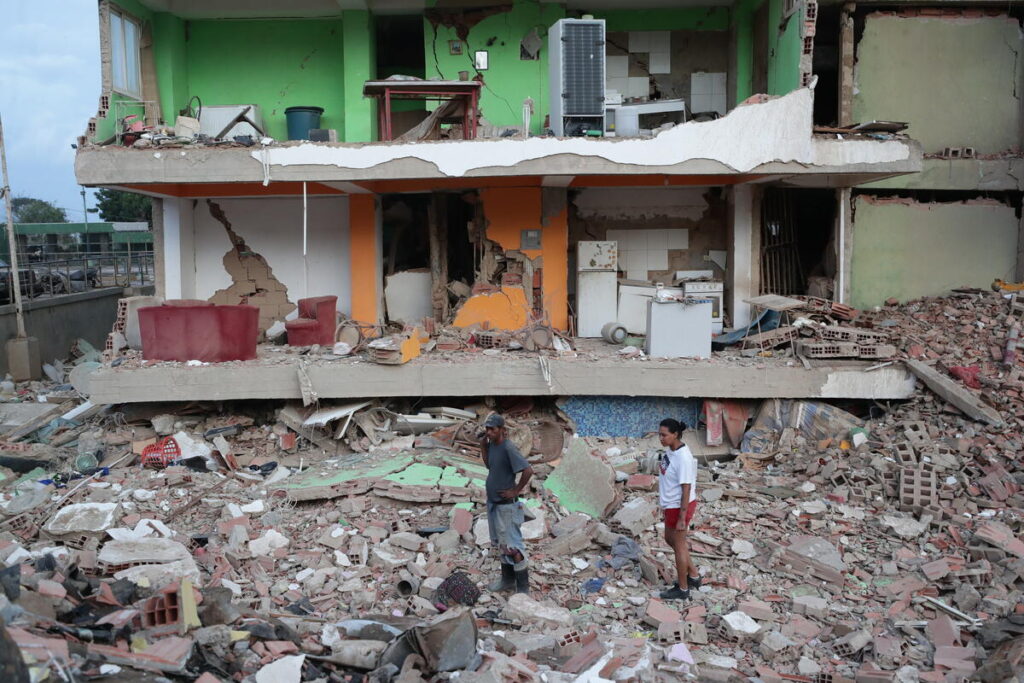
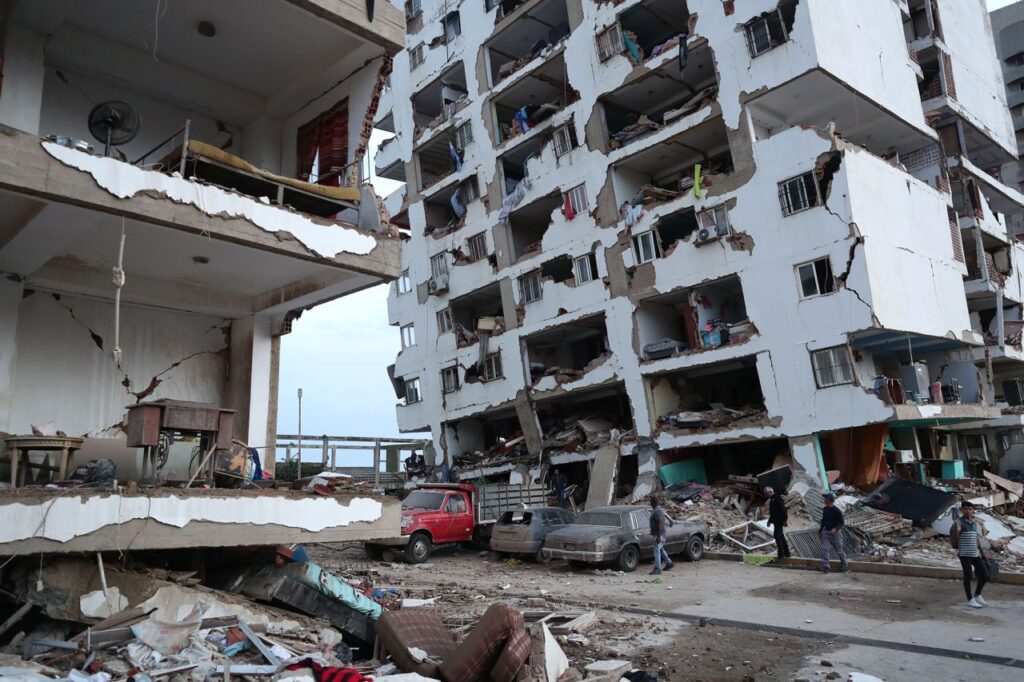
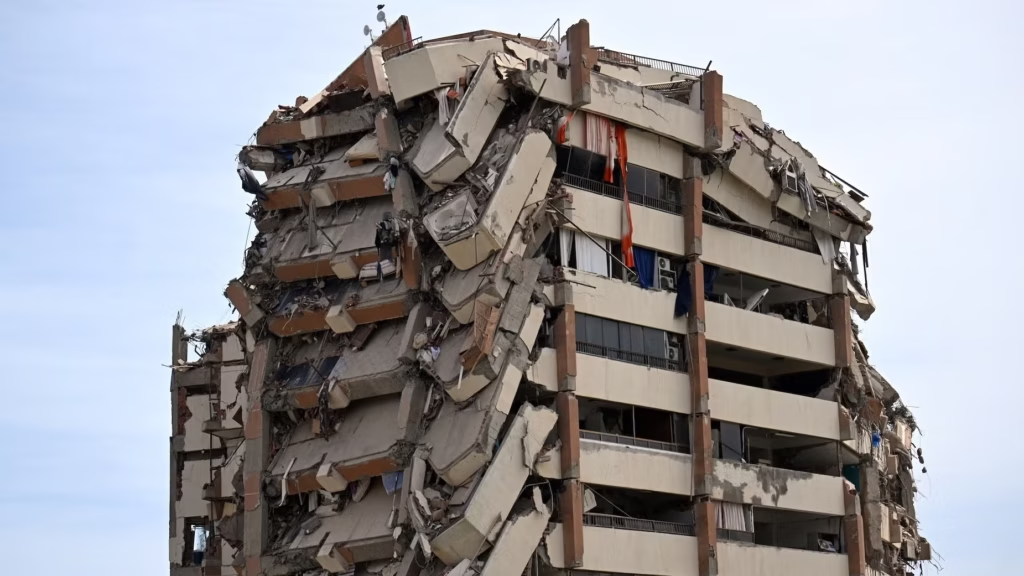
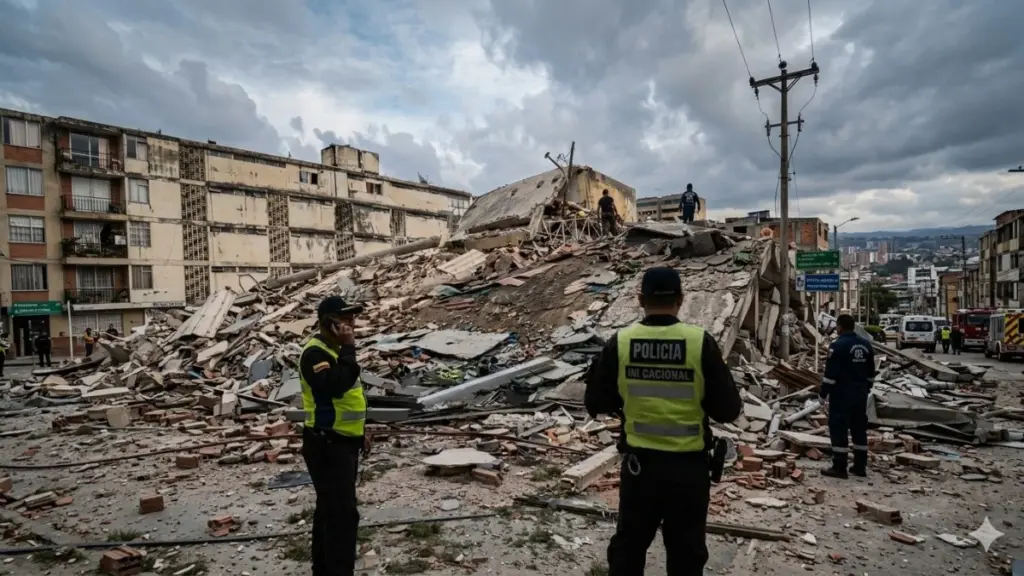
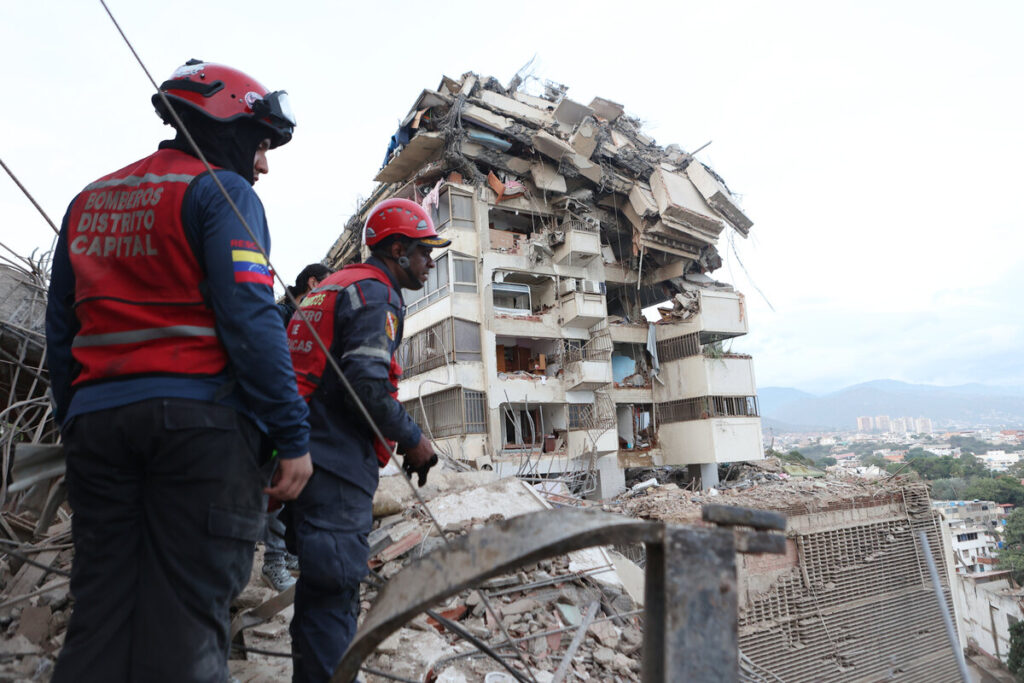
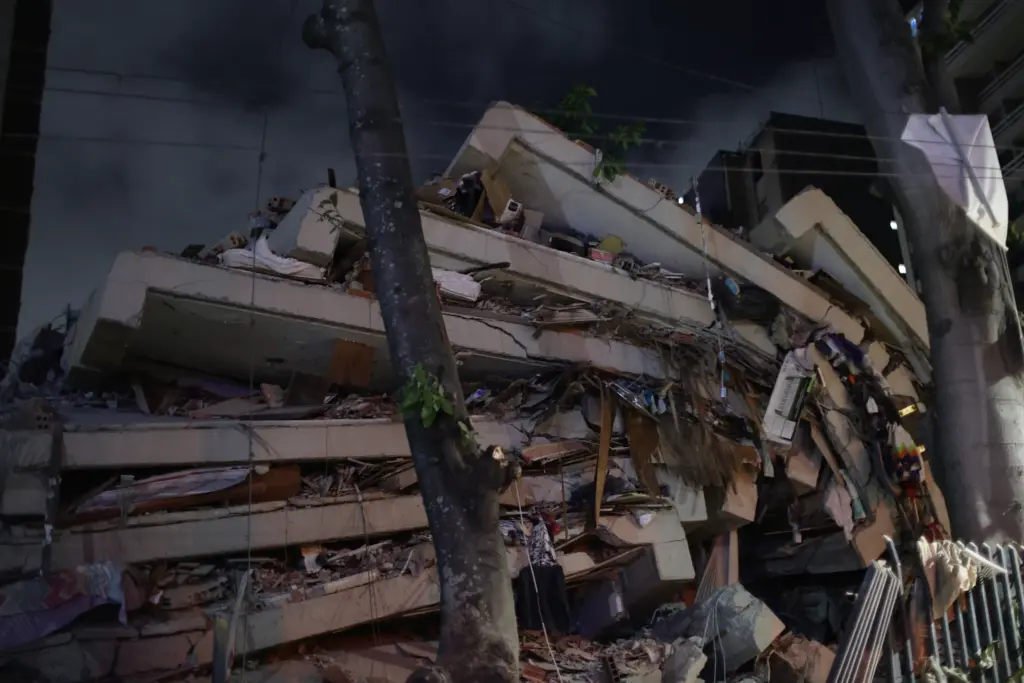
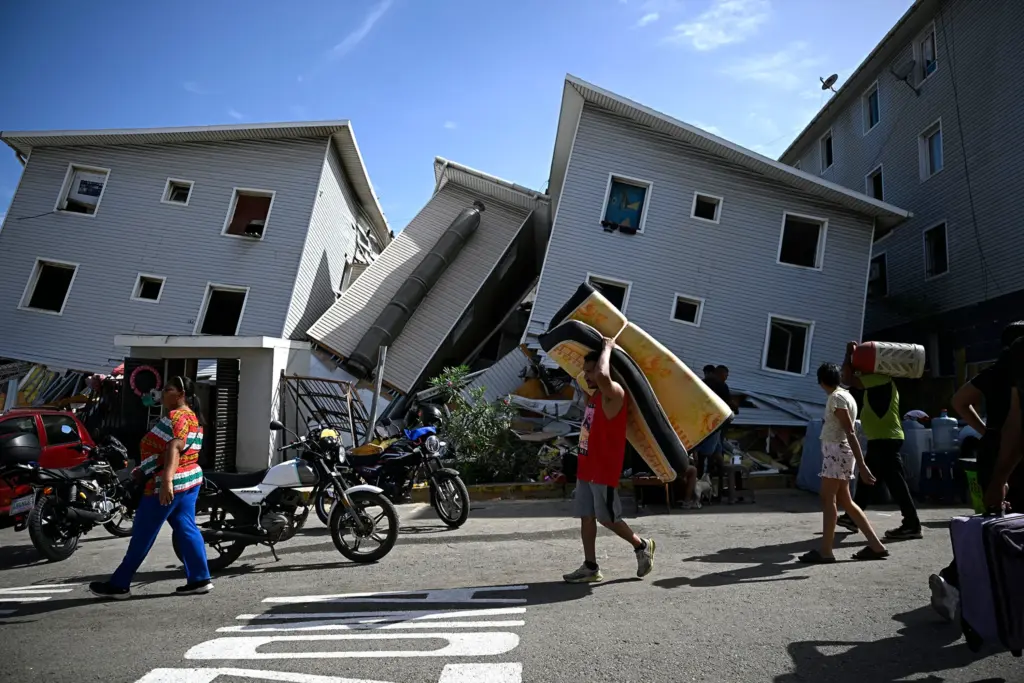
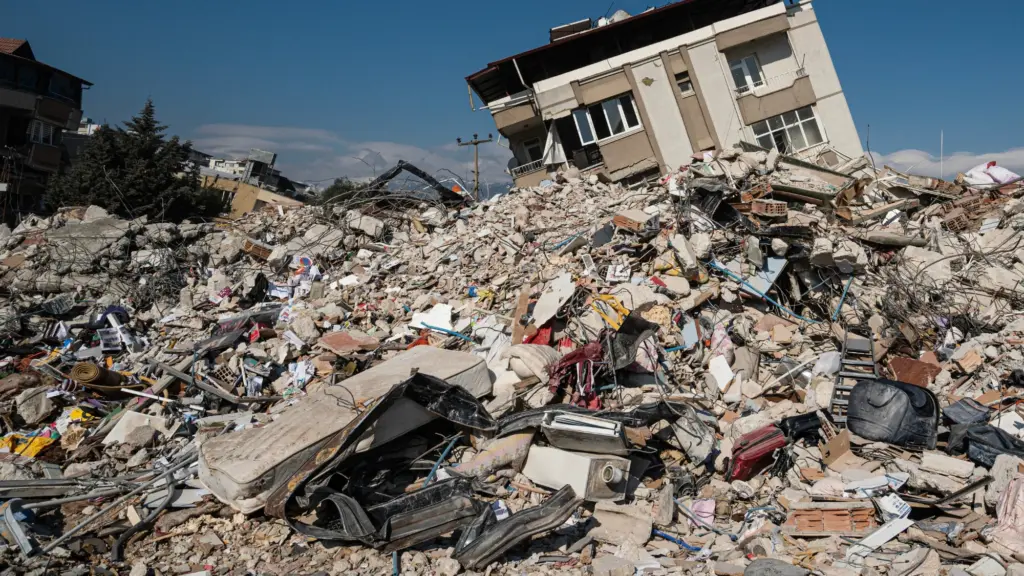
“At this time, the affected or destroyed infrastructure corresponds to 250 buildings, which are primarily collapsed, heavily damaged, or severely deteriorated,” the lawmaker stated, adding that the majority of these structures are located in La Guaira state.
In her second address to the nation around 3:00 a.m. on Thursday, Acting President Delcy Rodríguez described La Guaira as a “disaster zone” with dozens of collapsed buildings, warning that initial casualty figures did not yet fully encompass the toll from that area.
The number of casualties reported so far is slightly higher than the toll from the January 3 US strikes, an imperialist aggression that deeply traumatized many of the same coastal areas currently affected by this natural disaster. During that January assault, US forces kidnapped President Nicolás Maduro and killed more than 100 people, including 32 Cuban and 47 Venezuelan soldiers.
Emergency response and safety measuresTo coordinate the nationwide response, the government appointed an emergency general staff led by National Guard (GNB) General Juan Sulbarán. Authorities simultaneously suspended school classes, railway lines, and metro operations to facilitate emergency management. In addition, operations at the Simón Bolívar International Airport were halted due to heavy structural damage.
The disaster began at approximately 6:00 p.m. on Wednesday—a national holiday in Venezuela—when two powerful earthquakes struck consecutively just 39 seconds apart. The seismic activity caused building collapses, damaged critical infrastructure, and forced the evacuation of thousands of residents across the northern coastal region.
The first quake measured a magnitude of 7.2 with its epicenter located 25 kilometers east of San Felipe, Yaracuy state. The second reached a magnitude of 7.5, centered 28 kilometers northeast of the same location, as reported by the Venezuelan Foundation for Seismological Research (Funvisis) shortly after the events.
Rising aftershocks and temporary sheltersThe tremors heavily impacted parishes across Caracas, Miranda, La Guaira, Carabobo, Falcón, and Aragua states. Seismologists recorded 20 aftershocks in the hours immediately following the main shocks, with an additional 10 recorded by early Thursday morning, bringing the total to 30. Experts warn that strong, potentially damaging aftershocks will likely continue in the coming days, posing a severe risk to rescue crews and individuals still trapped beneath the debris.
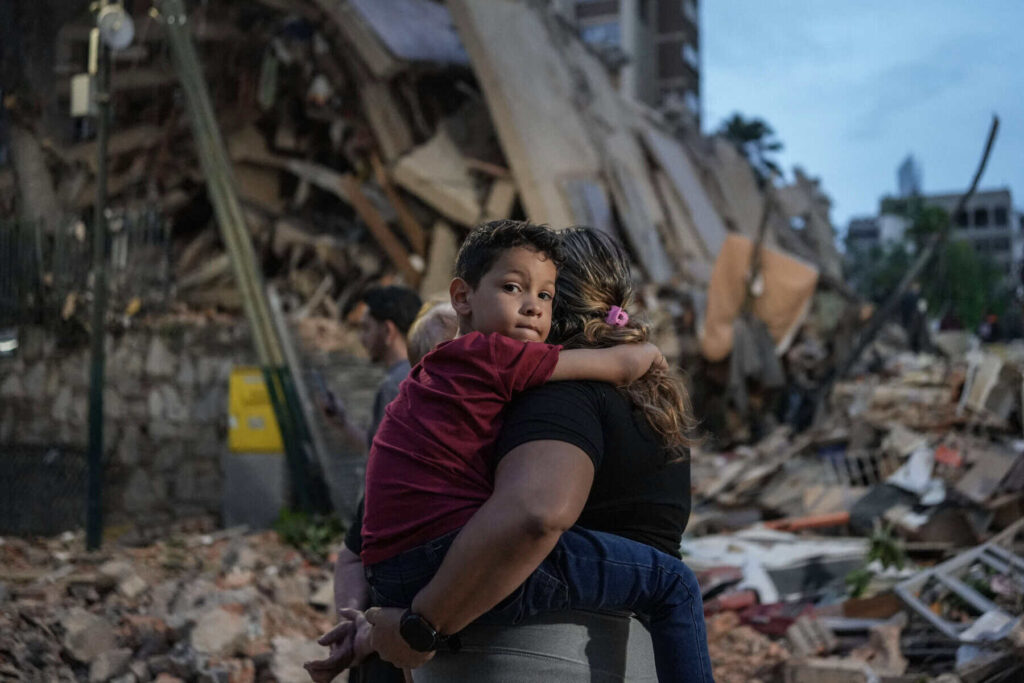
In response to the displacement, Communication Minister Miguel Pérez Pirela announced that several public spaces have been repurposed. “We opened Generalísimo Francisco de Miranda Park so that residents of Palos Grandes and Sebucán, from the affected buildings, can take shelter,” Pérez Pirela stated, emphasizing that the eastern sector of Caracas is among the hardest-hit urban zones. While precautionary electricity and gas cuts were enacted to mitigate secondary hazards like explosions, most public services remain functional across the rest of the country.
International solidarity and relief fundingIn her initial address, Acting President Rodríguez expressed gratitude for the prompt solidarity and support offered by various nations and international bodies, including Panama, Qatar, Cuba, Nicaragua, Türkiye, Jordan, Barbados, Curaçao, Colombia, the United Kingdom, Brazil, Mexico, the United Nations (UN), and multiple multilateral financial institutions. In a subsequent update at 1:00 a.m., she extended thanks to the Dominican Republic and China.
To bankroll the massive recovery effort, Rodríguez announced the creation of a $200 million emergency fund utilizing Venezuelan resources held at the International Monetary Fund (IMF).
Countering Western media narrativesAs the state deploys its resources, international mainstream news corporations have attempted to frame the Venezuelan economic crisis as an inherent failure of the state, omitting the reality that Venezuela’s economic challenges are primarily the result of illegal US sanctions. These outlets have subtly suggested that the country lacks the heavy machinery required for extensive urban rescue operations or that the emergency response has been inadequate.
Venezuela Commemorates Anniversary of Battle for Independence as Anti-Imperialist Struggle Continues
However, analysts contend that the decisive actions of the government are more than eloquent, with all levels of the state actively contributing to search and rescue operations. Additionally, the acting president has invited private contractors with heavy equipment to coordinate with the emergency staff to lease their machinery, further accelerating the state’s capacity to clear rubble and save lives.
Photo gallery
Special for Orinoco Tribune by staff
OT/JRE/SH
From Orinoco Tribune via This RSS Feed.