

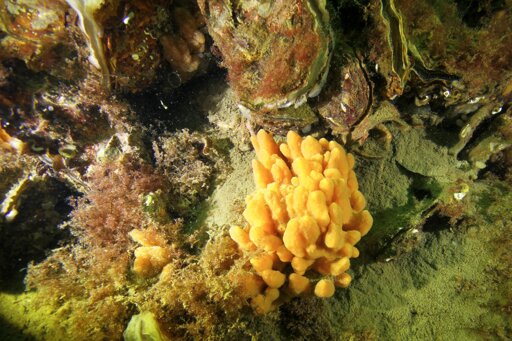
Marine sponges may play an important, previously underestimated role in reducing methylmercury contamination in marine food webs. In a new modeling study, researchers at Helmholtz-Zentrum Hereon showed that sponges can significantly influence the spread of this environmental toxin through ecosystems. The findings suggest that the animals’ unique feeding behavior helps reduce methylmercury levels and may lower contamination in fish. The study is published in the journal Biogeosciences.
From Biology News - Evolution, Cell theory, Gene theory, Microbiology, Biotechnology via This RSS Feed.
You must log in or # to comment.