

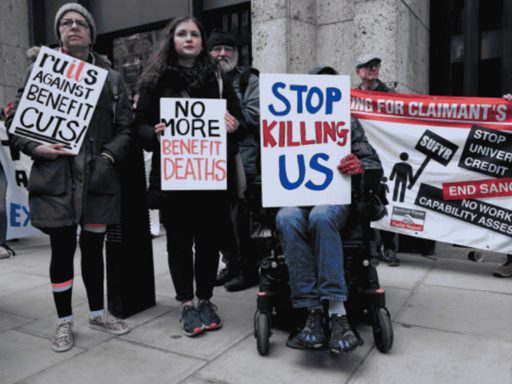
We have all heard about those with extreme views being cancelled on social media sites. But how many vulnerable people are outright ignored? Those ignored tend to be disabled people and those with long-term chronic health conditions.
It has become hard to avoid posts on social media or segments on the news from various politicians, many not currently in office, wanting ‘root and branch’ benefit reviews, or other actions. For anyone currently receiving such benefits – who know just how hard it is to survive when you have serious health conditions and disabilities – how this news is disseminated on social media can cause severe mental stress that, in turn, can result in physical symptoms, or a worsening of a physical condition.
Social Media Anxiety
Natalie, who has Bipolar, Autism and POTS, said this anxiety comes when she is trying to post and while she is reading other’s posts:
I sometimes experience physical symptoms of anxiety, including a tight jaw, stomach aches, and a tight chest. It can affect my sleep and make it difficult to concentrate.
Natalie says this is because:
Such posts make me feel frightened about the future. They also leave me feeling alienated and unwanted by my country.
This fear and worry about the future is also something experienced by Sarah, who has schizophrenia. She said:
The daily smearing by MP’s feeds directly into the voices I hear and my paranoia.
The words have become enmeshed into my voices…. They also want me to self-inure.
I’m resigned to never having a life anymore, feeling like a constant target.
Making disabilities worse
This intense anxiety, along with feelings of dread, affects sleep. Not being able to rest means your body doesn’t have a chance to repair from the previous day, and if this continues, it can make other disabilities worse.
This is something Mike knows all too well. He has multiple physical and neurological disabilities, and said:
I’m very anxious and worry about money and my future. This has knock-on problems with my sleep. The stress levels mean I’m more prone to seizures.
Mike added:
I feel like I’m being attacked from all sides with Helen Whately MP, Jeremy Vine, Pat McFadden MP, all lying. It’s so hurtful… It makes me feel more frightened to be out and about. I don’t think it’s ever been so hostile.
Tory Misinformation
Tory MP Helen Whately recently called Personal Independence Payment (PIP) – an amount of money given to people with disabilities, whether they work or not, to help them cope with the additional costs of a disability – ‘a sickness benefit’ in an article for the Telegraph.
In the same piece, she attacks claimants with a false and deeply divisive statement, suggesting they have a “lifestyle that’s being propped up by taxpayers” – a lifestyle taxpayers can’t afford.
Her article demonstrates her ignorance of what PIP is, who it is for, and what life is really like if you have disabilities.
The problem is, despite these false claims, Whately’s piece was shared thousands of times, with those sharing it often adding their own deeply disturbing comments about those on benefits.
Hostility on the rise
Hostility towards those on benefits – many of whom work – is rising, and it’s not just politicians causing it.
When someone is thinking about writing a post about concerns regarding their benefits or disabilities, they already factor in the DWP’s prying eyes. Now, they also have to consider those people who aren’t even followers ‘jumping in’ and making hurtful comments. This can result in silencing them.
Many of the more recent posts have also been about the changes to PIP. Hannah, who has mental health problems along with physical disabilities, said:
It is beyond frustrating to hear MPs continuously lump PIP into the sickness benefit and/or out-of-work category. It is cruel, and they are lying.
It was designed for people with daily living and/or mobility needs to help with the extra costs of long-term illness or disability. We are talking about life-limiting conditions.
There may need to be changes, but to repeat commentary in such a biased and cruel way – about people who are already treading a very thin line between existing and not existing – is disturbing.
To be honest, I try to avoid reading/watching anything about PIP for that very reason. It is profoundly unsettling. I think it may be doubly frightening for those living with serious mental impairment, because that goes largely unseen.
Compounding the ‘invisible’
Hannah now tries to avoid social media, due to the disturbing nature of these comments and discussions. She recognizes changes to PIP could be frightening for those with severe mental health problems and learning disabilities.
She also knows that the social media response that comes with these proposals being released makes things worse. Many posts also vilify claimants who have ‘invisible’ disabilities, such as mental health and learning disabilities.
This can mean those with disabilities – who are already feeling like they are under attack from the government and sections of the press – are now realising social media is not safe. Instead as Mike said, social media is an increasingly hostile place – a place where they often feel silenced, due to the mental and physical impact of being on such platforms.
Names have been changed for confidentiality purposes. Featured image via the Canary.
By Ruth Hunt
From Canary via This RSS Feed.