

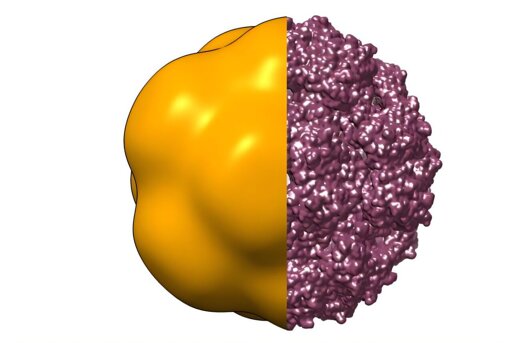
When viruses travel through the air in tiny droplets, they can quickly start to dry out. Yet many viruses remain infectious after rehydration—something that is still not fully understood. Now, an international team of researchers has directly observed at the European XFEL how the protein shells of viruses can change shape during dehydration, offering new clues to viral resilience and opening new possibilities for virology research. The results, published in Light: Science & Applications, lay the groundwork for potential applications in virology and public health and can, for instance, help develop antiviral strategies.
From Biology News - Evolution, Cell theory, Gene theory, Microbiology, Biotechnology via This RSS Feed.
You must log in or # to comment.