

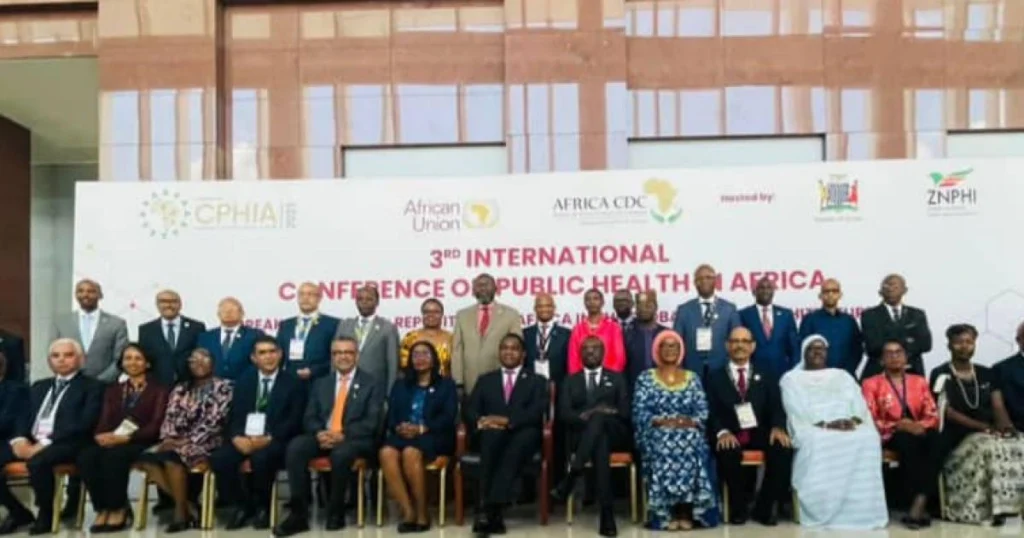
From June 23 to 25, 2026, Tanzania is hosting the third International Conference on PEN-Plus in Africa (ICPPA 2026), hosted by the World Health Organization (WHO) Regional Office for Africa. The event brings together Heads of State and Government to generate innovative ideas that will propel the continent towards universal access to services for serious non-communicable diseases (NCDs) by 2030.
RELATED:
W.H.O. Warns Over Spreading Ebola Outbreak in East Africa
This goal includes ensuring the equitable availability of quality essential supplies, medicines, diagnostics, and health technologies for the prevention, early diagnosis, and treatment of these diseases within the framework of the PEN-Plus strategy.
The conference supports the accelerated strategy implementation as part of a comprehensive response, aligned with national priorities for Universal Health Coverage (UHC). The PEN-Plus complements the WHO’s PEN intervention. While the focuses on primary care centers for common NCDs, PEN-Plus extends to first-level referral centers, district hospitals.
Its main focus is on serious NCDs, such as type 1 diabetes, rheumatic and congenital heart disease, sickle cell anemia, and palliative care for advanced malignancies. The program includes training for healthcare personnel, the provision of medical equipment, and a patient- and community-centered approach, integrating psychosocial support.
How do we ensure that people living with severe NCDs can access the care they need, wherever they live?
This question was at the centre of today’s plenary discussions at #ICPPA2026, where leaders and experts shared experiences and solutions to expand access to diagnosis,… pic.twitter.com/W9m8kHTOCb
— WHO African Region (@WHOAFRO) June 24, 2026
In the high-level debate on resource mobilization, Dr. Ali Haji Adam, Minister of Health of Somalia, addressed the challenges faced by fragile countries. The Minister highlighted the situation of the health sector and noted that these diseases represent an increasing burden on communities and health systems across Africa.
Adam emphasized that countries affected by conflict and humanitarian crises require additional support and sustainable funding to ensure access for vulnerable populations.
Furthermore, he emphasized the importance of forging effective international partnerships and promoting knowledge sharing, noting that achieving Universal Health Coverage (UHC) requires integrating NCD services into national health plans and strategies.
Somalia’s participation reflects its commitment to strengthening cooperation with international partners. This comes at a time when Africa is experiencing a significant increase in NCDs, including cardiovascular diseases, diabetes, and cancer, which is placing increasing pressure on the continent’s health systems.
#Africa | Plan International Sudan’s Country Director, Mohamed Kamal, said his team has spent two months obtaining the necessary Sudanese permits and more than a day’s journey by road to transport food and supplies to Blue Nile State.https://t.co/TxdzgSPBlt
— teleSUR English (@telesurenglish) June 15, 2026
From teleSUR English via This RSS Feed.