

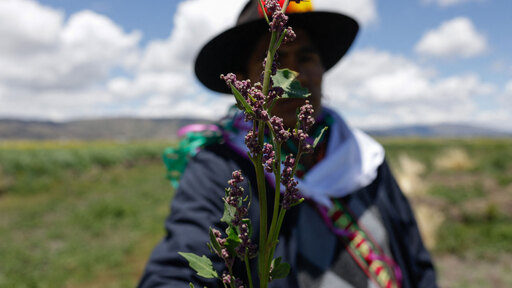
As the impacts of climate change continue to escalate, a growing number of climate scientists and policymakers cite Indigenous lands as a model for their rich biodiversity and effective carbon storage. But that recognition has not always translated into space for Indigenous leaders in climate negotiations, access to climate resilience funding, or enforcement of human rights standards.
That has been the case for decades. But the problems do not stop there. New research shows that approach overlooks the key role that Indigenous knowledge and culture can play in mitigating climate change. It also reveals a dangerous misconception that has taken hold in global climate discussions: the idea that Indigenous lands are so rich because they are remote or sparsely populated.
Nothing could be further from the truth. The health of Indigenous lands and their ability to store vast quantities of carbon stem from the stewardship of the people who inhabit them.
That’s the finding of research from Conservation International, which shows that traditional knowledge, community protocol, and Indigenous culture play a direct role in protecting forests, wildlife, and the environment. Sushma Shrestha, who is Indigenous Newar from Nepal and the study’s lead author, said the research comes at a critical time.
“All of humanity relies on everything that Indigenous peoples have to contribute and offer in terms of their lands, in terms of carbon storage, in terms of biodiversity conservation,” she said.
The study, released as a narrative report and a peer-reviewed study, explores how Indigenous knowledge and practices benefit the planet. It also found that all 43 of the surveyed communities are experiencing drought, extreme weather, and other adverse impacts from climate change. More than half are affected by extractive industries like mining and logging.
Researchers interviewed 49 Indigenous leaders from six continents about how they steward their land, which ranged from the Amazon rainforest to East African savannas and Pacific Islands. They found that traditional management practices like avoiding overfishing, maintaining sacred spaces, watching for fires and other threats, and direct resistance against extraction contribute to the remarkable health of Indigenous territory. Ninety-six percent of respondents said they had land set aside for special uses, like spiritual practices, that also benefit the environment by protecting those spaces and ecosystems. Shrestha stressed that although each Indigenous community is distinct, there are shared lessons the entire world can learn from.
“It’s a time where all hands need to be on deck,” Shrestha said. “And collectively, actions need to be taken, and indigenous peoples have been doing this on their own for a very long time.”
The study builds on years of research that shows, among other things, that the world’s healthiest forests are on Indigenous lands and conservation efforts are more effective when they incorporate Indigenous autonomy and decision-making at every step.
Read Next
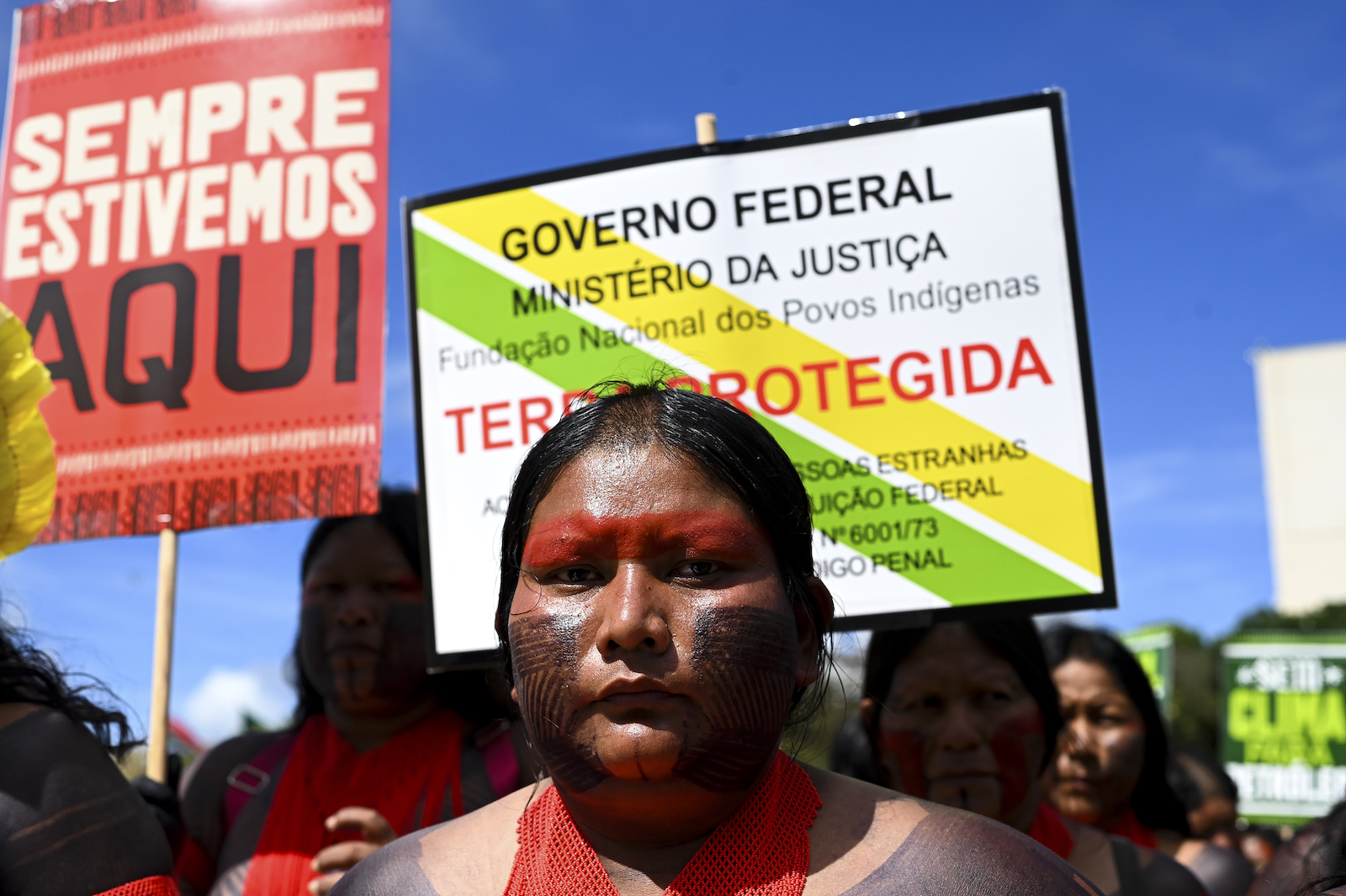
The key to better climate outcomes? Respecting Indigenous land rights and autonomy.
Drought and extreme weather were the top climate impacts cited, but 61 percent of those interviewed also called mining, commercial agriculture, logging, and other incursions serious concerns. These issues threaten to disrupt land stewardship practices that have endured for millennia. To help mitigate these challenges, Indigenous peoples are asking for mitigation and resilience funding, legal advice for protecting their territories, and recognition of national and international land rights.
“Indigenous Peoples’ Knowledge cannot exist without Indigenous Peoples or without the ecosystems where we live,” Hindou Oumarou Ibrahim, who is Indigenous Mbororo from Chad and a former chair of the United Nations Permanent Forum on Indigenous Issues, wrote in a forward to the report. “To protect our knowledge, there is an urgent need to recognize us, and our rights and lands must be secured.”
Respondents from a wide range of countries, including Bolivia, Mexico, and the Philippines, mentioned using community monitoring or patrols to protect their land from outsiders and violations of traditional protocol. Several also called for stronger legal protections to protect their lands from being sold or developed.
Shrestha, Ibrahim, and other Indigenous experts said that as much as Indigenous peoples are asking for help, they are also urging the world to learn from them. The Kichwa people in Ecuador, for example, restrict hunting of female tapirs and other animals to help slow population decline. The Tacana people in Bolivia, among others, do not permit tree clearing along rivers, which helps maintain water quality and prevent erosion. The list goes on, and could help the rest of the world mitigate climate change and protect the environment.
“It is my hope the voices of the sisters and brothers from all over the world reflected in this report trigger the action we need for the planet we all want, the action we need for Indigenous Peoples Knowledge to flourish, and honor our grandparents and our children that are yet to come,” Ibrahim said.
Given the scale of the threats facing the world and the urgency with which they must be addressed, Shrestha said that policy changes and enforcement of Indigenous land rights is more important than ever. She also stressed that these actions will benefit the entire world. “One thing that everybody can do, whether that is at the national level, or at the global level, is to really secure indigenous peoples’ rights to lands,” she said.
This story was originally published by Grist with the headline Indigenous cultural practices are a climate solution, report finds on Jun 24, 2026.
From Grist via This RSS Feed.