

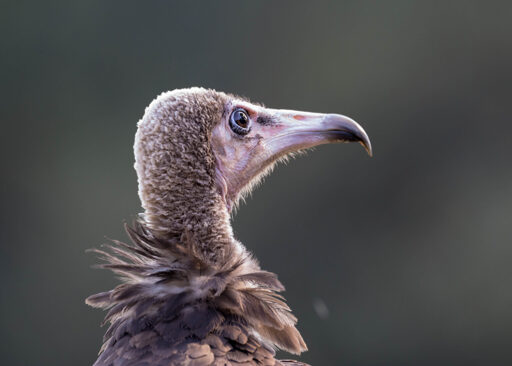
Using plants instead of vulture parts for belief-based practices is helping to tackle poaching of the birds in some regions of Nigeria, say conservationists. Vulture populations have collapsed in Nigeria. The country was once home to seven vulture species; recent surveys recorded only two, the critically endangered hooded vulture (Necrosyrtes monachus) and the palm-nut vulture (Gypohierax angolensis). Habitat loss, poisoning and poaching for belief-based uses, such as the use of vulture parts in traditional medicines or to bring luck or success, are the primary drivers of their rapid decline. In recent years conservation groups, including the Nigerian Conservation Foundation (NCF), have engaged with traditional medicine practitioners to reduce demand for vulture parts. Stella Egbe, species conservation manager at NCF, told Mongabay that many practitioners are switching to plant alternatives, likely because of awareness-raising, increased law enforcement and higher prices of vulture parts in some regions. Chief Samson Ola Soyoye, vice president of the National Association of Nigerian Traditional Medicine Practitioners, told Mongabay the use of vulture parts has a long history in medicinal practices in Nigeria. “That’s when the vultures were many but now [they are] rapidly going into extinction,” he said. “My view is to look for alternative plants instead of vultures.” More than 20 plants are now used in place of vulture parts in some places, Egbe said, adding that the conservation status of the plant alternatives also needs to be assessed. To date, the African mahogany tree (Khaya ivorensis), also known as oganwo, is the only species…This article was originally published on Mongabay
From Conservation news via This RSS Feed.