

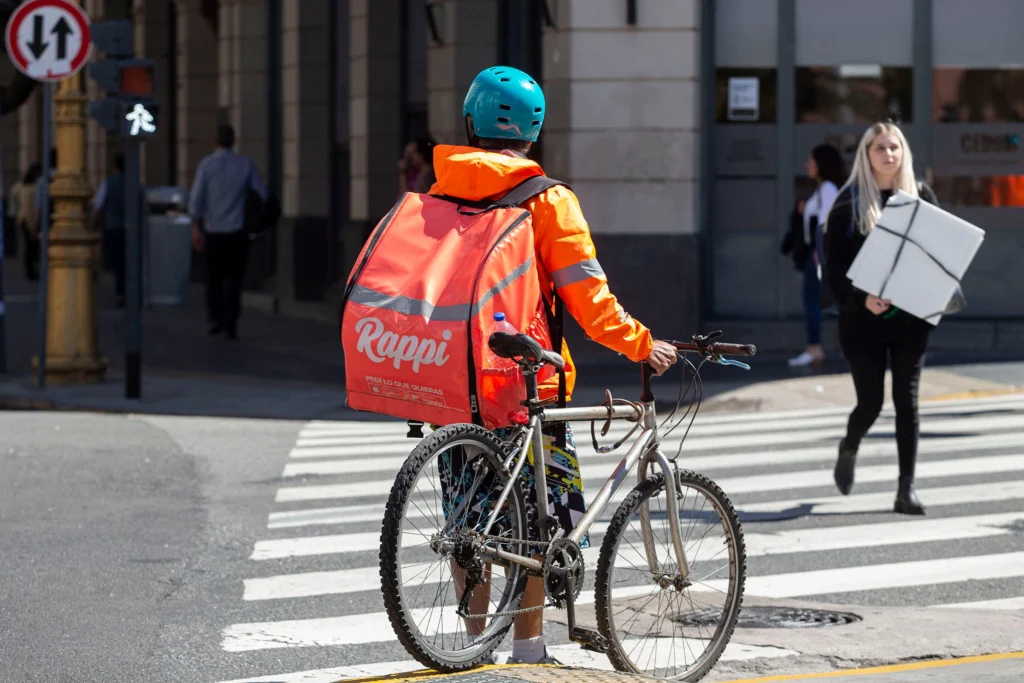
Argentina’s informal labor reached a record 44.2% in early 2026, marking the highest precarity level since President Javier Milei took office, while unemployment approached levels of the 2001 crisis.
On June 23, official data from Argentina revealed that unemployment reached 7.8% in the first quarter of 2026, nearing crisis levels as neoliberal policies under Javier Milei deepen labor precarity.
The National Institute of Statistics and Censuses (Indec, in Spanish) released a report showing that over 1,100,000 citizens are currently out of work across the 31 urban conglomerates surveyed in the South American nation.
RELATED: Milei Administration Authorizes $5 Billion Foreign Debt Issuance
This sharp increase in unemployment includes the destruction of at least 52,000 jobs during the first three months of this year alone. The official statistics confirm a severe contraction in the Argentinean productive apparatus, raising alarms among trade unions and social organizations who point out that these figures closely mirror the economic devastation of the historic 2001 crisis.
¿Cómo evolucionaron las tasas de actividad, empleo, desocupación abierta, ocupados demandantes de empleo y subocupación desde el segundo trimestre de 2016? https://t.co/H6I4TCJTQU pic.twitter.com/f4l6nI6jZX
— INDEC Argentina (@INDECArgentina) June 22, 2026
Text reads: “How have activity, employment, open unemployment, job-seekers and underemployment rates evolved since the second quarter of 2016?”
Growing Labor Precarity
Amidst this sharp contraction, informal labor has surged to a record 44.2%, representing the highest precarity index recorded since President Javier Milei took office.
Currently, approximately 6 million Argentinean citizens survive under informal working conditions, meaning they are completely excluded from social security benefits, labor protections and healthcare coverage. These unregistered workers suffer from highly unstable conditions, receiving the lowest average incomes in the economy while facing the daily risk of immediate dismissal without compensation or guaranteed payment for their daily labor.
According to the official database, only 7.5 million people in Argentina hold registered formal jobs. Within this group, only 6 million contribute directly to the national retirement system, while the remainder of the formal labor force consists of self-employed individuals and employers. This structural division highlights the rapid erosion of labor rights under the current administration, which has prioritized market deregulation and austerity measures at the expense of working-class stability and social safety nets.
Systemic Economic Decline
Analyzing these critical statistics, Luis Campos, a prominent researcher at the Institute of Studies and Training of the CTA-Autonomous, explained that the national labor market is currently adjusting through quality reduction rather than pure quantity. Campos noted that while formal unemployment experienced a marginal nominal decrease of 0.1%, the actual proportion of occupied workers who hold registered, stable jobs fell dramatically from 57.8 percent to 55.7%.
This structural shift indicates that rather than creating stable jobs, the Argentinean economic model is forcing hundreds of thousands of formal workers into the unregulated informal sector. The transition of the workforce from stable, registered employment to informal labor (which rose from 42% to 44.2%) cements a nationwide scenario of severe labor precarity. For the working class, this reality translates into growing inequality and structural poverty, as the purchasing power of the Argentinean people continues to decline under neoliberal adjustments.
From teleSUR English via This RSS Feed.