

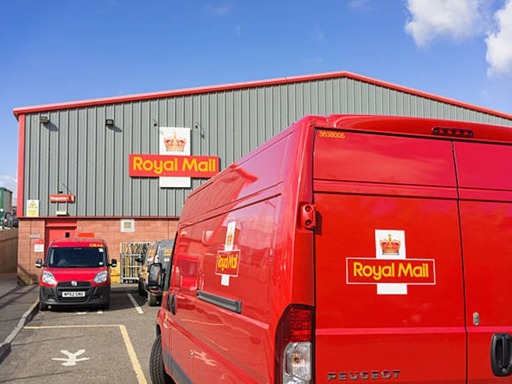
In spite of profits for the Royal Mail’s parent company dropping by 20%, chief executive Martin Seidenberg has more than tripled his ‘earnings’ for the year.
The International Distribution Services (IDS) boss took home £2.1m in the year to 31 March 2025, which shot up to £7m this year. Likewise, his fellow directors raked in a combined £9.8m this year, up from £4.2m the previous year.
Meanwhile, the Royal Mail’s operating profits dropped from £198m to £96m in the same period. IDS blamed the rise in the minimum wage and national insurance contributions.
Back in March, Parliament summoned Royal Mail bosses to answer for widespread service failures. The company had failed to meet its quality targets — including delivering 219 million letters late in one year. Likewise, communications regulator Ofcom recently launched yet another investigation into Royal Mail’s failures.
Buyout and windfall
Seidenberg and his cohorts owe their newfound fortune to Czech billionaire Daniel Křetínský’s £3.6bn purchase of IDS. The company was delisted in June because of the takeover, which led to a payout from share-based bonuses and vested incentive awards.
However, in the year to 31 March, IDS’ adjusted operating profits dropped by a fifth to £222m. In large part, this was due to a decline in profits for General Logistics Systems (GLS), which IDS owns alongside Royal Mail.
Meanwhile, for Royal Mail, letter volumes fell by 10%, whilst parcel volumes increased by 7%. Owing to the falling number of letters, Ofcom previously granted permission for the service to deliver second-class letters every other day.
Following an agreement with the Communication Workers’ Union, the Royal Mail also set out an improvement plan to boost its performance. Ofcom has issued £37m in fines over Royal Mail’s missed targets since 2023 alone.
Royal Mail rouses ‘deep frustrations’
However, on 1 June, the regulator announced that it was launching another investigation into the failing service provider.
Royal Mail’s most recent annual performance results showed that it delivered only 75.7% of first-class mail the next working day. That was more than 17 points below its 93% target.
Likewise, in spite of a 98.5% target, it delivered just over 90% of second-class mail within three working days.
Ofcom’s enforcement director, Ian Strawhorne, said:
A reliable postal service is vital to many people across the country. We share the deep frustrations of customers who have missed important letters because of Royal Mail’s consistent failure to improve its service over the years. While the company is now making progress through its improvement plan, we will continue to hold it to account for its unacceptable performance to date.
‘A year of real progress’…
Meanwhile, in spite of the investigation and falling profits of IDS’ subsidiary companies, Martin Seidenberg recently stated that:
This has been a year of real progress for IDS on many fronts, as we invest to build a modern, global logistics business at scale.
Following Royal Mail’s agreement with the unions we are rolling out universal service changes across the UK which will lead to a more efficient, reliable and sustainable service for our customers.
GLS continues to grow revenue and parcel volumes despite challenging conditions in parts of Europe, underlining the resilience of the group and the strength of our international network.
It seems like taking home an unexpected £7m can really do a lot for a boss’s unfounded optimism.
Featured image via the Canary
By Grace
From Canary via This RSS Feed.