

Iran is refuting assertions by JD Vance that it agreed to allow international nuclear inspectors back into the country, as negotiations are expected to continue this week.
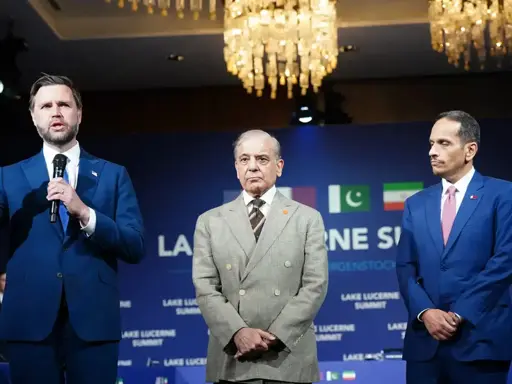
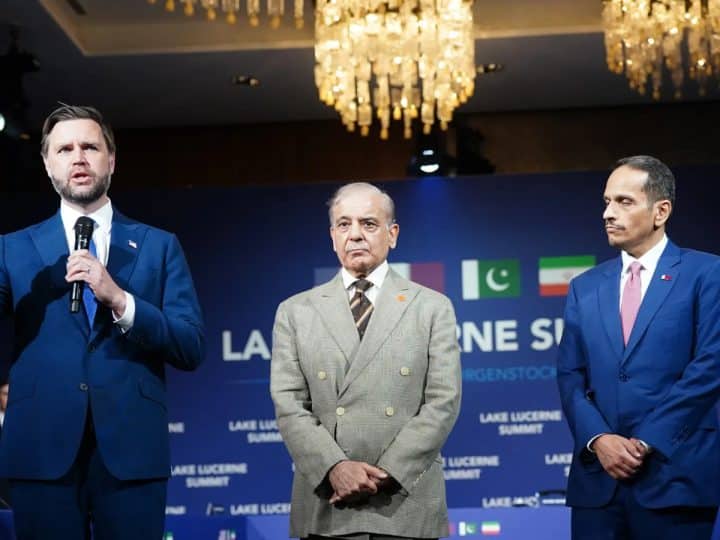
Talks were held in Switzerland on Sunday and Monday to address the implementation of the Pakistan-mediated Memorandum of Understanding (MoU), which was signed by the US and Iran last week, in order to end the US’s war on Iran.
Vance contradicted
Vance attended the Switzerland talks. However, despite his upbeat assessment, Tehran has made clear that no new commitments were made on the nuclear file.
On Tuesday, Iran’s Hormuz Letter posted:
Iran’s FM Spokesperson Baghaei also said Iran made “no new commitments” on the nuclear file during the 18 hours of Switzerland talks, did not negotiate the nuclear issue at all and does not plan to in the future.
Iran further described IAEA [International Atomic Energy Agency] inspectors as “America’s foot soldiers,” which Iran says is the reason why no official has agreed to inspections.
Iran has limited inspections by the IAEA since the US and Israel launched a first round of air strikes last year. The country blocked inspections entirely when the US started its war on Iran in February. It says its nuclear program is “peaceful”.
This rebuff came as Vance, who attended the talks in Switzerland, said that Iran was going to allow nuclear inspectors into their country. Vance told reporters as he was leaving Switzerland on Monday that:
We have the Iranians allowing weapons inspectors, nuclear inspectors into their country for the first time in a long time. We’re obviously going to bolster those inspection regimes to make sure they can never have a nuclear weapon. And finally, we continue to make progress on these technical negotiations.
We left a lot of our team – the Iranians left a lot of their team at the resort there to keep on working. So, all in all, a very productive 36 hours. We’re going to have to keep working it.
OFAC confirming sanction waivers
Not everything was contentious, though, as signs of progress were evident.
The US Department of the Treasury’s Office of Foreign Assets Control (OFAC) announced officially that it was authorizing the:
Production, Delivery and Sale of Crude Oil, Petrochemical Products, and Petroleum Products of Iranian-Origin through August 21, 2026.
This means that OFAC is waiving sanctions on Iranian oil and products until mid-August.
According to Reuters, however*,* removing the remaining US sanctions on Iran would be difficult. It reported:
It would also be difficult, requiring executive action for some measures, approval by Congress for others and close coordination with the U.N. and other countries that have imposed their own sanctions. Companies, wary after decades of restrictions, could also blunt the impact.
“You have this tangled nest of sanctions, and it’s not just executive orders, it’s congressional sanctions,” said Juan Zarate, deputy national security adviser for combating terrorism under former President George W. Bush
In addition, Bloomberg reported, “plenty of tensions remain” in the US-Iran talks, including over Israel’s war on Lebanon, and the US:
is yet to confirm how much Tehran will get in unfrozen funds.
Iran will get two installments of $6 billion each, the country’s semi-official Mehr news agency reported, citing Deputy Foreign Minister Kazem Gharibabadi.
Rubio visits the Gulf
The Trump administration is looking to sell its wins, though so far the benefits appear to be exclusively for Iran, including the unfreezing of funds and the US waiving sanctions on Iranian oil exports.
This may explain the statements by Vance and Trump to downplay the Iranian victory.
Meanwhile, Secretary of State Marco Rubio is expected to land in the United Arab Emirates on Tuesday, as the US seeks
to reassure regional allies the agreement it signed last week with Iran is good for their security and economies.
Iran said $12 billion of its frozen funds were set to be released as part of ongoing talks with the US https://t.co/LNDPOlAuDI
— Bloomberg (@business) June 23, 2026
In these new times, peace still seems fragile, and the whims of US officials like Vance – who must keep a domestic and Israeli audience pleased – do little to inspire confidence.
For now, Iran has secured tangible economic relief, but whether the agreement can withstand the next political storm in Washington is far from certain.
Featured image via Axios
By The Canary
From Canary via This RSS Feed.