

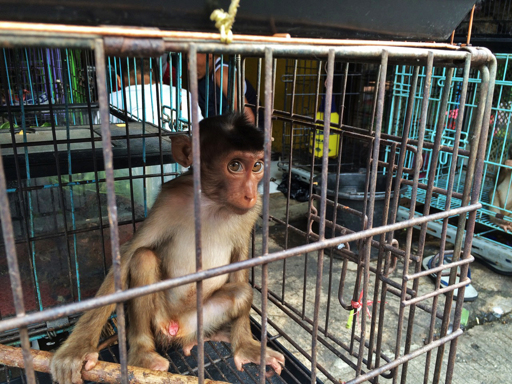
BALI, Indonesia — The booming market for animal abuse content brought dozens of international animal protection organizations to Indonesia in June for the first in-person summit to confront a growing online entertainment industry founded on suffering. The Asia for Animals Coalition (AfA), a network of more than 400 animal welfare and conservation organizations around the world, established the Social Media Animal Cruelty Coalition (SMACC) in 2020 in response to the spread of animal cruelty online. Afa is the world’s largest network of animal welfare nonprofits. SMACC then organized its first international summit in Bali on June 11 and 12 to gather advocates and experts to plan tangible steps to address online abuse of animals. “Online animal cruelty is spreading at a scale no single organisation, platform or government can solve alone,” Nicola O’Brien, lead coordinator of the Social Media Animal Cruelty Coalition, said in a statement. Evidence of animal cruelty on digital platforms collected by SMACC. Image courtesy of SMACC. The rise of animal cruelty influencers Animal cruelty influencers, who storyboard, produce, film and edit scenes of anguish and pain for casual viewers and paying subscribers via social media and other content platforms, are on the rise A 2021 SMACC report identified 5,480 videos depicting animal cruelty that had amassed more than 5.3 billion views across platforms. Of the channels that distributed these videos, 17 had more than 1 million subscribers with two of these counting more than 30 million subscribers each. Online cruelty often involves wildlife listed as endangered…This article was originally published on Mongabay
From Conservation news via This RSS Feed.