

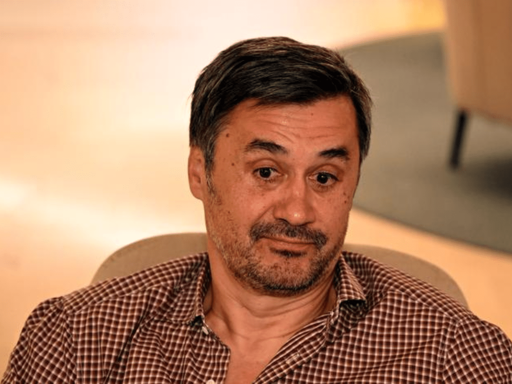
The goalless draw between Belgium and Iran at the 2026 World Cup has turned into a major media crisis off the pitch, following racist remarks made by former Serbian footballer Rade Bogdanović about Black football players.
During his technical analysis of the match, specifically following Belgian defender Nathan Ngui being sent off in the 66th minute, Bogdanović claimed that Black footballers lacked the ability to concentrate for long periods.
The sweeping generalisations, made live on Serbian channel RTS, sparked an immediate outcry across European and Belgian media. The comments were viewed as a clear breach of professional and ethical standards in sports commentary.
Bogdanović has since apologised for his prejudicial comments.
Black football players face unnecessary criticism
Media reports have described the incident as a “media scandal” that rocked coverage of the 2026 World Cup, particularly after the comments were widely circulated across digital platforms.
Media sources also confirmed that Bogdanović refused to back down from his initial stance despite being pressured on air. As a result, he faced increased criticism and the incident has sparked a wider debate about the responsibility of television pundits to promote non-discriminatory discourse.
In Belgium, the comments were deemed offensive and unacceptable, particularly as they targeted a young player such as Nathan Ngui, who was at the centre of the incident that led to the sending-off during the match.
Official apology from Bogdanović and RTS
As the controversy escalated, Bogdanović issued an official statement in which he offered a “sincere” apology for his comments about Black football players. He emphasised his regret for what he said during the live broadcast.
In the same vein, RTS was quick to issue a statement clarifying that Bogdanović is not a permanent employee but a freelance pundit contracted for the duration of the tournament. The station apologised to viewers for what had been broadcast in an attempt to contain the escalating crisis.
Repercussions for the World Cup atmosphere
The crisis coincided with a delicate sporting situation for the Belgian national team, which had secured only two points from its first two matches. This means Belgium needed to win its final group match against New Zealand to avoid an early exit from the tournament.
Conversely, the incident has reignited the debate over media discourse at major tournaments and the limits of technical criticism when it descends into generalisations that target specific groups or ethnicities — something observers have identified as a growing threat to the sport’s global image.
The Bogdanović case reveals that the impact of media comments during football tournaments is no less serious than the events on the pitch itself, particularly when they go beyond technical analysis to make generalised, prejudicial judgements about players.
Featured image via Aleksandar Dimitrijević/ Sportal
By Alaa Shamali
From Canary via This RSS Feed.