

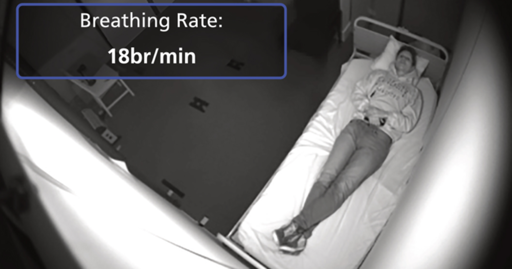
NHS trusts using controversial ‘spy camera’ technology in patient bedrooms are opening themselves up to “clear legal risk”, according to a senior lawyer representing campaigners.
The patient complaints watchdog’s recent ruling in the case of an inpatient in Essex points to wider risks around consent and clinical justification in how trusts are using Oxevision, an AI-powered bedroom surveillance technology linked to at least four inpatient deaths in the UK.
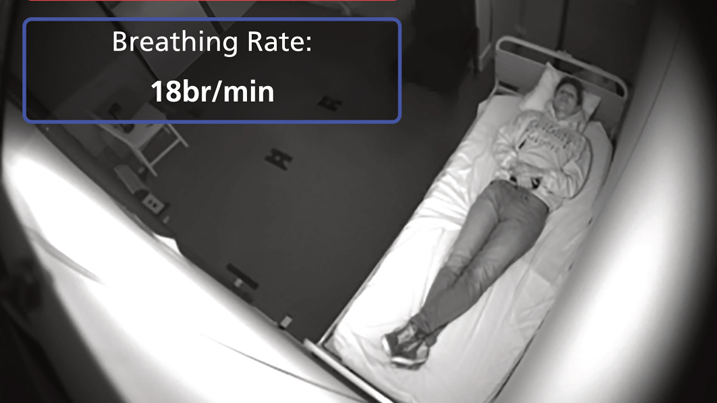
Oxevision films patients 24/7 via an infrared camera, and is currently used in around 40% of NHS trusts’ mental health inpatient services. The cameras are installed in bedrooms, including in children’s mental health wards, where they record live, unblurred video of patients.
Oxevision’s developer, LIO Health (formerly known as Oxehealth), says it increases patient safety and frees up NHS staff time, but patients have described it as “creepy” and “spying”.
The Parliamentary and Health Service Ombudsman partly upheld a complaint in April from a patient – known as Miss B – who was surveilled by Oxevision as an inpatient in Essex.
It found that Essex Partnership University NHS Foundation Trust had failed to seek Miss B’s consent to monitor her with Oxevision, failed to provide adequate information on the tech, failed to turn the camera off when asked, and failed to keep sufficient records to explain how the system was being used in her care.
According to the ombudsman, the use of Oxevision “exacerbated her feelings of anxiety, vulnerability and fear” and it instructed Essex Partnership University NHS Foundation Trust to pay Miss B £925 “in recognition of the impact [she] has suffered”.
Racher Harger, a partner solicitor at law firm Bindmans who is representing survivor-led campaign group Stop Oxevision, highlighted the ombudsman’s findings in this case as “significant” because they “illustrate a pattern of basic safeguards not being met in the deployment of this technology”.
Harger told Novara Media: “There is a clear legal risk that other NHS trusts using Oxevision in similar ways could face comparable complaints where patients are not properly informed, where consent is not meaningfully sought or respected, or where there is inadequate transparency about how the system is used in practice.
“The ombudsman’s decision should not be viewed as an isolated outcome, but as an indication of broader legal exposure.”
Consent is not the only issue with Oxevision, with bereaved families and former patients with lived experience raising concerns about the safety, value and legality of surveillance technology in patient bedrooms, the impact on patient wellbeing and issues of privacy violation.
Oxevision’s manufacturer says the tech allows staff to check patient vitals while minimising disruptions to patient sleep and facilitates “rich data collection”.
There are also overlapping concerns about the intimate involvement of big tech companies like Palantir in the NHS, the risk of patient data being processed for commercial profit and the ethics of mass data collection – including movement and activity from clear video recordings, along with pulse and respiratory readings – from patients who are vulnerable, unwell and often detained under Mental Health Act powers.
The Information Commissioner’s Office has launched an investigation into the company behind Oxevision after campaigners called for an examination of the legality of its collection, processing, retention and access to patient data gained from use in the NHS.
Oxevision was originally marketed for use in detention settings – including by police and in prisons – as a global collaboration between Korean video surveillance giant Hanwha Vision and Oxevision’s manufacturer.
A spokesperson from Essex Partnership University NHS Foundation Trust apologised to Miss B and said changes were being made to its policies on consent.
However, in Harger’s view, “consent is not a cure-all”. She added: “Patients can only give meaningful consent to something that is clinically justified and properly explained in the first place. If there is no clear, evidence‑based reason for filming patients 24 hours a day in their bedrooms, then asking for consent does not resolve that issue, it risks becoming a formality rather than a safeguard.”
A spokesperson for Stop Oxevision told Novara Media: “Miss B’s experience and the compensation she was awarded demonstrates just how egregiously trusts who continue to use Oxevision are acting.
“The use of Oxevision clearly poses ongoing risks to these organisations and we encourage those who have not yet cancelled their contract with the company to do so immediately.”
Essex Partnership University NHS Foundation Trust and its use of Oxevision is also being scrutinised by the Lampard public inquiry into deaths under mental health services. Laura Cozens, head of patient safety at LIO Health, accepted in front of the inquiry that filming a patient 24 hours a day could “constitute a very significant invasion of privacy”.
Bereaved families and participants with lived experience of inpatient care have sought an interim recommendation from the inquiry that the NHS halts its use of the technology. Further evidence about Oxevision’s use on mental health wards in Essex will be heard by the inquiry next month.
LIO Health has been approached for comment.
From Novara Media via This RSS Feed.