

Iranian Parliament Speaker Muhammad Bagher Ghalibaf announced on Monday a bilateral agreement with the United States, brokered in Switzerland and mediated by Islamabad, securing the phased release of $12 billion in frozen Iranian assets and a 60-day U.S. sanctions waiver on crude oil exports, in exchange for Tehran’s commitment to ensure open transit through the Strait of Hormuz and admit International Atomic Energy Agency inspectors.
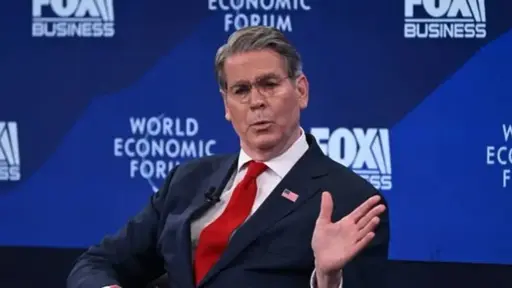
The U.S. Department of Treasury authorized the temporary exemption, effective until 12:01 AM on August 21, 2026, Washington time, suspending sanctions to permit the production, sale, transport, marketing, and discharge of Iranian-origin crude and petrochemicals. The measure extends to previously sanctioned vessels and covers associated banking and insurance services, according to Secretary of the Treasury Scott Bessent.
RELATED: Iran Discards Concessions During Direct Negotiations with United States
The easing aligns with a drawdown in U.S. petroleum reserves, which fell by 9.1 million barrels last week to 331.2 million barrels – the lowest level since 1983 – making Iranian crude inflows particularly relevant to Washington’s energy outlook.
Iran’s negotiator spokesman, Esmail Baghaei, underscored that the agreements on crude sales, export licenses, and fund unfreezing operate under strict reciprocity, mandating that every Iranian action be matched by U.S. compliance.
Iranian Parliament Speaker Mohammad Bagher Ghalibaf says an agreement has been reached with the US to release $12bn in frozen Iranian assets.
Here’s a timeline of sanctions imposed on Iran over the years
LIVE updates: https://t.co/gL7a4Det8q pic.twitter.com/xPHUzjo0Oq
— Al Jazeera English (@AJEnglish) June 23, 2026

Ghalibaf framed the diplomatic breakthrough as an extension of military resistance, asserting that the combination of hard and soft power achieved the lifting of the U.S. naval blockade and secured concessions that purely military means could not have obtained. He warned that any implementation failures would trigger both missile and diplomatic responses.
Citing deep distrust toward Washington, Ghalibaf noted that stringent safeguards and immediate-action clauses were embedded in the deal.
From teleSUR English via This RSS Feed.