

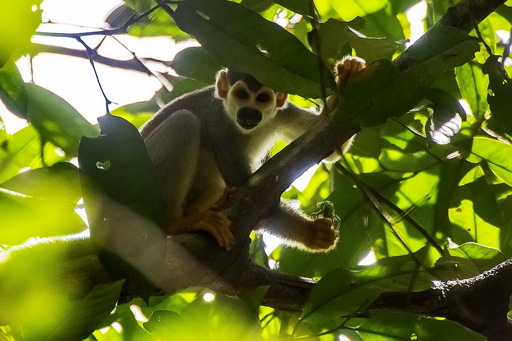
Every year, June 22 marks World Rainforest Day, an awareness day launched by Rainforest Partnership in 2017 to advocate for the immediate protection and restoration of the world’s tropical forests. These ecosystems support at least half of all known plant and animal species. They also regulate rainfall and stabilize the global climate. In 2025, less tropical primary forest was cut down compared to 2024, which was a record high year. In total, records showed a 35% drop in forest cover in 2025, largely led by reduced deforestation in Brazil, which hosts the world’s largest area of rainforest in the Amazon. “A drop of this scale in a single year is encouraging — it shows what decisive government action can achieve,” Elizabeth Goldman, co-director of Global Forest Watch, told Mongabay reporter Hans Nicholas Jong following the publication of its yearly report in April 2026. But the overall trend is still cause for concern: According to the Global Forest Review, the total area of tropical primary forest destroyed globally each year remains “46% higher than a decade ago.” And over the past three years, between 2023-25, “fires burned more than twice as much tree cover as they did two decades ago,” worldwide, the review said. In 2026, temperatures are expected to soar as precipitation falls in key rainforest areas such as the northern Amazon and throughout Indonesia’s Sundaland rainforest due to the upcoming El Niño, predicted to be one of the strongest of this century. In 2021, more than 140 countries pledged…This article was originally published on Mongabay
From Conservation news via This RSS Feed.