

Today we say hasta la vista, baby to prime minister Keir Starmer. Bringing his summer holiday forward, Starmer resigned this morning. The catalyst? Andy Burnham’s unassailable victory in the Makerfield byelection last week.
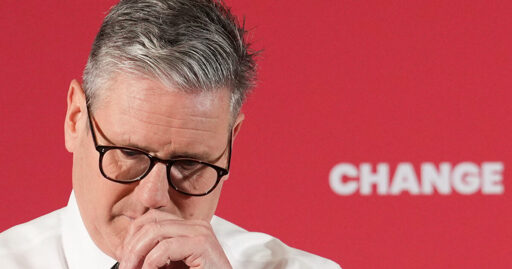
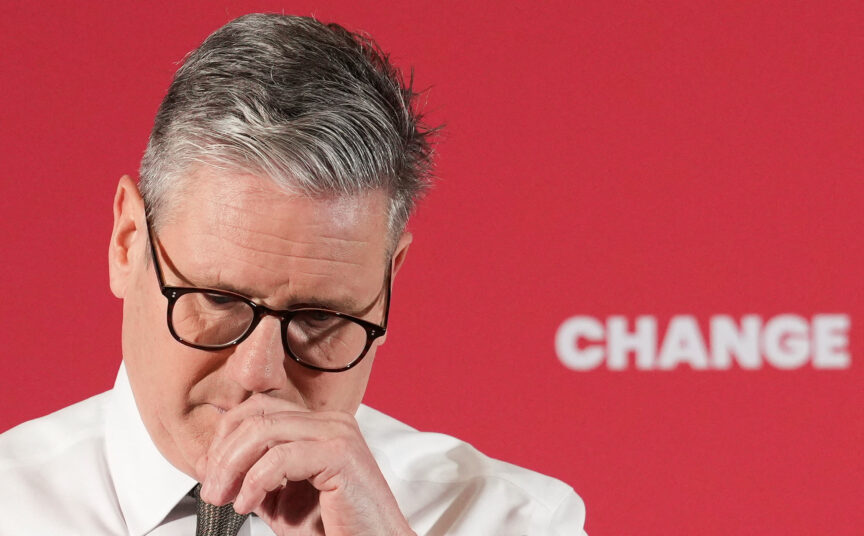
Labour’s future – if it even has one – will bounce back into parliament this afternoon, where it won’t be long before a shadow court forms, with Labour MPs flocking around Burnham on the hunt for big jobs. Announcing a leadership competition outside Downing Street this morning, Starmer favoured a long goodbye over a swift exit, with a new leader in place only by the end of the summer. An emotional Starmer’s voice broke at the end of his speech, as he thanked his wife and children.
Very likely, those will be the only tears shed today.
According to the Financial Times, the PM spent an agonising 72-hours consulting colleagues, his family and his friends about how to construct an orderly exit. Ministers including Yvette Cooper, Shabana Mahmood and Ed Miliband all urged him to set the date of his leaving-do ASAP. Others gave him until Tuesday, when the Cabinet meets. If he’d dithered about going, the Times reported, there would have been resignations.
Politics UK reported there’d also been some sulking, with a Labour source apparently saying this: “He gave everything to Labour, including sacrificing much of his children’s teenage years to help make the party electable. He feels deeply betrayed, especially by those he believed were loyal to him.”
The karma of it all. Perhaps Jeremy Corbyn will be on hand to help him through the agony of a knife in the back?
Starmer’s resignation speech leaned heavily into lofty themes: fairness, respect, “the country I love”. Unsurprising – a kind of grand moral superiority has been a persistent feature of the son of a toolmaker’s brand, one not, it must be said, much reflected in his actions. But it’s those actions, rather than the high-faluting language that serves to cloud them, that’ll be his lasting legacy.
And what a legacy it is. Yes, there have been some wins: renters’ rights, falling NHS waiting lists and better protections for workers. But mostly, it’s been Ls.
At its heart is Gaza, where the most brazen war crimes and crimes against humanity have been carried out by Israel for nearly three years. When, while leader of the opposition, our human rights lawyer in-chief failed to condemn Israel’s actions or even call for a ceasefire in the months after October 7th, some 23,000 members left the party, citing anger over green policy reversals too.
When he approved of Israel’s cutting off of water and electricity to a trapped civilian population of two million people in the enclave, councillors quit en-masse.
That hurt Labour in the 2024 general election, as pro-Gaza independents took seats from his allies. And even in power, he’s alienated hundreds of thousands of voters by persistently budging the dial as little as humanly possible on our relationship with Israel.
From continuing RAF spyflights over Gaza to welcoming Israel’s president Isaac Herzog to Downing Street last year, Starmer has consistently put two fingers up to members horrified by genocide (guess what: that’s most of them).
Destroying the Labour party, and the values that draw people to it, has often appeared to be Starmer’s real project. Impoverished children? Let them go hungry. Poor pensioners? Let them freeze. Those with disabilities? Let’s go full Dickens. All were u-turned or tamed, but the original intentions behind them won’t be forgotten.
Much of that self-harm was inflicted in the name of economic stability. But economic stability, for the Starmer government, has involved both an anxious fixation on the status quo and an eye to being front of the line for scraps falling from the American table. It was that dependence that led to the move that sealed his fate: the appointment of Jeffrey Epstein’s “best pal” Peter Mandelson as British ambassador to the US. “Petey” didn’t last long. Neither did Starmer.
The fact is, Keir Starmer was never the politician to lead the country out of the vandalism that was 14 years of Tory austerity (a phenomenon he declared was “over” in his speech). When he came to power, it wasn’t on the back of a vision for how things could be different, presumably because Starmer and those behind him didn’t see the necessity. Instead, he defined himself against the lowest of bars: not being Liz Truss.
Fiscal responsibility, though, has meant political dereliction. It’s been on Starmer’s watch that Reform UK has surged in the polls. At a time when political vision has mattered more than ever, the meaning of Starmerism – if there even is such a thing – has been out of focus. And that insecurity has manifested in other, dangerous ways.
How else to explain the government’s mad attachment to authoritarian projects like abolishing many jury trials and wielding terrorism law to arrest thousands of pensioners for holding signs?
Andy Burnham will enter parliament with some advantages. He has no big shoes to fill. But the country will expect to see – and pretty swiftly too – a new leader setting significant space between his future and Starmer’s past. Not easy when the parliamentary Labour party is so talentless that even at the end, a dimming Keir still appeared its only star. And made much harder when the Labour back benches are stacked with Starmer-drone MPs selected in the former PM’s image.
“Waste” is the word that best describes Starmer’s legacy. Of opportunity, of energy, of hope. There won’t be many tears for him. Nor, down the road, for Burnham either, unless he learns the lessons of the last two years.
From Novara Media via This RSS Feed.