

Strait of Hormuz closure by Iran raises global alarm as Israeli strikes continue in Lebanon and Tehran demands enforcement of a fragile ceasefire deal.
Related: Strait of Hormuz Sees 25 Ship Crossings After U.S.-Iran Pact
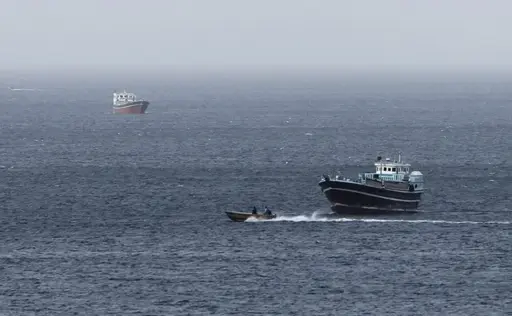
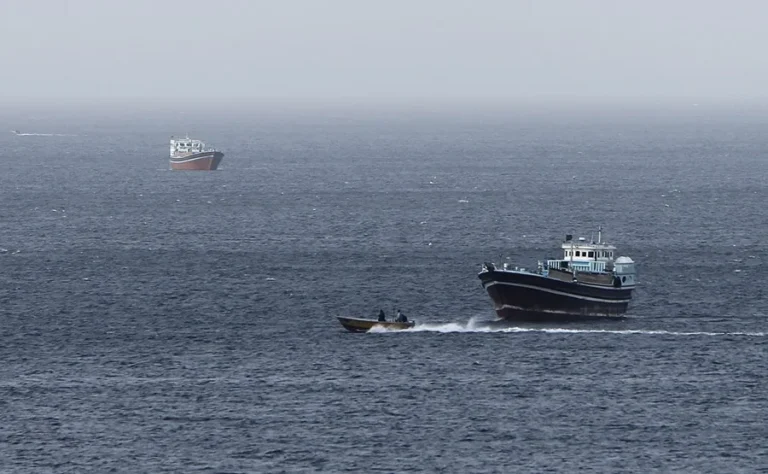
Strait of Hormuz closure became a major geopolitical shock after Iran’s Central Command announced the full shutdown of the key maritime passage, saying the move responds to what it described as a clear breach of the recently signed peace memorandum by the United States. The decision immediately triggered security alerts across major global energy markets.
Strait of Hormuz closure and Iran’s military warning
Iran’s Armed Forces Central Command said the Strait of Hormuz closure was an official military response to the alleged failure by Washington to comply with the first clause of the peace memorandum. Tehran framed the move as a strategic warning after what it called repeated violations of international commitments.
The military leadership also justified the decision by pointing to ongoing armed attacks by the Zionist regime in southern Lebanon. Iranian authorities said occupying forces continue to refuse withdrawal from border areas inside Lebanese territory, deepening tensions along an already volatile front. The closure was presented as the first tactical warning step against what Iran sees as open disregard for bilateral obligations.
At the same time, Foreign Ministry spokesman Esmail Baghaei said a high-level diplomatic delegation will travel to Switzerland to demand strict enforcement of international obligations. That move suggests Tehran is combining military pressure with diplomatic escalation rather than relying on one channel alone.
The impact of the closure is immediate because the Strait of Hormuz is one of the world’s most sensitive energy chokepoints. Any disruption there can affect oil and gas shipments far beyond the region, raising shipping costs and creating uncertainty in global supply chains.
Lebanon attacks and the widening civilian toll
The same day, Israeli airstrikes on the districts of Nabatieh and Saida caused what local authorities described as another massacre of civilians. Emergency teams from the Islamic Health Authority recovered dozens of bodies from the rubble of destroyed homes, including many children and women. The scene reflected the scale of destruction on the ground.
Lebanon’s Public Health Ministry said in its latest official update that the number of people affected by recent attacks continues to rise because of the intensity of the bombardment. The Health Emergency Operations Center also denounced the continuation of massive air raids despite ongoing diplomatic efforts.
Iran argued that the attacks in southern Lebanon are not isolated incidents but part of a broader pattern of aggression that threatens regional stability. Tehran warned that if attacks against Lebanese sovereignty continue, it will plan and take additional immediate military and diplomatic measures. The language signals that the crisis could expand further if no ceasefire holds.
The latest developments also expose the fragility of the ceasefire framework. When one side keeps bombing while negotiations continue, the gap between diplomatic promises and military reality widens quickly, making any truce harder to sustain.
- Lebanon Ministry of Public Health
- UN Office for the Coordination of Humanitarian Affairs
- UN News Middle East
Geopolitical context
Strait of Hormuz closure carries consequences far beyond Iran, Lebanon, or Israel. The passage is a critical artery for global oil exports, so any prolonged disruption would reverberate through energy prices, shipping insurance, and inflation in multiple regions. That makes the situation not only a military confrontation but also a global economic risk.
The crisis also underscores the way Middle East conflicts are increasingly interconnected. Events in Lebanon can now trigger responses in the Persian Gulf, while diplomatic failures in Washington or Europe can influence military decisions on the ground. This interconnectedness raises the stakes for every new attack or countermeasure.
If the confrontation continues, the region could move deeper into a cycle where military pressure, civilian casualties, and economic disruption reinforce one another. That is why the Strait of Hormuz closure is being read not as a single act, but as a warning that the balance of power in the Middle East remains dangerously unstable.
From teleSUR English via This RSS Feed.