

Government says the measure aims to restore normality after seven weeks of road blockades and demonstrations.
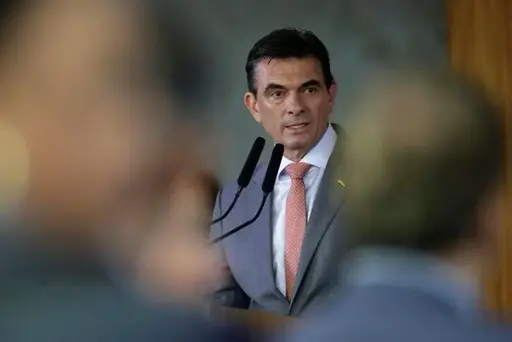
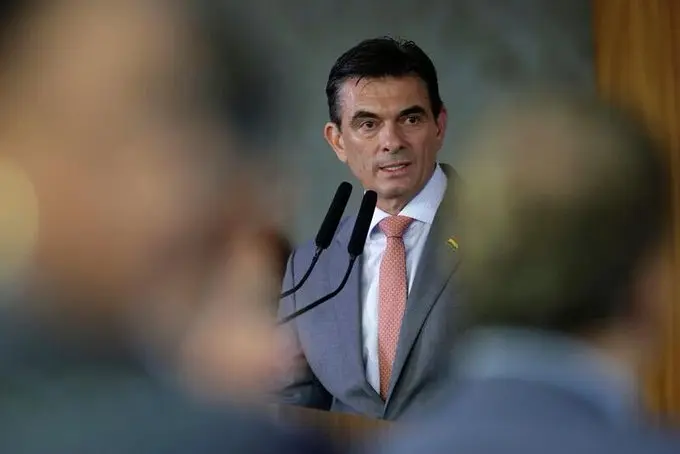
Bolivian President Rodrigo Paz declared a nationwide state of emergency on Saturday following seven weeks of road blockades and protests that have disrupted transportation and affected daily life across the country.
RELATED: Bolivia Government, Labor Federation to Hold Dialogue Talks
Announcing the measure on his official X account, Paz said it “is not intended to take away normality, but to restore it,” arguing that the prolonged road disruptions have undermined the country’s normal functioning.
“The Bolivian people cannot continue to be held hostage by blockades that prevent them from working, studying, receiving medical care, obtaining essential supplies and providing for their families,” the president said.
ESTADO DE EXCEPCIÓN EN BOLIVIA: Pdte. Rodrigo Paz decretó estado de excepción. Ordenó a FF.AA y policía desbloquear. Pidió a la población cooperar en esas tareas. Prometió todo el peso de la ley contra bloqueadores que intentarían un golpe de Estado. @teleSURtv pic.twitter.com/C8R1crB8wA
— Freddy Morales (@FreddyteleSUR) June 20, 2026
Text Reads: STATE OF EMERGENCY IN BOLIVIA: Pres. Rodrigo Paz declared a state of emergency. Ordered the Armed Forces and police to unblock. Asked the population to cooperate in those tasks. Promised the full weight of the law against blockers who would attempt a coup d’état.
Paz reiterated that Bolivia “needs to regain its roads, guarantee supplies and return to normality,” while reaffirming his government’s willingness to negotiate.
“The Government’s doors will remain open to those who wish to engage in dialogue in good faith,” he said.
In a separate address to the nation, the president warned that “those who persist in blocking roads, destroying property, attacking, intimidating or challenging the constitutional order” would face “the legal consequences of their actions.”
He also stated that “the violent will face the full force of the law and all the legitimate power that the Constitution and democracy grant the State to protect its citizens.”
Under the state of emergency, authorities may impose curfews in specific areas and restrict the sale and consumption of alcohol, as well as banking services, in locations affected by blockades or violence.
The government said constitutional rights will remain in force and businesses will be allowed to continue operating normally. The Armed Forces will support the Police in efforts to restore public order.
The declaration comes amid differing responses from organized sectors involved in the protests. The Bolivian Workers’ Central (COB) signed an agreement with the government and suspended its pressure measures, while other organizations, including the Túpac Katari Peasants’ Federation of La Paz, opted to continue their mobilizations.
From teleSUR English via This RSS Feed.