

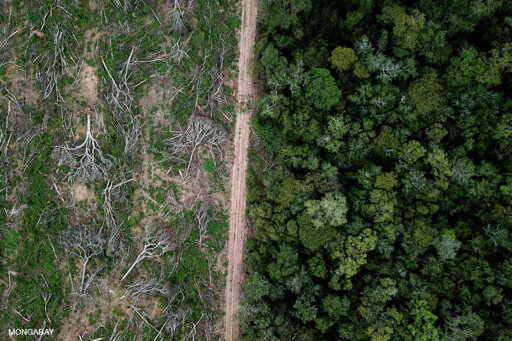
Suriname is being presented with a familiar proposition: foreign agribusiness, whether Brazilian, Mennonite, or otherwise, will modernize agriculture, create jobs, and bring prosperity. It is an appealing narrative. It is also one that has played out throughout tropical America, from Mexico to Mato Grosso. The result has rarely been shared prosperity. Instead, it has often meant felled forest, poisoned water, long-term loss of control over land and resources, and local populations watching the wealth pass through on its way to somewhere else. Suriname should pause before replicating this model. The employment benefits are often wildly overstated. Industrial soy and cattle production are highly mechanized systems designed to minimize labor, often conducted by a skeleton crew running combines and GPS-guided sprayers. A few operators can manage thousands of hectares. The jobs that are created tend to be temporary, low-paid, and sometimes filled by external labor rather than local hires because this business model is predicated on keeping labor costs as close to zero as the machinery allows. In contrast, existing sectors—smallholder agriculture, fisheries, and forest-based livelihoods—support far more people and are deeply embedded in local economies. The environmental risks are even more significant. Large-scale monoculture depends on heavy use of agrochemicals like glyphosate and phosphorus fertilizer, applied in huge quantities. These inevitably enter river systems, including those that provide drinking water and food for a large part of Suriname’s population. Fish — the primary protein source for many communities — are directly affected. A brutal imbalance is created: beef and soy…This article was originally published on Mongabay
From Conservation news via This RSS Feed.