

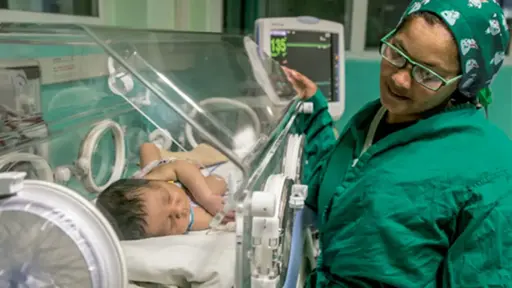
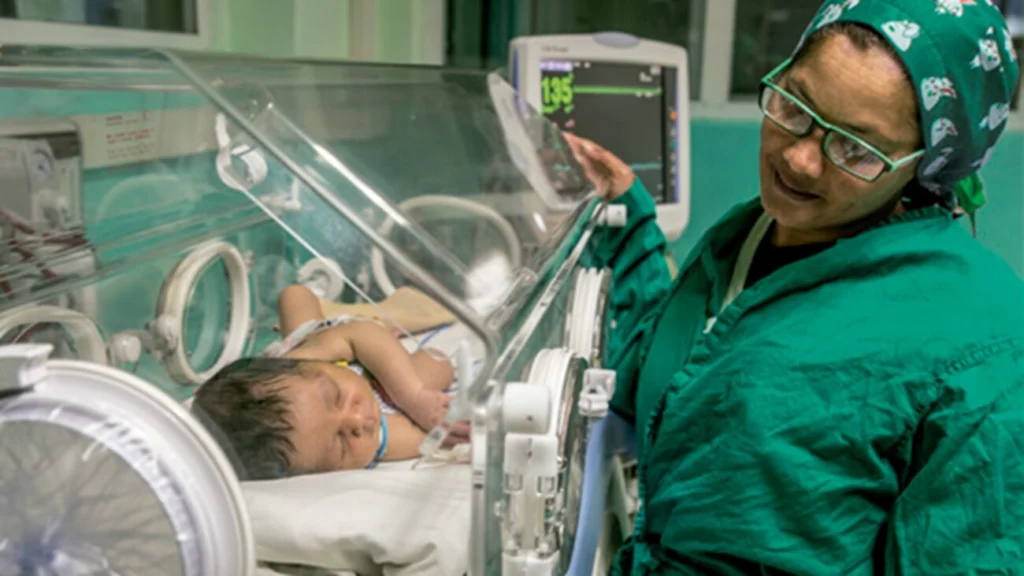
The rate rose from 4.0 per 1,000 live births in 2017 to 9.9 in 2025.
On Wednesday, the Center for Economic and Policy Research (CEPR) reported that the tightening of the U.S. blockade against Cuba has a direct impact on children’s health. The infant mortality rate has doubled, rising from 4.0 per 1,000 live births in 2017 to 9.9 in 2025.
RELATED:
Cuba Receives Vessel with Humanitarian Aid from Colombia
These figures represent the loss of approximately 1,800 children due to a lack of essential medical resources. Meanwhile, the survival rate for children with cancer has fallen from 85% to 65% due to energy shortages, which affect the operation of hospitals and medical equipment.
The Ministry of Public Health (MINSAP) reports that some 12,000 children are awaiting elective or reconstructive surgeries, within a national waiting list that exceeds 100,000 patients, including more than 5,000 cancer cases.
The National Immunization Program, which includes 16 vaccines, faces risks due to a lack of raw materials and equipment. Furthermore, 300 of the 395 essential medicines are in short supply, and production of diagnostic tools for early cancer detection has been halted.
Dr. Dayana Couto Núñez, President of the Cuban Society of Gynecology and Obstetrics, explains how shortages of medicines, technology and fuel are affecting maternal healthcare and newborns in Cuba: “Neither our women nor our children are to blame.”. pic.twitter.com/NbXdBKrksc
— Belly of the Beast (@bellybeastcuba) June 5, 2026
The energy crisis has led to blackouts lasting more than 20 hours a day, affecting cooking, access to drinking water, and communications. More than 100,000 children have stopped receiving their daily subsidized liter of milk, and rationed bread has been reduced from 80 to 60 grams due to flour shortages.
The report denounces that 170 containers of essential goods, 11,000 tons of food from the World Food Programme (WFP), and shipments from UNICEF and UNDP remain stranded in ports or are being distributed slowly.
The executive orders of January 29 and May 1 extended the extraterritorial effects of the blockade, prompting the departure of foreign corporations such as Sherritt International, Blue Diamond, Melia, and Iberostar, as well as the disruption of shipping services by companies like CMA CGM and Hapag-Lloyd.
#FromTheSouth News Bits | With artists from 38 countries and a wide-ranging cultural program, Cuba will host the Second International Biennial of Political Humor until June 14. pic.twitter.com/3PtFOGzqR2
— teleSUR English (@telesurenglish) June 11, 2026
teleSUR: JP
Source: EFE
From teleSUR English via This RSS Feed.