

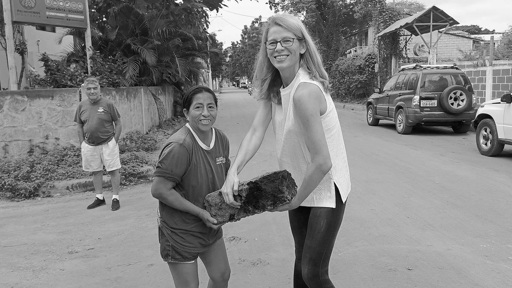
The sea at Montañita draws people who are passing through. They come for surf, sun, music, and a stretch of Ecuador’s coast that has long sold itself as free-spirited and easy. Some stay longer. They open small businesses, learn the workings of the communes, put children into local schools, and begin to notice what visitors can afford to miss: the sewage that is not properly treated, the public works that arrive without answers, the land whose ownership becomes uncertain, and the turtles whose nesting beaches are treated as available ground. For a woman from northern Poland, the change of country became something more durable than expatriate life. Ecuador was where she made a home, ran a hostel, raised two daughters, and became part of Santa Elena’s disputes and loyalties. Monika Silva Koniuszek, who was found dead on June 8th at her home in Montañita, was 41. The circumstances of her death remain under investigation. In the weeks before she died, she had spoken publicly of warnings that there was a plan to kill her. She had alerted authorities and sought protection. After her death, Polish diplomats, the European Union, human-rights groups, and the Inter-American Commission on Human Rights called for a thorough and independent inquiry. Her path to public life did not begin with a grand cause. It began with things that belonged to daily life. Montañita’s unfinished or inadequate sewage system troubled her. So did the way beaches, mangroves, public land, and basic services seemed to pass through…This article was originally published on Mongabay
From Conservation news via This RSS Feed.