

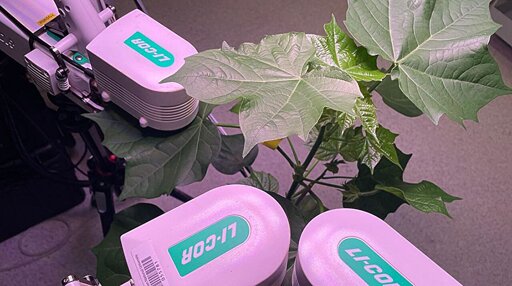
Researchers at The Australian National University (ANU) have uncovered a mechanism that helps plants continue photosynthesizing under extreme heat and dry air conditions—a finding that could improve how scientists predict the effects of climate change on crops and ecosystems. The study is the first to successfully separate the effects of heat and air dryness on photosynthesis across different carbon dioxide (CO2) levels, which could have significant practical implications for agriculture by helping improve crop management strategies and strengthen food security.
From Biology News - Evolution, Cell theory, Gene theory, Microbiology, Biotechnology via This RSS Feed.
You must log in or # to comment.