

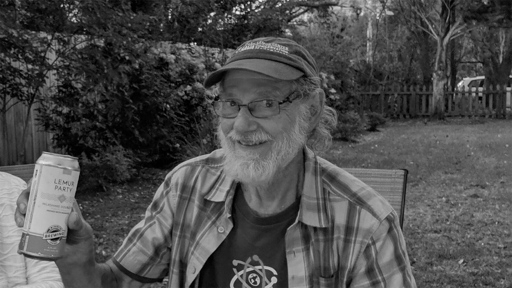
In the American South of the late 1950s, segregation was part of the daily architecture. Airports had separate facilities. Restaurants barred Black customers or served them apart. Schools, buses, waiting rooms, and lunch counters carried the same instructions. The system depended on law, custom, and the expectation that most white people would accommodate it. Resistance often began with small acts that carried real costs. A professor might drive arrested students back to campus. A family might refuse to send its children to segregated schools. A group of faculty members might walk toward a restaurant door together and be met in the parking lot by men who intended to stop them. The work required patience, and it also required a willingness to be arrested, disliked, and misunderstood. Peter Klopfer, who died on June 5th at 95, spent nearly seven decades at Duke University as a zoologist, teacher, and builder of institutions. He helped develop behavioral ecology, studied mother-offspring bonding, and co-founded the Duke Lemur Center, which became the world’s largest collection of lemurs outside Madagascar. He was also the named plaintiff in a Supreme Court case that extended the Sixth Amendment right to a speedy trial to state courts. The civil-rights defendant and the lemur scientist were the same man, formed by the same habits of attention and conscience. He was born in Berlin in 1930 and raised in a German immigrant family in the United States. He attended Friends schools and later studied at UCLA and Yale. At UCLA he…This article was originally published on Mongabay
From Conservation news via This RSS Feed.