

The Iranian Ministry of Foreign Affairs confirmed on Monday, June 15, the finalization of a Memorandum of Understanding (MoU) with the US to end the war on all fronts in the region, including the Israeli aggression in Lebanon.
Iran claimed the draft of the agreement formally ends the war against the country which began after the US and Israel jointly launched unprovoked attacks on Tehran and other cities on February 28.
The war, which killed several of Iran’s top leaders, including then-Supreme Leader Seyyed Ali Khamenei and over 3,300 other Iranians, took on a regional character after Iran’s retaliations against Israel and US bases in various countries in the region.
The agreement to end the war, also known as the Islamabad Memorandum of Understanding, will be officially signed by the two parties on June 19 in Geneva, Switzerland, Press TV reported.
Pakistani Prime Minister Shehbaz Sharif announced the finalization of the deal on Sunday afternoon.
Pakistan has been mediating the peace talks between the US and Iran since mid April, when the two parties first announced a ceasefire.
The finalization of the deal was also confirmed by US President Donald Trump in a social media post on Sunday.
No formal text of the MoU has been shared in public by any of the parties yet.
Talking to the media, Kazem Gharibabadi, deputy foreign minister of Iran, underlined that starting from June 15 at midnight “the US naval blockade against Iran will be terminated” and there will be an “immediate and permanent end of the war and military operations on various fronts, including Lebanon.”
According to Iranian Fars News, the MoUl also includes the Israeli withdrawal from the occupied territories of Southern Lebanon.
Earlier on Sunday, Gharibabadi had also claimed that the signing of the MoU would initiate a 60-day period, in which the implementation of three major conditions by the US will be observed:
- the end of the war on all fronts, including Lebanon
- lifting the US naval blockade
- the release of billions of dollars of Iranian funds frozen in overseas accounts
After the end of the 60-day period, the talks over other issues would resume and if the agreements in the first phase are observed completely then the second phase of negotiations on issues, such as the removal of all US sanctions on Iran, the withdrawal of anti-Iran resolutions adopted by the UN Security Council or the IAEA Board of Governors (BoG), Iran’s nuclear program, and its reconstruction program would begin.
The price of oil, which had recently spiked to its highest point after fresh US strikes against Iran on June 10-11, are now reportedly tumbling sharply. An over 5% drop in oil prices has brought the cost per barrel down to about $80.
Peace deal is welcomed, but doubts remain
Iran’s Khatam al-Anbiya Central Headquarters, issued a statement on Monday hailing the resilience of the Iranian people in forcing the “wretched American and Zionist enemies … to accept defeat and surrender.”
Confirming the finalization of the deal, Trump announced the immediate lifting of the US naval blockade. He also claimed that the MoU will lead to the end of the Iranian blockade on navigation through the Strait of Hormuz from Friday.
However, contrary to Iranian claims, CNN quoted certain US officials who denied the MoU will lead to the release of billions of dollars of Iranian funds frozen in overseas accounts for years.
Israel also announced its refusal to abide by the agreement signed between the US and Iran. Itamar Ben Gvir, far right minister in Benjamin Netanyahu’s government, demanded the complete dismantling of Hezbollah first.
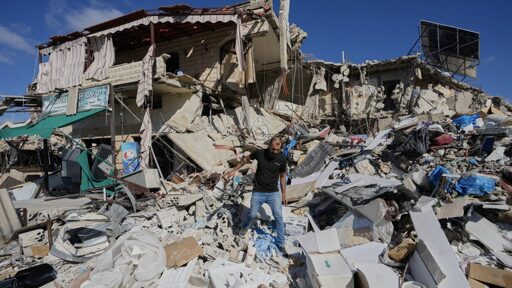
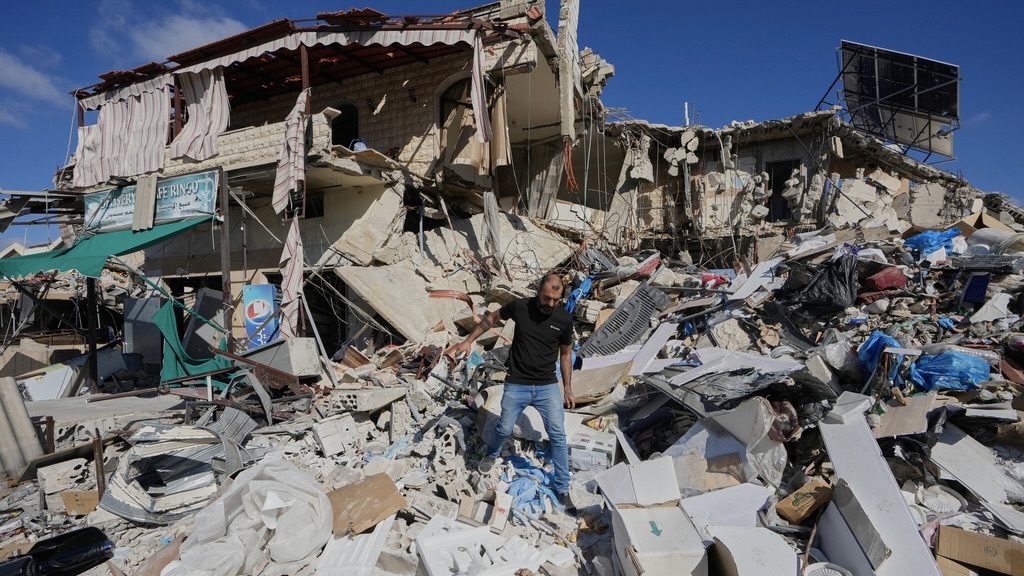
Israeli forces continue to launch fresh attacks on Southern Beirut on Monday, hours after the declaration of the finalization of the deal was made by Trump and Iran.
On Sunday, following the fresh Israeli attacks, Trump had criticized Netanyahu calling him a “very difficult guy” to deal with. However, there is no report on his reactions to the fresh Israeli attacks on Lebanon on Monday.
Iran has repeatedly made it clear that the end of war includes all fronts, including Lebanon, otherwise there will be retaliation against US assets in the region.
Iran has maintained that Israel cannot take any military action in the region without the support of the US and therefore if the Israeli attacks on Lebanon continue both Israel and the US would be held responsible.
Iranian Foreign Minister Abbas Araghchi repeated his country’s position during phone conversations with various regional and global leaders on Monday, claiming the US has primary responsibility in implementing the agreement, including stopping Israel from launching attacks on Lebanon. At least 3,700 people have been killed and one million displaced in Lebanon since March, due to Israeli aggression.
Meanwhile, the announcement of the agreement has also been welcomed by most countries across the world.
On Monday, China thanked Pakistan for its successful mediation and expressed hope that the final agreement will be signed as planned and “all relevant parties will stay committed to peaceful solutions.”
UN Secretary General António Guterres also welcomed the news of the signing of the agreement, calling it a “critical step” towards resolving all major disputes.
Guterres also thanked Pakistan and other mediators for playing constructive roles in the development of the peace deal.
Kaja Kallas, EU foreign policy chief, termed the agreement a “potential breakthrough” to address deeper and critical issues such as Iran’s nuclear program and expressing hope that the agreement would ease the world energy crisis.
elevation , June 15, 2026
From BT News via This RSS Feed.