

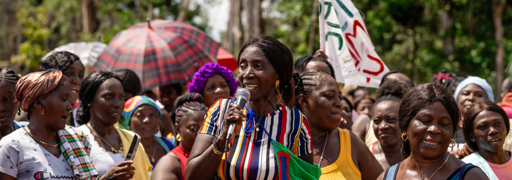
Suriname remains an outlier in the Amazon Basin: more than 90% of the country is still covered by rainforest, making it one of the few nations in the world that remains a net carbon sink. But a wave of development proposals — from large-scale agriculture and Mennonite farming settlements, to mining projects and new carbon market initiatives — have raised questions about how the country will manage its natural wealth. Mongabay journalist Maxwell Radwin examines how these plans could reshape Suriname’s forests by documenting debates over land use plans, and the efforts of Indigenous and Maroon communities to defend their ancestral territories amid long-standing disputes over land rights.This article was originally published on Mongabay
From Conservation news via This RSS Feed.
You must log in or # to comment.