

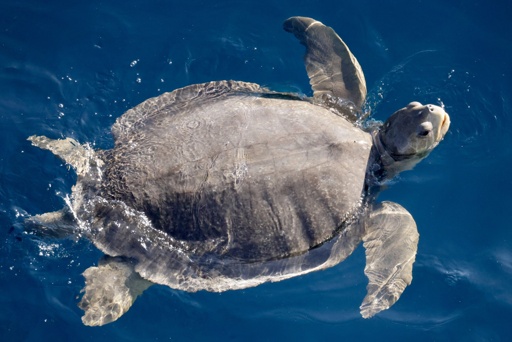
Founder’s Briefs: An occasional series where Mongabay founder Rhett Ayers Butler shares analysis, perspectives and story summaries. For the Karajarri people of Kimberley in northwestern Australia, the coastline, reefs, wetlands, beaches and desert-edge country form one estate, held through law, memory, work and obligation. That relationship now has new recognition, reports Mongabay’s John Cannon. In March, the Karajarri dedicated Karajarri Jurarr Ngurra, Australia’s first Sea Country Indigenous Protected Area. It covers 237,489 hectares (nearly 587,000 acres) of marine and coastal ecosystems, including part of Malumpurr, the Karajarri name for Eighty Mile Beach. The area is rich in life. Flatback turtles (Natator depressus) nest along the shore of Malumpurr. Migratory birds use the wetlands. Sawfish swim through nearby waters. These species are often recorded through science, surveys and management plans. The Karajarri know them through long presence, close observation and responsibility passed across generations. The new protected area builds on three decades of legal and political work. The Karajarri first secured recognition of their land claims. They then established a land-based Indigenous Protected Area and developed a ranger program. Sea Country protection is the next step. It gives formal weight to an existing relationship. Jesse Ala’i, formerly the Land and Sea Country manager for the Karajarri Traditional Lands Association, put it simply: “In order to have healthy Country, you need healthy people.” The reverse is also true. “Healthy people need healthy Country,” he added. Australia’s Indigenous Protected Areas now account for more than half of the country’s progress toward protecting 30%…This article was originally published on Mongabay
From Conservation news via This RSS Feed.