

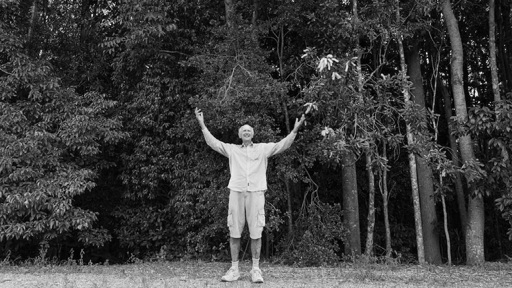
On the far north coast of New South Wales, the old rainforest had mostly disappeared. The Big Scrub once covered about 75,000 hectares of rich basalt country, a lowland subtropical forest of figs, vines, palms and fruit doves. By the time modern conservationists took stock of it, little more than one percent remained, divided among small patches on farms, roadsides and reserves. Weeds pressed in from the edges. Cattle and clearing had done the rest. What remained needed legal protection, science, money, landholders, seedlings and years of follow-through. It also needed someone who could make committees matter. Rainforest restoration can sound gentle, a matter of saplings and goodwill. In the Big Scrub it required persistence of a less decorative kind. Private landholders had to be brought in. Government agencies had to be pressed. Botanists, bush regenerators, nursery owners, donors and volunteers had to keep working together after the first enthusiasm had passed. The work was local, technical and repetitive. It suited Tony Parkes. Tony Parkes. Photo by Kim Honan / ABC North Coast He came to it late. Born in Hobart, he grew up close to bush and estuary. Later came science, business management and investment banking. He retired at 56 after a successful career in Sydney, and might have chosen a comfortable retirement. Instead he and his wife Rowena bought land in the Northern Rivers, learned the history of the Big Scrub and began planting rainforest on their own property. A private restoration project became a second public life.…This article was originally published on Mongabay
From Conservation news via This RSS Feed.
great article about an interesting life journey. thanks for sharing!
