

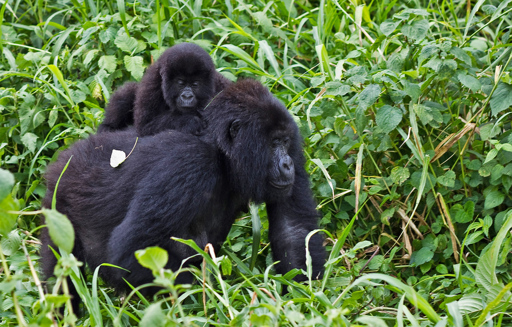
As human cases continue to climb in the latest outbreak of the deadly Ebola virus in the Democratic Republic of the Congo, concern is growing for the gorilla population, which have been devastated by the virus during previous outbreaks. On May 15, the Congolese Health Ministry announced a new outbreak of the lethal virus, which has struck the country at least 17 times over the past half-century; the World Health Organization (WHO) declared it a Public Health Emergency of International Concern. The U.S. Centers for Disease Control and Prevention confirmed 676 Ebola cases in the eastern DRC and 136 deaths as of June 10 — and continue to rise. In neighboring Uganda, 19 cases and two deaths have been reported, with no new cases in the last days. So far, the outbreak seems to be largely contained within the region. The Bundibugyo virus is the culprit, one of five Ebola viruses within the family Filoviridae that spark illness in people. It has no approved treatment or vaccine. As cases mount, virologists — as well as ecologists and primatologists — are warily monitoring its spread. First discovered in humans in 1976 along the Ebola River (where it got its name), Ebola is highly contagious, and this virus can also sicken and kill gorillas and other non-human primates. While some symptoms are flu-like — fever, vomiting and diarrhea — the disease can progress to a gruesome, often-fatal hemorrhagic fever, causing both internal and external bleeding. Previous outbreaks have exacted vast human death…This article was originally published on Mongabay
From Conservation news via This RSS Feed.