

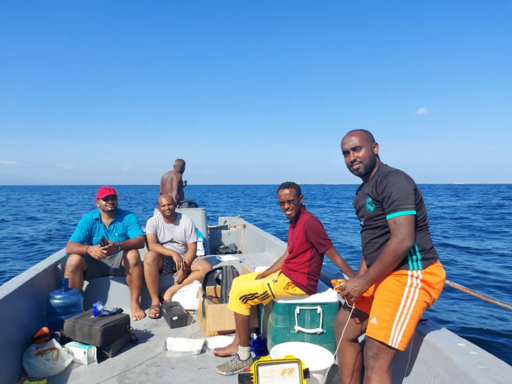
Common medications that billions of people take for ailments like pain, fever and infections were detected in several sites along Djibouti’s Gulf of Tadjourah in East Africa, according to a recent study. Researchers found that untreated urban wastewater contained dangerous concentrations of anti-inflammatory medicine like ibuprofen, caffeine, and the antiepileptic drug carbamazepine, which were contaminating Djibouti’s coastal ecosystem. They also detected the presence of levofloxacin, an anti-tuberculosis antibiotic, and 12 other pharmaceutical and personal care compounds. The Gulf of Tadjourah is an important marine biodiversity hotspot that is home to coral reefs, mangroves and fish nurseries. Djibouti City, home to more than 70% of the country’s population, borders the gulf. “One particularly surprising finding was the relatively high ecological risk associated with some common everyday pharmaceuticals, especially ibuprofen and caffeine,” lead author of the study Abdillahi Elmi Adaneh, an environmental chemist at the regional Observatory for Research on the Environment and Climate (ORREC) in Djibouti, told Mongabay by email. “These compounds are often perceived as ‘ordinary’ substances, yet they were among the main contributors to ecological risk in the coastal waters we studied,” he added. Ibuprofen was among the most concerning substances detected, Adaneh said. At one sampling site, where urban and hospital wastewater are dumped in the water, the team found ibuprofen concentrations hundreds of times higher than levels considered safe for aquatic organisms. “[Ibuprofen] can disrupt several biological functions in marine organisms, including reproduction, growth, enzymatic activity, and physiological responses,” Adaneh said. “Invertebrates, fish, and algae are particularly…This article was originally published on Mongabay
From Conservation news via This RSS Feed.