

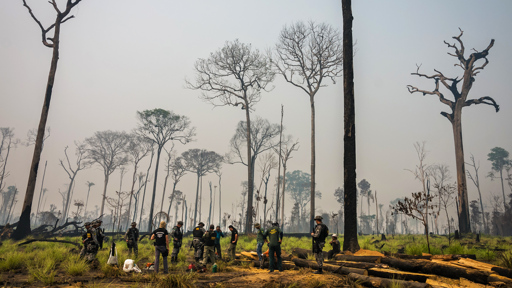
A ruling by Brazil’s Supreme Court has given new momentum to one of the most controversial infrastructure projects in the Brazilian Amazon: The Ferrogrão railway. The plan is to link Sinop, in the grain-producing state of Mato Grosso, to the port of Miritituba in Pará, a key commodity export hub on the Tapajós River. Conceived by the agribusiness sector to reduce grain transportation costs, Ferrogrão is a priority project for President Luiz Inácio Lula da Silva’s administration, despite warnings about its potential impacts on Indigenous territories and protected forests in an Amazon region already under significant socio-environmental pressure. In May, the justices upheld a 2017 law that removed 862 hectares (2,130 acres) from Jamanxim National Park, a conservation unit located in Pará state, to allow Ferrogrão to pass through the protected area. The initiative had been challenged on the grounds that Brazil’s Federal Constitution requires a formal law to reduce the size of protected areas, rather than the conversion into law of a provisional measure issued by the executive branch. “The STF decision does not give the green light to the Ferrogrão project, which still must undergo environmental studies and the licensing process,” said Alice Dandara de Assis Correia, an attorney at Instituto Socioambiental (ISA), a nonprofit that advocates for environmental and Indigenous rights. “But the courts have ruled that specially protected areas can be altered through an expedited process, an extremely dangerous shortcut that could pave the way for Congress to approve similar changes in other protected areas facing…This article was originally published on Mongabay
From Conservation news via This RSS Feed.