

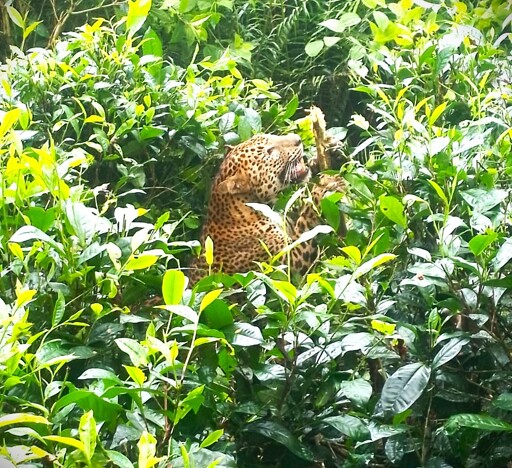
COLOMBO — The mist-covered tea estates, forest patches and mountain valleys of Sri Lanka’s hill country support some of the country’s most important leopard populations outside protected areas. Yet the same landscapes have emerged as the deadliest places for the threatened big cats of Sri Lanka. A new study analyzing 17 years of leopard mortality records has found that nearly 40% of recorded leopard deaths occurred within a single district of Sri Lanka’s Central Highlands, the tea-growing Nuwara Eliya, which accounts for only 4.4% of the species’ estimated range. The study, published in Wildlife Letters, documented 164 human-caused leopard deaths between 2008 and 2024. Most of the victims were adult males, with adults accounting for 87.3% of deaths, out of which 68.4% males made up 68.4% of that adult population. With fewer than 1,000 mature leopards believed to remain in Sri Lanka, deaths of adult leopards are raising concerns for the species’ long-term survival, as deaths of breeding-age individuals, even modest increases in adult mortality, can have significant impacts, said Sanjaya Weerakkody, lead author of the study and a postdoctoral fellow at Xishuangbanna Tropical Botanical Garden. The majority of recorded deaths were of males, also problematic as the males maintain large territories overlapping with multiple females, which could lead to destabilize local populations, Weerakkody told Mongabay. A rare image of a mating leopard pair captured by a camera trap in the tea fields of Sri Lanka’s Central Highlands highlights that the human-dominated hill country tea landscape is habitat for Sri…This article was originally published on Mongabay
From Conservation news via This RSS Feed.