

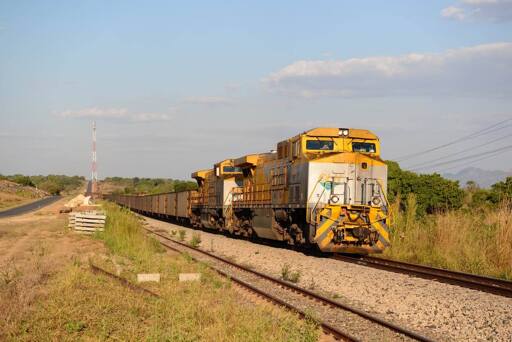
Up until 10 years ago, large sections of the road linking Malawi and Zambia to the Indian Ocean port of Nacala would become nearly impassable during the rainy season, with potholes, damaged bridges and traffic bottlenecks causing long delays along this regional transport artery across northern Mozambique. The Mozambique government has carried out major upgrades to transport infrastructure, but this may have come at the cost of accelerating deforestation across the region. Between 2017 and 2022, the African Development Bank (AfDB), the Japan International Cooperation Agency (JICA) and the World Bank financed major transportation upgrades along the Nacala Corridor, centered on the 912-kilometer (565-mile) rail line linking coal mines in western Mozambique with ports on the Indian Ocean, as well as road upgrades, to lower costs and improve regional trade connections with Malawi and Zambia. “This project reduces the ‘penalty of remoteness’ that poorer households pay,” Romulo Cunha Correa, Mozambique country manager for the African Development Bank, told Mongabay in an interview. The AfDB has prioritized improvements to road and rail infrastructure across the continent, also backing projects linking Cameroon to the cities of Brazzaville and Kinshasa on the Congo River, and South Sudan to Indian Ocean ports in Kenya. But researchers studying this expansion of infrastructure have warned that the road upgrades can intensify deforestation and habitat loss. Women walk past a fish pond in Moatize, in Mozambique’s western province of Tete, in 2011. Image by Peter Fredenburg via Flickr (CC BY-NC-ND 2.0) Manuel Mario Nazare, a conservationist with…This article was originally published on Mongabay
From Conservation news via This RSS Feed.