

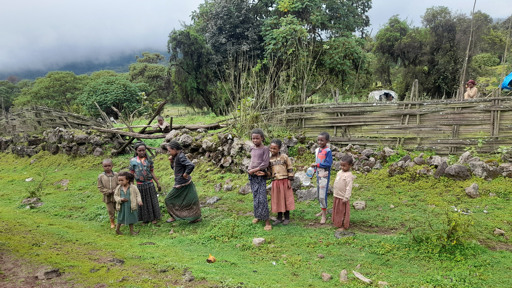
A new study published in the journal Nature shows that Ethiopia’s protected areas successfully slowed deforestation, limited agricultural expansion and helped maintain grasslands. But the study also suggests the same conservation gains may also be linked to declines in food security and wellbeing for nearby communities — while underlining some caveats in their findings. The study, conducted through collaboration between researchers in Ethiopia and the UK, and the Ethiopian Wildlife Conservation Authority, assessed both environmental and social outcomes across 25 protected areas in Ethiopia during the period 2000–2020. They measured forest cover, agricultural expansion, grasslands, food security, dietary diversity and material wellbeing. While protected areas were broadly effective at reducing environmental degradation despite mounting pressures from population growth, agricultural expansion, and land demand, the researchers found “trade-offs” between environmental and social outcomes in their assessments. Twelve of these protected areas experienced positive environmental performance at the cost of social wellbeing. Meanwhile, five of the protected areas had “win-win” outcomes for biodiversity and social outcomes and three protected areas had “lose-lose” outcomes. “Ethiopia is exceptionally biodiverse, but also faces major challenges around poverty, food security and demand for land,” said Sophie Jago, lead author of the study and research assistant at the Royal Botanic Gardens, Kew in the UK. “The fact that protected areas are delivering measurable benefits for nature in this context is important … The difficult finding is that these environmental gains have come with costs for nearby communities, particularly around food security.” A ranger discusses with community members…This article was originally published on Mongabay
From Conservation news via This RSS Feed.