

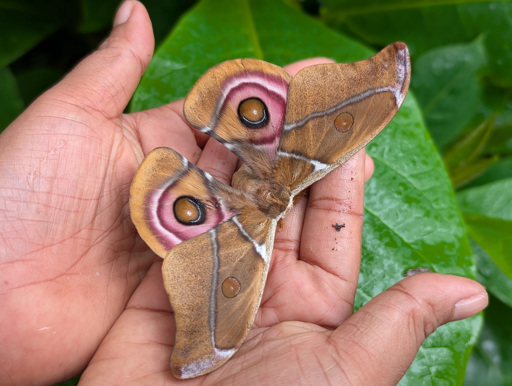
When Catherine Craig first went to Gombe in 1972, she was not thinking about silk. She was an undergraduate in a four-seat plane with Jane Goodall, flying over the Tanzanian forest where Goodall’s work on chimpanzees was changing how scientists understood animals. Craig spent six months there, learning to recognize individual chimpanzees and helping track mothers and infants through the steep woodland above Lake Tanganyika. The forest stayed with her. So did the sight of people living nearby with few choices, and the later realization that even forests thought to be protected could disappear. Her path back to conservation was indirect. Craig became a biologist of spiders and silk, earning a Ph.D. in ecology and evolution from Cornell and later joining the biology faculty at Yale. For two decades, she studied webs, foraging behavior, insect flight, and the properties of silk. It was work at the level of fibers, mechanics, and evolution. Yet the question that had formed at Gombe remained: how could habitat be protected where people had few ways to earn money? The answer she pursued was both plain and difficult. If farmers could earn income from native silk-producing caterpillars and the plants that fed them, then habitat might become something worth tending. The idea drew on her scientific expertise, but it also required skills that science had not taught her: product design, marketing, patience, and the ability to listen across languages, cultures, and expectations shaped by past disappointments. Borocera cajani Vinson, 1863 family Lasiocampidae. Adult moth, caterpillar…This article was originally published on Mongabay
From Conservation news via This RSS Feed.