


Ten U.N. officials are calling on Russia to immediately release Daria Egereva, an Indigenous international climate advocate, and her colleague Natalia Leongardt, both of whom have been jailed for six months on terrorism charges, ahead of a key court hearing this week.
Egereva, who is Indigenous Selkup from Russia, is co-chair of the International Indigenous Peoples Forum on Climate Change, which represents Indigenous peoples’ perspectives at United Nations gatherings. Russian authorities arrested her and Leongardt on December 17, just weeks after Egereva returned from the COP30 climate conference. Leongardt, a former intern at the U.N. headquarters in Geneva, has spent her career working on educational programs for Indigenous peoples in Russia.
The two face accusations of participating in a terrorist group due to their past involvement in the Aborigen Forum, an informal network of Indigenous advocates that the Russian government shut down two years ago. But U.N. experts say they’re concerned the arrests are reprisals for participating in U.N. meetings and are part of a broader shift in Russia to crack down on civil society freedoms including Indigenous activism.
“We urge your Excellency’s Government to immediately and unconditionally release Ms. Egereva and Ms. Leongardt from detention, to drop all charges against them as stemming from their peaceful human rights activities, and to ensure that they are able to continue their legitimate human rights work and their cooperation with the United Nations’ bodies and mechanisms without fear of intimidation or reprisals,” read the letter from the U.N. officials, who included the U.N. special rapporteurs for the environment, Indigenous peoples, and human rights in the context of climate change.
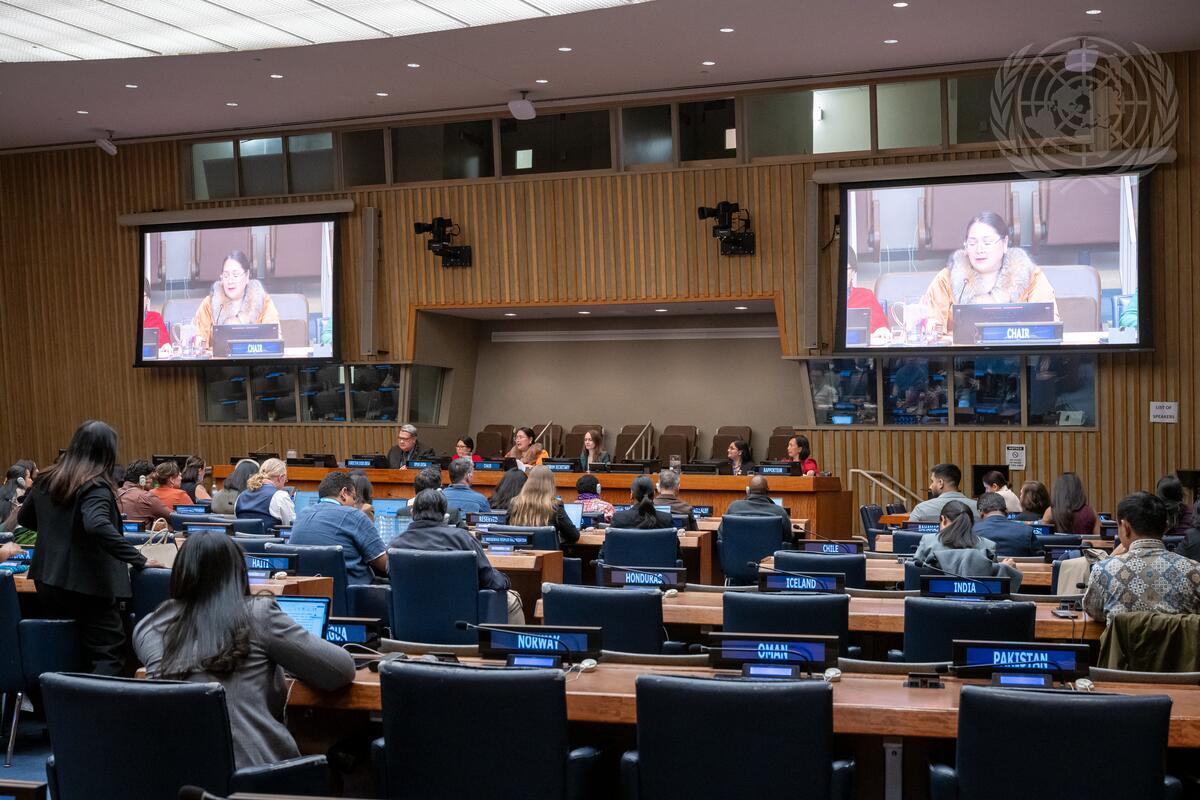
Their letter, sent in April, was made public last week by the U.N. Russian officials do not appear to have responded. Egereva and Leongardt are expected to appear in court on Thursday in Moscow, where they could be sentenced to as long as two decades in prison. Their imprisonment has brought international condemnation, with more than 100 organizations calling for their release at April’s U.N. Permanent Forum on Indigenous Issues in New York City.
Egereva in particular has been a fixture in international climate discussions and was arrested in December shortly after returning from COP where she spoke publicly on the importance of having more Indigenous women participate in climate talks. “Women are one of the most vulnerable groups within Indigenous peoples, so we are working to ensure that Indigenous women are included in all climate negotiations affecting their rights, and their interests, and their priorities,” she said at COP on November 21.
Read Next
The uncertain future of the UN’s leading voice on Indigenous rights
Egereva was expected to be in Germany this week for the Bonn Climate Change Conference, where officials are preparing for another COP climate gathering this fall. Her incarceration prompted the International Indigenous Peoples Forum on Climate Change to vote Tuesday to extend Egereva’s term, making her a third co-chair until her release. That unprecedented move was made in solidarity with her detainment, as typically there are only two co-chairs.
The U.N. officials wrote that since her arrest in December, Egereva has been denied regular phone calls and visits with her husband and children. “Over recent months, she has only been able to see her husband at three court hearings, during which Federal Penitentiary Service of Russia (FSIN) officers prohibited any personal communication or contact,” their letter said.
The same officials are worried not only about the conditions that Egereva and Leongardt are enduring, but also the impact their detainment could have on U.N. participation. “We are concerned about the chilling effect on Indigenous advocacy, international cooperation and engagement with the United Nations, and human rights defenders’ work that their prosecution is prone to generate,” the letter states.
Friends and colleagues of Egereva and Leongardt say that their work exemplified routine advocacy on behalf of Indigenous peoples and was not extremist or reflective of the “terrorism” allegations.
“We want everyone to see that they are part of a huge network and that the work they’ve been doing is completely legitimate, completely within regular diplomatic channels,” said Kate Finn, a citizen of the Osage Nation and executive director of the Tallgrass Institute who has worked with Egereva at the U.N. “It’s being framed by the Russian government as terrorist activity, but it’s activity that Indigenous women do every day for the U.N. system these days.”
This story was originally published by Grist with the headline UN officials urge Russia to free Indigenous climate advocate on Jun 10, 2026.
From Grist via This RSS Feed.