

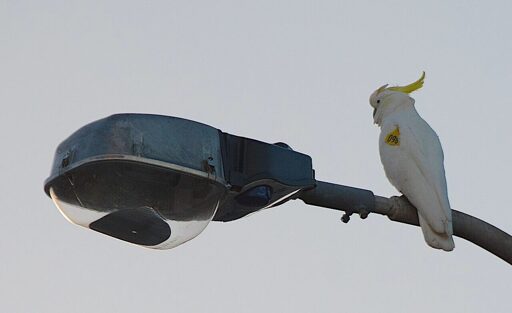
Cities are expanding faster than at any point in human history, and wildlife is adapting in remarkable ways. We often talk about visible changes like animals becoming bolder, shifting their diets, or altering their daily rhythms to avoid people. But there is a deeper transformation happening inside their bodies, one that conservation science has barely begun to address: The reshaping of the gut microbiome. Urban ecosystems expose animals to a completely different set of pressures than their natural habitats. Artificial light, chronic noise, pollution, and human-derived food sources all interact to shape the physiology of wildlife rapidly. These pressures don’t just influence behavior from the outside, they alter the microbial communities that regulate digestion, immunity, stress responses, and even cognition, making key components of how animals evolve and adapt as “pressure cookers,” reducing diversity and decreasing overall health. When the microbiome becomes disrupted, a state known as dysbiosis, animals may become more anxious, more risk-taking, or more susceptible to disease. Urbanization is forcing this rapid adjustment of species not just through habitat loss, but by fundamentally changing their microbiota, and with that, things like foraging patterns and predator avoidance. In other words, urbanization may be shaping wildlife behavior from the inside out. Mule deer in Banff, Alberta. Image by Sharon Hahn Darlin via Wikimedia Commons (CC BY 2.0). Yet conservation strategies rarely consider this internal dimension. We focus on green spaces and habitat restoration, which are essential, but overlook how environmental stressors affect the microbial health of the animals we…This article was originally published on Mongabay
From Conservation news via This RSS Feed.