

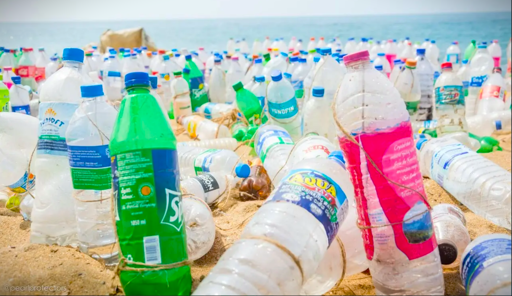
COLOMBO — Sri Lanka banned the purchase and use of single-use plastic water bottles in all government institutions effective May 31, under a new government circular that targets reduction of wasteful plastic consumption within the state sector. The move is the latest in a long line of attempts by the island nation to reduce plastic pollution — a crisis that clogs waterways, pollutes beaches, harms marine life, and overwhelms the country’s fragile waste management systems. But environmentalists say the real question is not whether Sri Lanka can announce another ban, but whether it can be enforced. The new directive applies to public institutions and is expected to reduce the routine use of disposable plastic water bottles during government meetings, events, offices and official functions. Authorities are encouraging reusable alternatives and better drinking water infrastructure within public institutions, says Kapila Rajapaksha, the director-general of the Central Environmental Authority (CEA), the state agency mandated to address plastic pollution. Sri Lanka’s plastic problem is growing exponentially. The National Plastic Waste Inventory (NPWI) published in 2024 has estimated the island’s municipal plastic waste generation to be approximately 250,000 metric tons per year. Sri Lanka recycles only about 27,000 metric tons of plastic waste annually, roughly 11% of total plastic waste generated. An estimated 68,000 metric tons, or 27% of plastic waste, remain uncollected and are often burned, buried or illegally dumped. Approximately 101,000 metric tons or 41% of the plastics go unaccounted from the waste management system during collection, transport, sorting and disposal. According…This article was originally published on Mongabay
From Conservation news via This RSS Feed.