

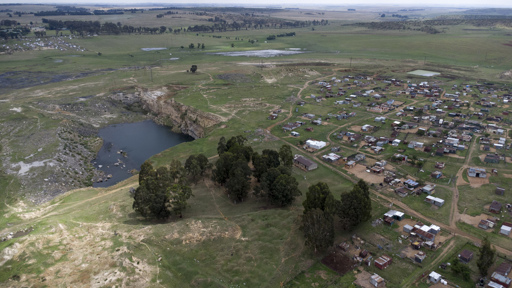
As South Africa transitions away from coal-fired electricity, hundreds of former coal mines are turning into abandoned dumping sites for waste and polluted water, which a new report warns will continue to contaminate surrounding land and waterways for decades. Nor is the South African government taking action to force mine owners to clean them up, environmentalists told Mongabay. South African law requires mining companies to set aside money to clean up and restore the land after mining ends – either in trusts or through bank or insurance guarantees. But a report by the Centre for Environmental Rights found that none of the 412 coal mines that closed between 2006 and 2023 had enough money set aside to pay for the full cost of rehabilitation. The full extent of the problem is unknown as the government has failed to keep any records of mines that closed in 2008, 2010, 2012, 2013, and 2021, the report said. Mining companies must clean up and rehabilitate mines, pay for the damage, and remain responsible until the government officially signs off on the closure, according to the regulations. But most mines do not keep enough money aside to cover even a fraction of the rehabilitation costs, according to the report, titled “No More Ghost Towns : Lessons From Mpumalanga’s Mine Closure Crisis” and released May 22 in Johannesburg. With more than 100 coal mines and most of the country’s aging coal-fired power stations, the Mpumalanga region is the center of South Africa’s fossil fuel-based power…This article was originally published on Mongabay
From Conservation news via This RSS Feed.