

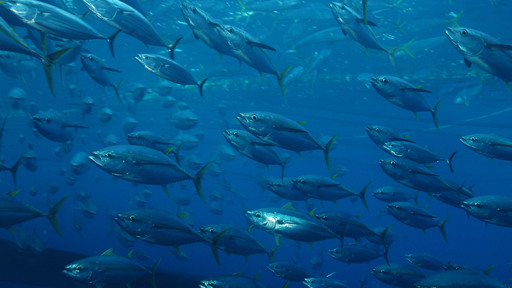
Tuna offer a useful case study for World Ocean Day because their recovery has come through the least sentimental parts of conservation: quotas, enforcement, stock assessments, and years of difficult diplomacy. By the early 2010s, several tuna stocks were in serious trouble. Atlantic bluefin had become a marker of overfishing. Pacific bluefin had fallen to a small fraction of its historic abundance. The risk was ecological and commercial. Governments were looking at the possible collapse of one of the world’s most valuable fisheries. The response was slow, contested, and often technical. Regional fisheries bodies tightened catch limits, improved monitoring, began adopting automated harvest rules, and expanded electronic catch-documentation systems to make illegal and unreported fishing harder to hide. Fleets built around high catches had to accept lower quotas. The politics were difficult because the countries involved often had competing economic interests. That is part of what makes the outcome worth studying. Atlantic bluefin are showing strong signs of recovery, backed by decades of tagging, catch data, and population modeling. Pacific bluefin reached a key rebuilding target years ahead of schedule. Across commercial tuna fisheries, a much larger share of global catch now comes from stocks assessed as being at healthy levels. This does not mean the oceans have returned to abundance. Some stocks, particularly Indian Ocean yellowfin, remain in poor condition. Rebuilding to 20% of historic biomass is a critical scientific milestone for safety, not total restoration. Bycatch of sharks, turtles, and seabirds remains a serious problem, and some regional…This article was originally published on Mongabay
From Conservation news via This RSS Feed.