

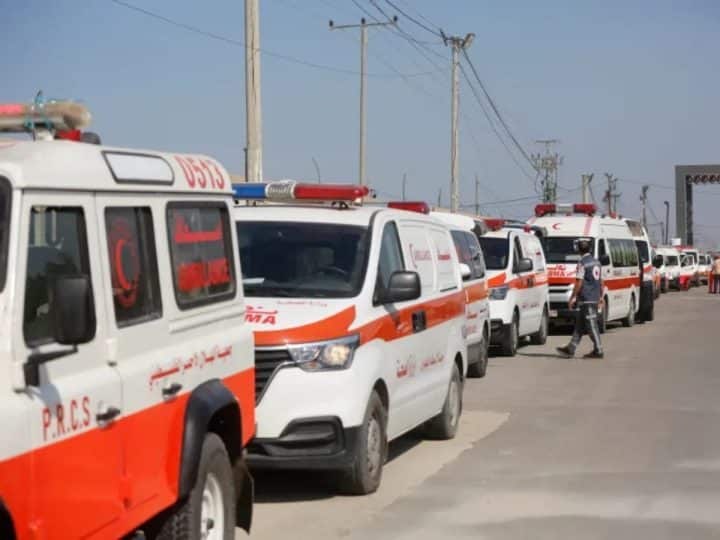
Palestine — The Palestinian Ministry of Health, based in Ramallah, has raised serious concerns about major shortages of medicines and essential medical supplies.
A third of essential medicines not available, hundreds more at critically low levels in Palestine
It says that a significant portion of items on the Essential Medicines List are no longer available. Over a third are completely out of stock and hundreds more running critically low. Altogether, more than 726 medicines and medical consumables have run out in Ministry storage facilities.
This is already having a direct impact on patients. Over 4,000 people with cancer are now at risk because they cannot access the treatment they need. Thousands of dialysis patients are also affected. In terms of cancer care alone, more than half of the usual medications are unavailable. More broadly, around 180 essential medicines are no longer in stock.
In Palestine, the shortages are not limited to medication. Hospitals are struggling with a lack of basic but vital supplies. Dialysis filters are in short supply, making it harder to carry out regular treatment sessions. There are also not enough surgical sutures, particularly the specialised ones required for delicate procedures like heart surgery. And this is affecting how prepared operating rooms can be. In addition, an absence of items like catheters and stents have led to delays in certain heart-related procedures.
Financial crisis for the Palestinian Authority as Israeli occupation has suspended all tax revenues
According to the Ministry of Health, laboratory services are under pressure too — with dozens of lab materials completely unavailable. This has led to healthcare services being severely disrupted.
Since the beginning of 2026, around 19,500 operations have taken place, but more than 11,000 scheduled surgeries have had to be postponed because of a shortage of supplies and ongoing labour issues. In comparison, during 2025, around 65,000 surgeries were carried out. At the same time, many people with chronic illnesses have been unable to access regular care or attend specialist clinics.
According to the Ministry, the financial situation is a key factor behind the crisis. Under the 1994 Paris Protocol, Israel collects customs, VAT, and other taxes for the Palestinian Authority (PA). But since early 2024, Israel’s criminal finance minister, Bezalel Smotrich, has fully suspended the transfer of these tax revenues. They amount to about 600 million to 700 million shekels (around £150 million- £180 million) every month. These funds would normally make up around 60-70 percent of the PA’s budget.
Without these revenues to the PA, payments to suppliers have been delayed or stopped. This has disrupted the delivery of medicines and weakened overall stock levels, especially for critical treatments.
The Ministry says its total debt has now reached about 3.8 billion shekels, including 1.3 billion shekels owed to suppliers. This has put additional pressure on those providers, making it harder for them to continue delivering what the healthcare system needs.
Palestinian Ministry of Health calling for urgent international support
Despite these problems, the government says it is trying to manage the situation by focusing on urgent cases, using available resources as efficiently as possible, and working to secure additional supplies. But it has warned these efforts will not be enough if the financial situation does not improve.
At the same time, it has called for urgent international support. The Ministry has asked global organisations, donor countries, and humanitarian groups to step in, both by helping to secure the release of withheld revenues and by providing direct assistance to the health sector. It has also called on the Israeli occupation to meet its responsibilities under international law.
The situation in Palestine is even more severe when viewed alongside the conditions in the Gaza Strip, where healthcare services are already under extreme strain due to shortages of medicine, fuel and equipment, as well as widespread damage to facilities and exhausted medical staff. Needs there continue to rise while resources remain limited.
The Ministry of Health says it needs the equivalent of almost £40 million to cover a year’s supply of life-saving medicines, along with another £40 million for other essential treatments. It is also asking for financial support to cover healthcare workers’ salaries, which total about £15 million each month, and for assistance to help suppliers and service providers continue operating and to settle outstanding debts.
Featured image via Aljazeera
By Charlie Jaay
From Canary via This RSS Feed.