

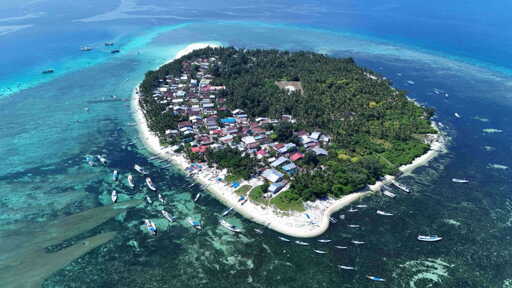
Across the small islands of eastern Indonesia that lie within the Wallacea region, one of the world’s richest marine biodiversity regions, coastal communities are reviving ancient customary systems to safeguard marine ecosystems from destructive fishing and habitat loss. This movement is the centerpiece of Jejak Wallacea, a recent documentary highlighting how local empowerment can succeed where top-down conservation often fails, reports Mongabay’s Hans Nicholas Jong. The film features initiatives across four provinces: East Nusa Tenggara, South Sulawesi, Southeast Sulawesi and Central Sulawesi. These communities have turned to locally rooted methods of reverse biodiversity loss, such as seasonal fishing closures, customary sanctions and mangrove restoration. In Solor, East Nusa Tenggara, residents established traditionally protected marine areas that they refer to as “marine granaries” (kebang lewa lolon) to restore coral reefs and created turtle hatcheries. They are also moving away from harmful blast fishing. “What we chose was conservation, but based on local wisdom,” Vero Lamahoda, director of the local foundation Yayasan Tanah Ile Boleng that is supporting the communities in the transition, said in the documentary. In Southeast Sulawesi, the village of Wabula employs a customary system called Kaombo, which regulates access to traditionally protected areas like seagrass beds and mangroves. Violators face customary fines or rituals like Kaleo Leo, where suspects are dunked into the sea, and the individual who surfaces first is considered the guilty party. Similarly, communities on Langkai and Lanjukang islands in South Sulawesi utilize periodic closures of marine areas for octopus fishing to allow populations to…This article was originally published on Mongabay
From Conservation news via This RSS Feed.