

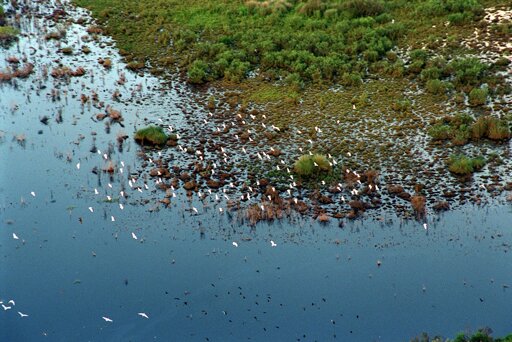
Waterlogged land areas such as marshes, bogs and fens are the world’s largest natural source of methane. Even the smallest of wetlands emit this powerful greenhouse gas. In a study from The University of Texas at Austin, researchers have identified tens of millions of easily overlooked small wetlands across the globe and found that they have a substantial collective impact, accounting for 24% of the world’s total non-forested wetland emissions of methane. This research is published in Nature Climate Change.
From Earth News - Earth Science News, Earth Science, Climate Change via This RSS Feed.
You must log in or # to comment.