

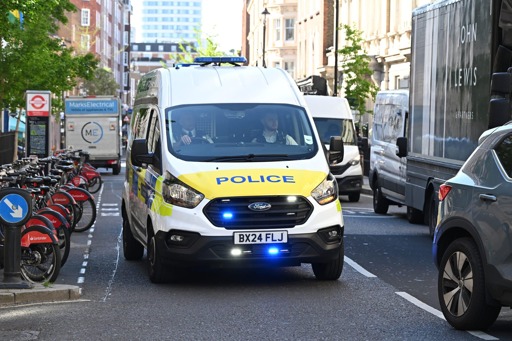
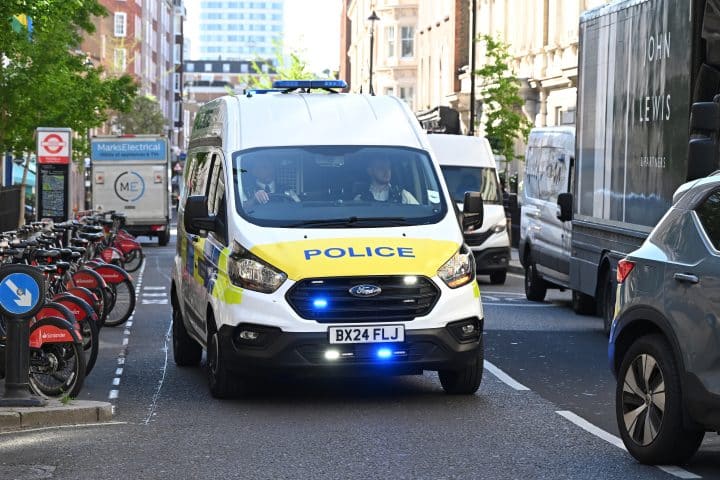
The Chief Constable of Hampshire Police told the BBC that the footage of officers arresting Henry Nowak while he lay bleeding from stab wounds left him feeling as “distressed” as the wider public.
Officers handcuffed Nowak and read him his rights despite his obvious injuries. Ultimately, the court sentenced his killer, Vickrum Digwa, to a minimum of 21 years in prison for the murder. Prosecutors will soon continue proceedings against Digwa’s mother for allegedly concealing the knife used in the attack.
However, it has clearly emerged that police officers failed to respond appropriately to Nowak’s injuries despite his repeated pleas for help, and he subsequently died from those wounds. His death adds to a growing list of cases in which poor judgment and failures in duty of care during police arrests have contributed to tragic outcomes.
Coming just weeks after another fatal arrest in Northern Ireland, where security personnel ignored a man’s distressed pleas during an unduly forceful restraint, this latest preventable death once again places the conduct, judgment, and accountability of those exercising authority under intense scrutiny.
The chief constable of Hampshire police has apologised to the family of Henry Nowak for the student being handcuffed and arrested as he lay dying.https://t.co/AOmAulfk51
— BBC Breakfast (@BBCBreakfast) June 3, 2026
Police say Nowak not treated differently – and they’re right
As is pretty typical, the response from white supremacist, far-right politicians like Farage to the tragic and avoidable death of Henry Nowak has been to further stoke racism in British society. Subsequent white riots in Southampton, with the hashtag #FarageRiots trending across social media, underscore the violent and disruptive agenda at the heart of far-right politics.
This race-baiting and incitement of white riots from the far-right came despite an emotional plea from Nowak’s father stating:
We do not want his death to be used to create further division, hatred or tension. We want his story to help make our streets safer for everyone.
This is not about Sikhism. This is not about racism.
In practice, however, Farage and his supporters have exposed what many would regard as a ‘two-tier’ racist mentality within a small but vocal section of the public.
While police forces continue to reject allegations of two-tier policing, these hateful individuals often dismiss or ignore incidents in which police officers injure, mistreat, or kill members of marginalised communities, yet demand accountability when similar events affect people they identify with. Their selective concern reveals a double standard that has little to do with justice and everything to do with identity.
Apparently, the notion of a two-tier policing system is only a concern when it helps to stir up racial hatred against Black and Brown people – otherwise, they couldn’t really care less.
Chief Constable Alex Boon has told the BBC that he did not agree with Farage’s allegation that the police operate on a two-tier model of policing, saying that he sees daily how police officers do their job for all communities.
Nevertheless, the video has rightfully “distressed” the chief constable – as it has the British public, saying:
What was filmed there is a tragedy, an absolute tragedy. You can’t help but be affected by it. It’s very difficult to watch.
I really feel for the family of Henry at this time.
White supremacists now saying policing is racist
Whilst disputing that UK policing as a whole is racist, Boon did acknowledge that racist individuals do work within the police. As a result, the issue then arises of why the allegation of racism might have been believed so easily – and that’s pretty simple to understand: racism is absolutely rife in the UK.
Moreover, racism is rising – and set to rise even further, thanks to the disgusting likes of Farage’s Reform and white supremacist thugs like Tommy Robinson.
Chief Constable Alexis Boon of Hampshire Police has rejected claims of “two-tier” policing.
Speaking to @JasonFarrellSky, he said he does not believe UK policing is “racist” – but conceded that “there are racist individuals within policing”.
Read more: https://t.co/3zNWvf2jk9 pic.twitter.com/GU6D1ikUcI
— Sky News (@SkyNews) June 3, 2026
On the other hand, there have been a significant number of examples where the police have harmed – or killed – arrestees, and the common factor between those has indeed been the colour of the ‘offenders’ skin.
Clue: they were not white.
Therefore, it stands to reason that a possible reason for this fatal misjudgment by attending officers is the very fact that racism is thriving across the UK. Allowing that racism to fester, multiply and become even more commonplace only invites further tragic incidents affecting everybody stopped by the police.
After all, if racism was not as plausible as it has been for far too long, then there may have been more doubt shown by the police themselves. Furthermore, Digwa is not the first aggressive offender to attempt to hide his violent offence – that avoidance of accountability is pretty standard amongst male aggressors.
Surely then, this underscores the need for genuine humility from the police, the British public, politicians – and we’d hope, far-right actors like Reform UK.
Needless to say, we won’t hold our breath as Farage and Zia Yusuf seem hell bent on risking further tragedies off the back of the horrendous grief that Nowak’s family are living through.
Hate increasing against Sikh community in Southampton
As often happens when individuals exploit tragedy to inflame racial tensions, members of Southampton’s Sikh community have reported a rise in hostility and intimidation. Some have altered their daily routines out of fear of being targeted, while police have increased patrols around Sikh places of worship and community buildings in an effort to deter further incidents.
However, policing alone cannot address the deeper problem. When public figures, activists, or online trolls direct sinister hostility towards entire ethnic or religious communities, they can legitimise prejudice and even worse, embolden those willing to act on it.
Increased patrols may help deter immediate threats, but they cannot undo the damage caused when inflammatory rhetoric fuels undue fear, division, and acts of intimidation against people.
This risk and unbridled anger on show on our streets is undoubtedly causing fear amongst vulnerable marginalised groups, as well as women. After all, a huge proportion of Farage and Robinson supporters have a history of domestic abuse, and their sense of authoritative supremacy is seen against women too.
Ultimately, anger and hate never leads to any sort of positive outcome – and the British public would be wise not to be baiting into it.
Featured image via Getty/Leon Neal
From Canary via This RSS Feed.