

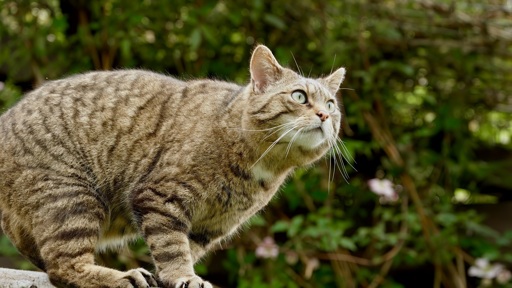
Founder’s Briefs: An occasional series where Mongabay founder Rhett Ayers Butler shares analysis, perspectives and story summaries. The European wildcat is not one conservation story, but several. In the Czech Republic’s Lusatian Mountains, the signs are encouraging. Conservationists have found a male and female wildcat, which they named Jonáš and Tonka, the first recorded in the region in nearly a century. Tonka has since given birth to at least three kittens. For a species once pushed out by habitat loss, persecution, and the spread of domestic cats, that is a meaningful foothold, reports contributor Sean Mowbray for Mongabay. The animal itself is easy to overlook. The European wildcat (Felis silvestris) is roughly the size of a large housecat and lives mostly out of sight in forests. The species, found across Europe, is listed as least concern on the IUCN Red List. That label can make the picture look simpler than it is. Yet its fortunes vary sharply from place to place. In parts of Central Europe, wildcats are moving back into former habitat as forests recover and hunting pressure has fallen. Germany and France show what can happen when habitat protection, legal safeguards, and time line up. Italy, too, has seen enough progress for the species to be downlisted nationally. Elsewhere, the picture is much more fragile. In Scotland, the wildcat was declared functionally extinct in the wild in 2018. A breeding and release program in Cairngorms National Park, in the Scottish Highlands, is now trying to rebuild a population…This article was originally published on Mongabay
From Conservation news via This RSS Feed.