

For months I’ve been wondering what a social media feed would look like without all the Americans. It’s certainly no major observation that US discourse often dominates those platforms, at least in the English language, and even those of us outside the country itself are still sucked into the hour-by-hour developments of their dysfunctional political and social system in a way they would never pay attention to our own countries.
On a platform like X or Threads, that would be quite difficult to achieve. But for all Bluesky’s problems, it does allow users to build their own custom feeds. So, the other night I took a half hour and did just that: made a feed with all the people I was following who are not based in the United States. I called it simply “Non-US follows.” To say it’s a more peaceful feed would be an understatement.
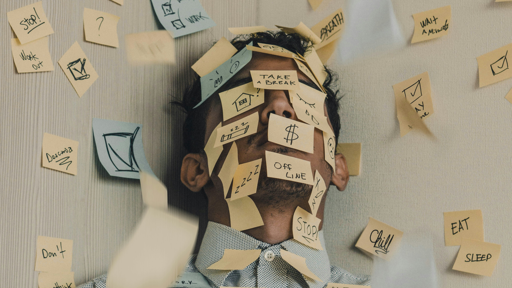
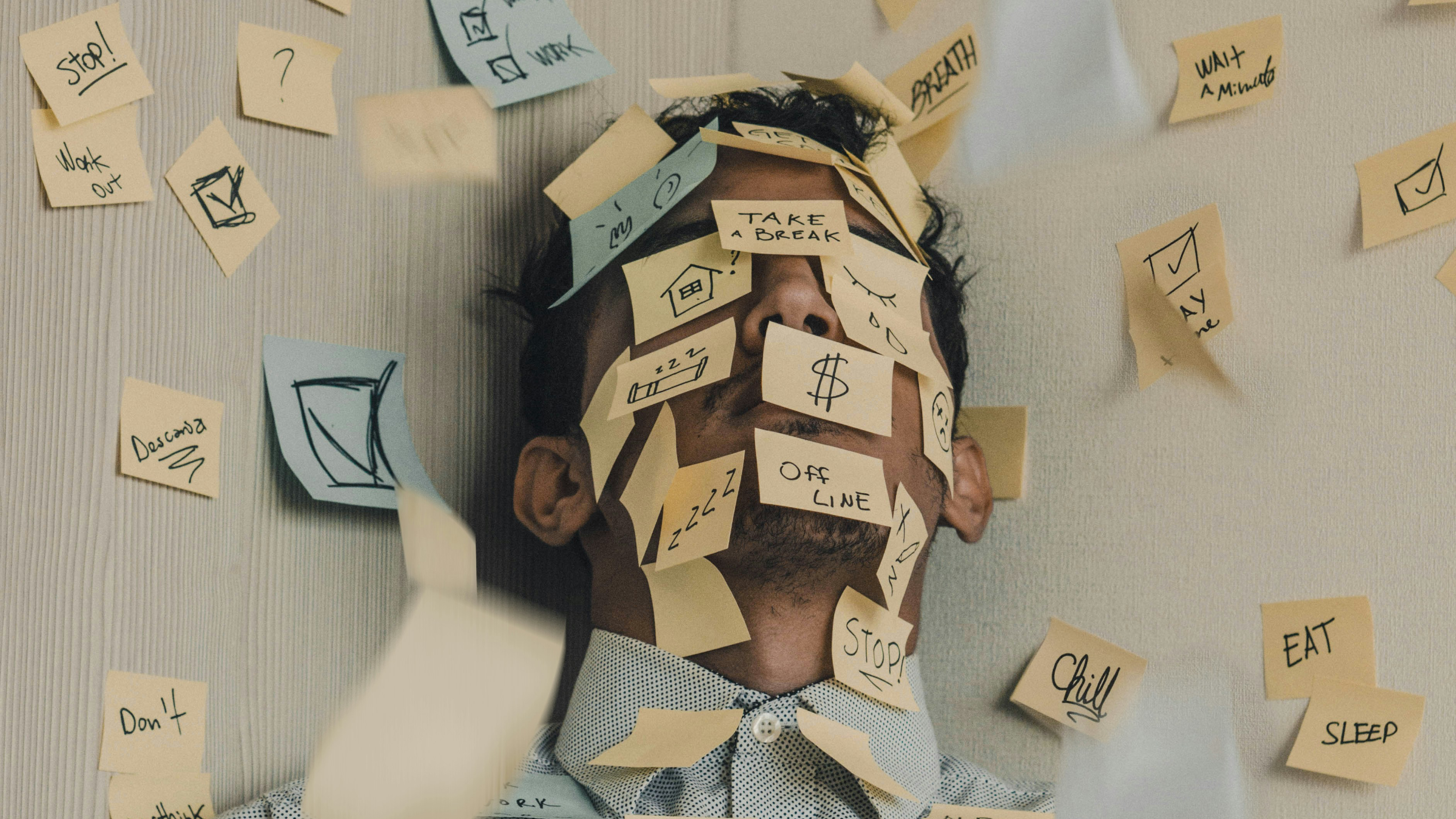
I think it could be easy to see that effort as inherently anti-American or motivated by a desire not to not have to witness some of the worst instantiations of the United States’ decline into an authoritarian police state. But truthfully, more than anything, it’s motivated by a desire to cut back on the endless stream of information we’re all seemingly supposed to ingest and process in the modern era. It’s a desire to escape information overload.
I’ve been thinking about this with increasing frequency since I spoke to Amanda Mull, a senior reporter at Bloomberg, a few months ago about how so many of us have fallen into believing we have to constantly “monitor the situation.” In other words, we feel we need to keep up on every detail of developing events and that doing so not only keeps up informed, but gives us a false sense of agency. Of course, the platforms thrive on that notion: the time we’re engaged trying to understand what’s going on or feeling that by engaging with current events we’re affecting they’re trajectory, the better it is for them. But I’m reaching the point — or maybe it’s fair to say I reached it a while ago — where I feel I need to step back. It’s just all a bit too much to process, and I’m sure I’m not the only one who feels that way.
Every single day we’re flooded with so many stories we’re supposed to keep track of: the latest in the Trump saga, what’s happening with negotiations in the Strait of Hormuz, the new locations where bombs have dropped through the Middle East or in Ukraine, the newest ridiculous statement from our tech overlords about how AI is the future, the most recent stats on the environmental consequences of their hubris, any number of influencer dramas we’re supposed to know to engage in online discourse, and truly, that’s just the tip of the iceberg.
Unlike in decades past, we don’t just get these updates from the morning paper or the evening news broadcast: they’re never-ending, finding themselves not just in our feeds or our inboxes, but so often pushed to the computers constantly tethered to our beings so we can never escape the firehose of information. For a while now, I’ve been finding it stressful to try to keep up, but I think I’m finally arriving at the moment where I give up and simply accept that there’s no point in even trying.
[We need to reassess our relationship to digital tech
Getting off US tech led me to a wider questioning of digital convenience
 DisconnectParis Marx

More stories will pass me by and I’m sure I’ll miss details that would probably be good to know, but I’m not sure it’s healthy to keep “monitoring the situation,” to reference the meme again, in the way I have been for a long time and that so many of us are expected to. There’s a difference between being informed and overwhelmed.
Regular Disconnect readers will know I’ve already been reassessing my relationship with technology. It’s not easy, but I’m trying to pull back from spending so much time looking at my screens and letting them interfere with my life. Truthfully, I’m just finding it harder to handle than I used to. I’m sure some people don’t have that problem, and more power to them, but I have a feeling there are a growing number of people in my camp.
I’m reminded of a conversation I had with science-fiction author Tim Maughan a few years back where we discussed the complex infrastructures that govern our lives, and which had become more apparent to people as supply chains broke down during the pandemic. But it’s not just the infrastructures; it’s how digital technology and algorithms have made them infinitely more complex, to such a degree that they can even be hard for humans to comprehend exactly what is happening in some supply lines or financial trades because so much has been given over to computers.
We’re building a world that is harder for us humans to understand, where things move faster than the speed at which we can follow them, and where the quantity of information or data we’re expected to process feels designed for computers rather than humans. My desire to pull back is not going to solve that; it’s simply an admission that I can’t keep up — at least not with all of it — and I need to find a more deliberate way to be informed without being overwhelmed. Better filtering how I experience social media — and to what degree I even use it at all — is just one part of that.
[Getting off US tech: a guide
I’m in the process of dropping US tech services. Here’s how I did it, and options you should consider.
 DisconnectParis Marx
 ](https://disconnect.blog/getting-off-us-tech-a-guide/)
I’m sure I’ll have more to say on my information strategy, for lack of a better term, in the coming months, not to mention my plans for Disconnect more broadly. But until then, let’s get to the monthly recap.
This month I wrote about why Google is its own worst enemy and why its decision to use Search to push generative AI on its billions of users is the latest reason to get serious about ditching its products. On that front, it’s also worth noting that Google installed a 4GB AI model on the computers of anyone using Chrome. But you can disable it (if you don’t just delete the whole browser for an alternative).
Over on Tech Won’t Save Us, I had some great conversations, including on the problems of generative AI in education and the risks that come of governments becoming too dependent on chatbots, particularly in the UK context. I’m making some plans that I think will result in some great episodes for the rest of the summer if you’re not already a listener.
In the recap, I highlighted stories on why the Gulf is investing so much in AI, Canada’s reckless adopting of the technology, and why lawmakers are often taking the wrong approach when they criticize AI. Plus, find more interesting reads, labor updates, other important stories you might have missed — and a special section on AI updates there were so many.
Hear’s to a good June!
— Paris
From Disconnect via This RSS Feed.