

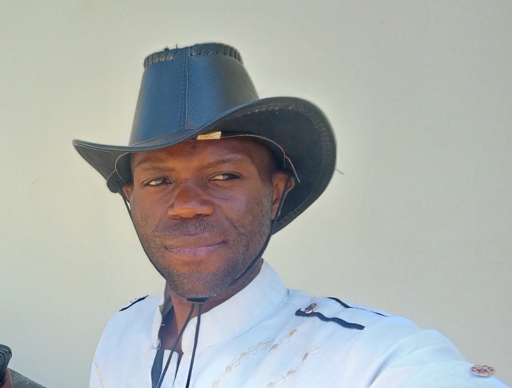
BUTEMBO, Democratic Republic of Congo — In the lush forests of North Kivu, Gangala Yafali Mangusa Jr. leads a forest patrol with members of his community. Together, they monitor human activity, identify threats and prevent damage to biodiversity, such as large-scale logging, unregulated timber harvesting and artisanal mining. “For example, once a month or once a quarter, we conduct inspections to check whether there are people in the community who are illegally hunting [protected] animals,” he explains. In his 30s, Mangusa Jr. leads the local management committee in the Bamasobha Local Community Forest Concession (CFCL), located in Lubero, a region threatened by terrorist attacks in eastern Democratic Republic of Congo. Composed of Indigenous Batwa, Bapiri and local communities, Mangusa Jr.’s team works together to protect this community forest, promote sustainable management of natural resources and strengthen coexistence between communities and the ecosystems on which they depend. According to him, this commitment is rooted in a personal history marked by tensions and, at times, violence experienced around the Maiko National Park — a sprawling park protecting endemic species such as eastern lowland gorillas, okapi, chimpanzees and forest elephants — after the 1970s. Aerial view of forest and river in North Kivu, Democratic Republic of Congo. Image by MONUSCO/Myriam Asmani via Wikimedia Commons (CC BY-SA 2.0). He recounts that, when the park was established, his family, like so many others, faced park rangers for several years who had been sent to enforce the new park boundaries, particularly in the Batike settlement, within…This article was originally published on Mongabay
From Conservation news via This RSS Feed.