

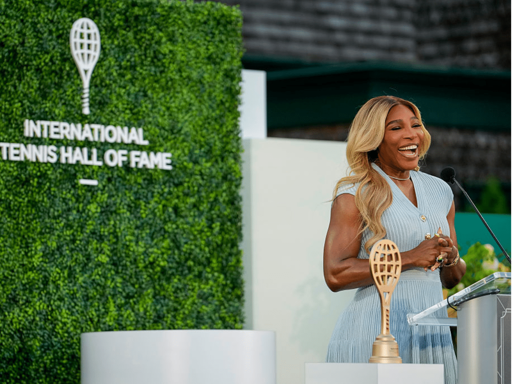

Serena Williams is coming back to tennis. At 44 years old, the 23-time Grand Slam champion has entered the field for the grass court warm-up at the Queen’s Club and is expected to follow that with a tilt at Wimbledon this summer.
This is not a nostalgic exhibition: it’s a full competitive return to the professional tour.
Why Queen’s and why now for Serena Williams?
Grass has always been Serena’s stage. The surface produced some of her most defining moments and Queen’s offers a familiar, lower-pressure reintroduction before the biggest fortnight of the year. The move is pragmatic, a week to shake off match rust, test movement and timing, and remind the tour what a Williams comeback looks like in real time.
Serena’s last competitive singles match came at the 2022 US Open, where she lost in the third round. After that season she framed her exit as “evolving away” from the sport rather than a formal retirement. She later focused on family life, including the birth of her second daughter, Adira.
In December she even pushed back on comeback rumours publicly, but registration with the sport’s testing body signalled a different plan.
Returning players must re-enter the anti-doping testing pool and be available for testing for a set period before they can compete. Serena’s registration with the International Tennis Integrity Agency set that process in motion and made her eligibility for competitive events possible. That administrative step is often the clearest early indicator that a comeback is serious.
This isn’t the first Williams comeback in the family. Venus returned to singles action in her mid-40s and played at the 2025 US Open, becoming the oldest singles competitor at a Grand Slam in decades.
The sisters have long spoken about the pull of the tour and the unique chemistry they bring as a doubles pair, a reminder that Serena’s return carries both personal and historical weight.
What to expect from the tennis icon
Expect a measured, intelligent Serena rather than the all-out power player of her early years. Time and motherhood have reshaped her game: smarter shot selection, surgical serving when it matters, and a court sense that can still tilt matches.
Fitness and movement will be the headline questions. After such a long break, can she sustain the intensity across best-of-three matches and the grind of a Grand Slam fortnight? If the Queen’s week goes well, Wimbledon will be the true test.
This return is about more than trophies. Serena’s legacy is already cemented with 23 majors, a career that reshaped women’s tennis and sport culture. Yet still the competitive itch and the record books still matter.
A successful run at Wimbledon would rewrite headlines and reframe the late-career narrative for elite athletes across sports. For the tour, her presence is a ratings and story boon. For opponents, it’s a high-profile challenge that demands peak preparation.
What does this means for tennis?
Beyond results, Serena’s comeback will ripple through tennis via ticket sales, broadcast interest and the morale of younger players who grew up watching her.
It also raises questions about longevity in elite sport and how athletes manage comebacks in an era of advanced sports science. Whether she chases one more Slam or simply wants to compete again, the return will be a cultural moment as much as a sporting one.
Serena’s comeback reads like a movie beat: the champion returns, older and wiser, to test herself where she’s been greatest. The tennis world will be watching every serve, sprint and set.
If Queen’s is a success, Wimbledon will be the stage where history either adds a new chapter or offers a graceful, competitive curtain call.
Featured image via Joe Buglewicz/Getty Images for International Tennis Hall of Fame
By Faz Ali
From Canary via This RSS Feed.