

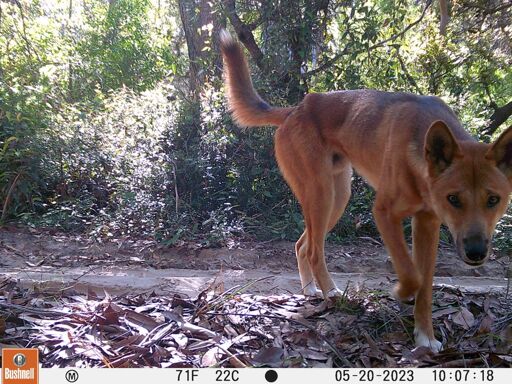
Wildlife monitoring in Australia could get a boost from a new platform that uses AI and computer vision to speed up the processing of millions of camera trap images being collected across the country. The national initiative named the Wildlife Observatory of Australia (WildObs) is a way to collect, store and share camera trap data at scale, while improving collaboration between scientists, governments and environmental groups, according to the WildObs website. The platform is being developed by researchers at the University of Queensland (UQ), with backing from the Australian Research Data Commons, Queensland Cyber Infrastructure Foundation and the Terrestrial Ecosystem Research Network. Camera traps are commonly used to monitor wildlife globally: they’re easy to set up and can be left at locations for long periods, providing an invaluable window into the natural world. Across Australia, thousands of projects collect millions of images, Matthew Luskin, associate professor at the UQ School of the Environment and director of WildObs, said in a statement. However, processing the images and identifying species takes time, money and computing power. WildOBS plans to speed it up. “In conservation, timing matters and detecting problems early can mean the difference between recovery and extinction,” Luskin said. WildObs requires users of the platform to upload images, which get stored and processed in the cloud. The platform’s models have been trained specifically to identify species found in Australia and can help track biodiversity trends, monitor invasive species and identify conservation priorities, according to the UQ statement. “In one collaborative space,…This article was originally published on Mongabay
From Conservation news via This RSS Feed.